


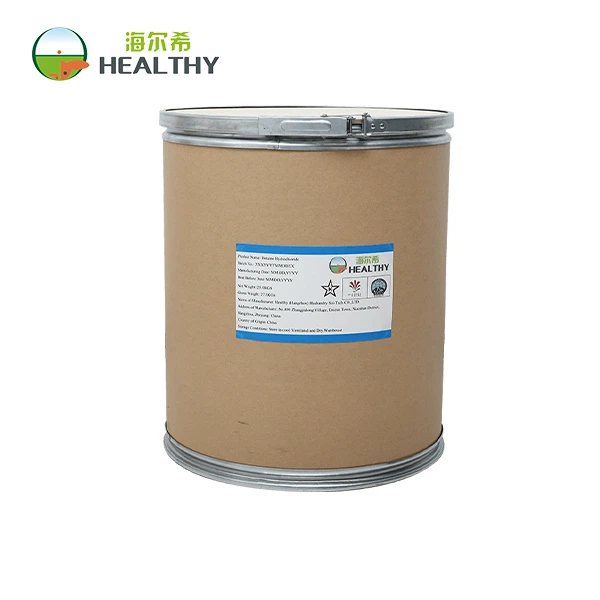
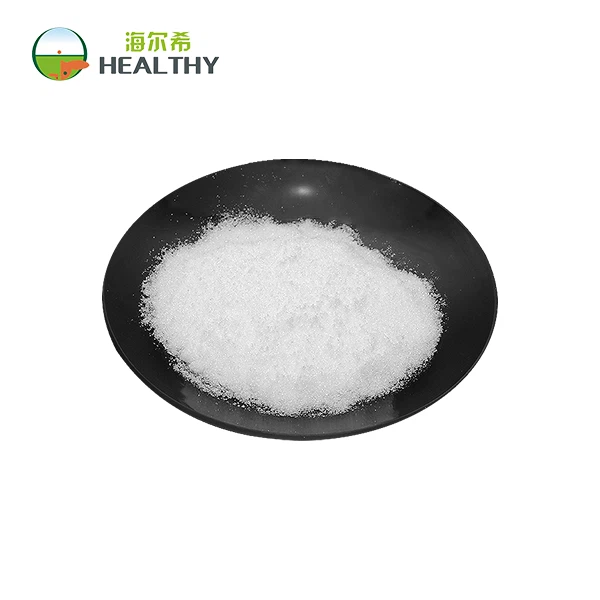
Betaine Citrate
Betaine citrate is a naturally occurring choline derivative that helps regulate cell function and hydration. It also acts as a methyl group donor and is involved in the body's metabolic cycle of methionine.
Why Choose Us
Production Facilities
Healthy boasts state-of-the-art, fully automated production facilities for high-quality products.
Technical Team
With a focus on research and development, the company houses a nationally recognized technology team.
Product Range
Its product range caters to a diverse set of industries, including feed, agriculture, and food, among others.
Exporting Country
Having achieved a global reach, Healthy has established itself as a key player in over 70 countries.
Betaine citrate, also known as trimethylglycine citrate, is a versatile food additive and pharmaceutical ingredient. It occupies an important position in the food industry and medicine due to its unique chemical properties and wide range of applications.
One of the main uses of betaine citrate in the food industry is as a souring agent. It can provide a refreshing sour taste to food, enhance the flavor of food, and make it more delicious. In addition, citrate betaine also has good preservative properties, which can effectively inhibit the growth of microorganisms and extend the shelf life of food. This makes it an ideal additive for carbonated drinks, juices, yogurt, canned foods and many other foods.
In the pharmaceutical industry, citrate betaine is also widely used. It can be used as a stabilizer for drugs to improve the stability of drugs and make them less likely to degrade during storage and transportation. In addition, citrate betaine can also promote the absorption and transportation of drugs, allowing the drugs to reach the areas that need treatment faster and more effectively, improving the therapeutic effect.
In addition to its applications in the food and pharmaceutical fields, betaine citrate also plays an important role in the cosmetics industry. It acts as an effective moisturizer and antioxidant, helping to protect skin from free radical damage, delaying skin aging and keeping skin young and healthy.
Application of Betaine Citrate
Trimethylglycine citrate is a versatile compound that offers numerous health benefits and finds extensive use in medical treatments. Let's explore its applications in addressing various health concerns:
Gastrointestinal Well-being: Trimethylglycine citrate aids in optimizing stomach acidity, thereby enhancing digestion. It benefits individuals with excessive or insufficient stomach acid by facilitating the breakdown of food and enhancing the absorption of nutrients and minerals. It promotes overall gastrointestinal health by assisting in the regulation of the body's production of digestive acids and enzymes.
Hepatic Health: Trimethylglycine citrate supports liver regeneration and detoxification. It facilitates the liver's metabolic functions by maintaining the balance of water and ions within cells, thereby promoting liver health.
Colon Well-being: The compound's ability to inhibit the growth of non-malignant tumors in the colon makes it a valuable addition to treatments aimed at maintaining colon health. By fostering a healthy environment within the colon, trimethylglycine citrate can help reduce the risk of colon-related ailments, such as polyps and inflammatory bowel disease.
Osmotic Balance and Hydration: Trimethylglycine citrate interacts with water molecules to maintain the turgor pressure of cells, ensuring that osmotic pressure variations are avoided. This helps maintain the water and ion balance within cells, reducing the risks of dehydration and electrolyte imbalances.
Immune System Support: Trimethylglycine citrate strengthens the immune system, enhancing the body's defense mechanisms against various infections and diseases. It supports the production of immune cells and antibodies, improving the body's ability to combat pathogens.
Physical Strength and Endurance: Trimethylglycine citrate can be used to augment physical strength and endurance, making it popular among athletes and individuals seeking to enhance their exercise performance. By optimizing energy metabolism and reducing the production of lactic acid, it delays the onset of fatigue.
Renal Health: By maintaining the water and ion balance inside kidney cells, trimethylglycine citrate safeguards the kidneys. This reduces the risk of renal disorders by assisting the kidneys in their function of filtering waste materials and excess fluid from the circulation.
Vitamin Effectiveness: Trimethylglycine citrate helps the body absorb and utilize vitamins more efficiently, ensuring that vitamins ingested orally or through dietary supplements have the greatest possible impact on health.
Trimethylglycine citrate boasts a myriad of health benefits, including boosting immunity, maintaining osmotic balance, increasing physical endurance and strength, supporting liver and kidney function, and maximizing vitamin effectiveness. Its diverse role in healthcare makes it a significant molecule for medicinal applications, enhancing the quality of life for individuals with specific health conditions and contributing to overall well-being.
Betaine citrate, an increasingly prevalent topic in discussions of nutritional supplements, deserves exploration and comprehension in order to fully understand its potential benefits, particularly in relation to intestinal health. This compound, a combination of betaine and citric acid, is known for its role in various biological processes, including fat metabolism, detoxification, and cellular regeneration. The biological roles of betaine citrate align it with the potential to contribute to overall health and wellness, with a significant emphasis on the health of the gastrointestinal system.
The significance of intestinal health cannot be overstated, as it plays a foundational role in overall human health. It influences the absorption of nutrients, regulates the immune system, and hosts a complex community of beneficial microorganisms, also known as the gut microbiota. Therefore, compounds such as betaine citrate that might support intestinal health are of substantial interest.
The Biochemistry Behind Betaine Citrate
Citrate de betaine lemon is a choline derivative, with choline being an essential nutrient involved in many physiological processes including nerve function, muscle movement, and maintaining structural integrity of cell membranes. As a choline derivative, betaine is involved in the process of methylation, a critical biochemical process that facilitates a wide array of vital functions including DNA synthesis and repair, protein production, and detoxification, to name a few.
In the context of digestive health, betaine acts as an osmolyte, which means it helps maintain cell volume and fluid balance. This is crucial in the intestines, where cells are frequently subjected to changes in fluid balance due to variations in the composition of the gut content. The citrate component of betaine citrate contributes to the compound's potential health benefits by promoting energy production and alkalizing the body, which can help balance the body's pH level.
Benefits of Betaine Citrate for the Intestines
The unique biochemistry of betaine citrate paves the way for its potential benefits to the intestines. These benefits range from the regulation of intestinal flora to the maintenance of the intestinal barrier, playing a substantial role in digestive health.
Regulation of Intestinal Flora
Betaine citrate can contribute to the regulation of the intestinal flora, also known as the gut microbiome. The gut microbiome consists of a diverse collection of bacteria, viruses, fungi, and other microscopic organisms that are instrumental in supporting digestion, producing vitamins, and regulating the immune system. Betaine citrate can contribute to the healthy balance of these organisms, fostering a gut environment that supports beneficial bacteria and inhibits the overgrowth of potentially harmful microorganisms.
Supporting Digestive Health
As an osmolyte, betaine citrate also helps maintain the health of the intestinal cells themselves, which can subsequently enhance overall digestive health. It assists in maintaining the fluid balance within these cells, thereby helping to ensure their proper function and integrity. This aids digestion and nutrient absorption, underlining the significant role of betaine citrate in promoting optimal gastrointestinal function.
Helping Maintain Intestinal Barrier
The intestinal barrier, a multi-layered system consisting of the gut mucosa and the cells lining the intestines, serves to regulate the passage of substances from the intestines into the rest of the body. Betaine citrate can aid in maintaining the integrity of this barrier by supporting the health of the cells that constitute it, hence potentially reducing the risk of conditions such as leaky gut syndrome, where undigested food particles, toxic waste products, and bacteria can pass through the intestinal wall and into the bloodstream.
Scientific Evidence Supporting Betaine Citrate's Benefits
Scientific research supporting the potential benefits of betaine citrate for the intestines is growing. Experimental studies have indicated that betaine can help modify the gut microbiota in a beneficial manner, improving gut health and function. Moreover, clinical trials have demonstrated its effectiveness in supporting digestion and maintaining the integrity of the intestinal barrier. However, while the research is promising, more extensive studies are needed to fully elucidate the potential benefits and mechanisms of action of betaine citrate.
Usage Guidelines for Betaine Citrate
Given the potential benefits and risks of betaine citrate, usage guidelines are crucial for safe and effective supplementation. The dosage may vary based on individual health needs, with typical doses ranging from 500 to 2,000 mg per day. It is generally recommended to start with a lower dose and gradually increase as tolerated.
Betaine citrate should ideally be taken with meals to optimize its digestive benefits. Additionally, since it may interact with other medications and supplements, users should discuss their full supplement regimen with a healthcare provider before starting betaine citrate.
Betaine is a nutritional element found in many foods, belonging to alkaline substances and possessing significant water absorption properties. It is also known as a vegetable or glycine trimethylamine salt and is a common seasoning in food production and processing. Betaine can also be used as medicine and has excellent medicinal value. So, in which plants does betaine exist? What is the effect of betaine? Let's talk about it now:
Beet
Beets contain protein, sugar, vitamin B1, niacin, folate, as well as elements such as phosphorus, iron, calcium, aluminum, iodine, and betaine. The roots and leaves of sugar beets are rich in betaine, which has various biological activities and is an effective regulator of metabolism. It can promote the absorption of protein in the human body, especially in protecting the liver, and has a prominent anti fatty liver effect. It also has the same biochemical functions as alkali and methionine. Experiments have shown that foods lacking alkali or methionine not only have carcinogenic effects on themselves, but also promote the carcinogenic effects of other carcinogens. Therefore, frequent consumption of sugar beets is beneficial for preventing liver cancer and can also be used as an adjunct for diseases such as liver hardening, liver coma, and liver cancer.
Goji berry leaves
Goji berry leaves contain betaine and goji berry leaf protein, which have a special effect on clearing toxins accumulated in the liver. Their ability to alleviate liver toxins is more than 50 times that of ordinary goji berry fruits. Using goji berries to make soup and adding pig liver or lean meat can relieve fatigue and effectively protect the eyes. Eating more goji berries in summer can help clear heat and reduce heat.
Our Factory
HEALTHY was founded in 1996. Headquartered in Xiaoshan District, Hangzhou City, Zhejiang Province, the company has a modernized garden-style production base with fully enclosed, automated and continuous production. The company has nearly 300 employees, of which more than 40% are college degree or above, and has a nationally recognized organic synthesis technology research and development team. The company has established Hangzhou High-tech R&D Center and Hangzhou Enterprise Expert Workstation, and become the cooperation base of Tongji University, Zhejiang University, Jiangnan University and other famous high-level universities.


FAQ
We're professional betaine citrate manufacturers and suppliers in China, specialized in providing high quality customization service for vendors and business partners. We warmly welcome you to wholesale high-grade betaine citrate from our factory.