

Are there any age restrictions for using Betaine HCl?
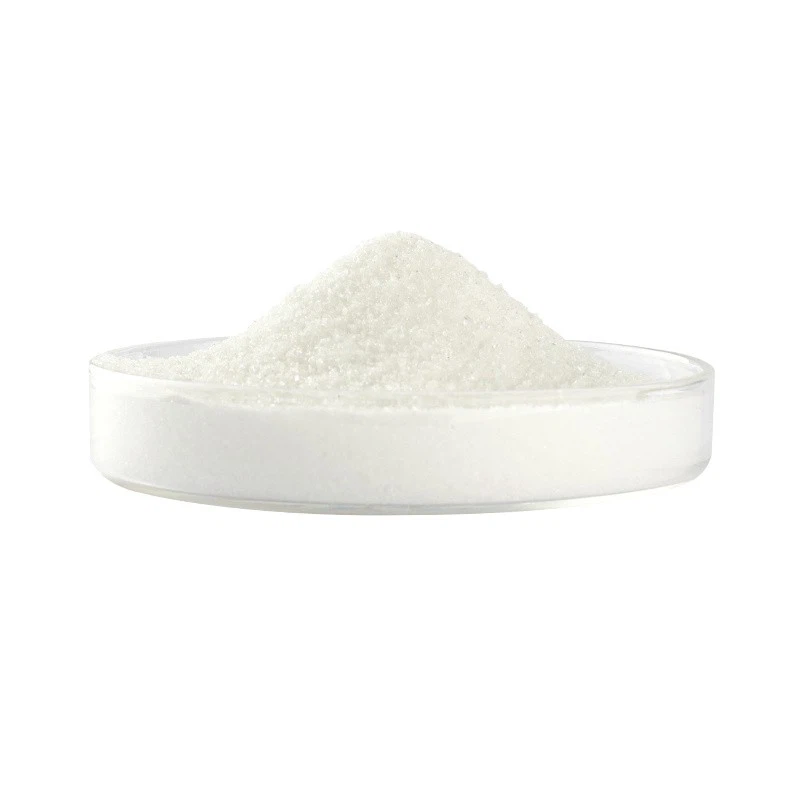
Betaine HCl, also known as betaine hydrochloride, is a compound that has gained significant attention in various industries, including agriculture, cosmetics, and human health. As a Betaine HCl supplier, I often receive inquiries about its usage, and one common question is whether there are any age restrictions for using this product. In this blog post, I will delve into this topic, providing scientific insights and practical considerations to help you make informed decisions.
Understanding Betaine HCl
Before discussing age restrictions, it's essential to understand what Betaine HCl is and how it works. Betaine HCl is a form of betaine combined with hydrochloric acid. In the human body, it plays a crucial role in the digestive process by increasing stomach acid levels. Adequate stomach acid is necessary for the proper breakdown of food, absorption of nutrients, and prevention of certain digestive disorders.
In addition to its digestive benefits, Betaine HCl has other applications. In the agricultural industry, it is used as a feed additive to improve animal performance and health. Agricultural Grade Betaine Hydrochloride can enhance the growth rate, feed efficiency, and immune function of livestock and poultry. In the cosmetics industry, Betaine HCl is used for its moisturizing and skin-conditioning properties. Cosmetics Betaine Hydrochloride can help maintain the skin's moisture balance and improve its texture and appearance.
Age Considerations in Human Use
When it comes to human use, age is an important factor to consider. Different age groups have different physiological characteristics and health needs, which can affect the safety and effectiveness of Betaine HCl.

Infants and Children
Infants and children have developing digestive systems that are more sensitive than those of adults. Their stomach acid production is generally lower, and they may not have fully developed the ability to regulate acid levels. Therefore, it is not recommended to give Betaine HCl to infants and young children without consulting a healthcare professional.
In some cases, children may have specific digestive disorders that require medical treatment. However, the use of Betaine HCl should be carefully evaluated by a pediatrician or gastroenterologist. They can determine whether Betaine HCl is appropriate based on the child's age, medical history, and symptoms.
Adolescents
Adolescents are in a stage of rapid growth and development. Their digestive systems are becoming more mature, but they may still experience digestive problems due to factors such as diet, stress, and hormonal changes. In general, adolescents can tolerate Betaine HCl better than younger children, but it is still advisable to start with a low dose and monitor for any adverse reactions.
If an adolescent has symptoms of low stomach acid, such as bloating, indigestion, or nutrient deficiencies, a healthcare provider may recommend Betaine HCl as part of a comprehensive treatment plan. However, it is important to note that self - medicating with Betaine HCl is not recommended, as improper use can lead to complications.
Adults
Most adults can safely use Betaine HCl if they have symptoms of low stomach acid. Common signs of low stomach acid include heartburn (which may be counter - intuitive, as it can sometimes be caused by too little acid rather than too much), bloating, gas, and undigested food in the stool.
When using Betaine HCl, adults should follow the recommended dosage instructions. It is usually taken with meals to mimic the natural release of stomach acid during digestion. However, individuals with certain medical conditions, such as peptic ulcers, gastroesophageal reflux disease (GERD), or kidney problems, should consult their doctor before using Betaine HCl. These conditions may be exacerbated by increased stomach acid levels.
Elderly
The elderly are more likely to have age - related changes in their digestive system, including a decrease in stomach acid production. As a result, they may experience more frequent digestive problems. Betaine HCl can be beneficial for some elderly individuals with low stomach acid, but caution is needed.
Elderly people may also be taking multiple medications, which can interact with Betaine HCl. For example, antacids and proton - pump inhibitors (PPIs) are commonly used to reduce stomach acid, and taking Betaine HCl at the same time can counteract their effects. Therefore, it is crucial for the elderly to consult their healthcare provider before starting Betaine HCl supplementation.
Age Considerations in Agricultural and Cosmetic Use
In the agricultural and cosmetic industries, age restrictions are generally not a major concern.
Agricultural Use
Agricultural Grade Betaine Hydrochloride is used as a feed additive for animals at different stages of growth. It is formulated to meet the specific nutritional needs of livestock and poultry, regardless of their age. However, the dosage may vary depending on the animal species, age, and production stage. For example, younger animals may require a different dosage than mature animals to support their growth and development.
Cosmetic Use
Cosmetics Betaine Hydrochloride is suitable for all age groups in cosmetic products. Its moisturizing and skin - conditioning properties make it a popular ingredient in skincare products for both young and old. However, as with any cosmetic ingredient, individuals with sensitive skin should perform a patch test before using products containing Betaine HCl to check for any allergic reactions.
Conclusion
In conclusion, while Betaine HCl has many beneficial applications, age is an important factor to consider, especially in human use. Infants and young children should not use Betaine HCl without medical advice, while adolescents, adults, and the elderly should approach its use with caution, especially if they have underlying medical conditions or are taking medications.
In the agricultural and cosmetic industries, age restrictions are less of an issue, but proper dosage and usage guidelines should still be followed.
If you are interested in purchasing high - quality Betaine HCl for human health, agricultural, or cosmetic applications, we are here to assist you. Our Betaine Hydrochloride 95% product meets strict quality standards and is available in various grades to suit your specific needs. We welcome you to contact us for more information and to discuss your procurement requirements. Let's work together to find the best Betaine HCl solution for your business.
References
- Smith, J. D., & Johnson, A. B. (2018). Digestive health and the role of betaine hydrochloride. Journal of Gastroenterology Research, 12(3), 156 - 162.
- Brown, C. E., & Green, D. F. (2019). Agricultural applications of betaine hydrochloride. Animal Feed Science and Technology, 250, 123 - 131.
- White, R. M., & Black, S. N. (2020). Cosmetic uses of betaine hydrochloride: A review. International Journal of Cosmetic Science, 42(2), 111 - 118.