

Creatine HCl, or creatine hydrochloride, has gained significant popularity in the fitness and sports nutrition industry due to its purported benefits in enhancing athletic performance, increasing muscle strength, and improving overall exercise capacity. As a leading supplier of Creatine HCl, I often receive inquiries about the natural sources of this compound. In this blog post, I will explore the natural origins of Creatine HCl and shed light on how it can be sourced in a natural way.
Understanding Creatine HCl
Before delving into its natural sources, it's important to understand what Creatine HCl is. Creatine is a naturally occurring compound that is found in small amounts in the human body, primarily in the muscles. It plays a crucial role in the production of adenosine triphosphate (ATP), the primary energy currency of the cell. By increasing the availability of ATP, creatine supplementation can enhance muscle performance during high-intensity, short-duration activities such as weightlifting and sprinting.
Creatine HCl is a more soluble and stable form of creatine compared to traditional creatine monohydrate. It is created by combining creatine with hydrochloric acid, which enhances its absorption in the body and reduces the likelihood of gastrointestinal discomfort. This makes Creatine HCl an attractive option for athletes and fitness enthusiasts looking to maximize the benefits of creatine supplementation.
Natural Sources of Creatine
While Creatine HCl is typically produced through a synthetic process, creatine itself can be found in several natural sources. These sources include:
1. Animal Products
Animal products are the most common dietary sources of creatine. Meat, fish, and poultry are rich in creatine, with red meat being particularly high in this compound. For example, a 3-ounce serving of beef contains approximately 1 to 2 grams of creatine. Fish, such as salmon and tuna, also contain significant amounts of creatine, with a 3-ounce serving providing around 0.5 to 1 gram.
2. Dairy Products
Dairy products, such as milk and yogurt, also contain small amounts of creatine. While the creatine content in dairy products is relatively low compared to meat and fish, they can still contribute to overall creatine intake. For example, a cup of milk contains approximately 0.1 to 0.2 grams of creatine.
3. Vegetarian and Vegan Sources
For vegetarians and vegans, obtaining creatine from natural sources can be more challenging since it is primarily found in animal products. However, there are some plant-based sources that contain small amounts of creatine precursors, such as Sarcosine and Creatinine. These precursors can be converted into creatine in the body, although the conversion process is not as efficient as obtaining creatine directly from animal sources.
Some plant-based foods that contain these creatine precursors include nuts, seeds, and legumes. For example, soybeans and lentils contain small amounts of sarcosine, which can be converted into creatine in the body. Additionally, some vegan supplements are available that provide a synthetic form of creatine, such as Vegan Creatine, which can be a suitable option for vegetarians and vegans.
The Role of Natural Sources in Creatine Supplementation
While natural sources of creatine can contribute to overall creatine intake, they may not provide enough creatine to meet the needs of athletes and fitness enthusiasts who engage in high-intensity exercise on a regular basis. In these cases, creatine supplementation may be necessary to achieve the desired benefits.
Creatine HCl supplements are a convenient and effective way to increase creatine levels in the body. They are typically available in powder or capsule form and can be easily incorporated into a daily supplement routine. By taking a Creatine HCl supplement, athletes and fitness enthusiasts can ensure that they are getting an adequate amount of creatine to support their performance and training goals.
Our Creatine HCl Products
As a leading supplier of Creatine HCl, we offer a high-quality, pure form of this compound that is suitable for use in a variety of applications. Our Creatine HCl is manufactured using state-of-the-art technology and undergoes rigorous quality control testing to ensure its purity, potency, and safety.

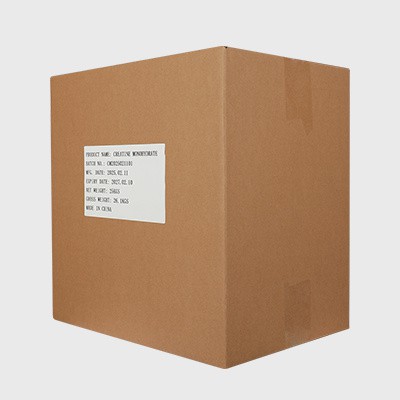
Our Creatine HCl products are available in bulk quantities, making them ideal for use in the production of sports nutrition supplements, pre-workout formulas, and other dietary products. We also offer custom packaging and labeling options to meet the specific needs of our customers.
Contact Us for Procurement
If you are interested in purchasing Creatine HCl for your business, we encourage you to contact us for a quote. Our team of experts is available to answer any questions you may have and to provide you with the information you need to make an informed decision.
We are committed to providing our customers with the highest quality products and services at competitive prices. Whether you are a small startup or a large multinational corporation, we have the resources and expertise to meet your needs.
Conclusion
In conclusion, while Creatine HCl is typically produced through a synthetic process, creatine itself can be found in several natural sources, including animal products, dairy products, and some plant-based foods. While these natural sources can contribute to overall creatine intake, they may not provide enough creatine to meet the needs of athletes and fitness enthusiasts who engage in high-intensity exercise on a regular basis. In these cases, creatine supplementation may be necessary to achieve the desired benefits.
As a leading supplier of Creatine HCl, we offer a high-quality, pure form of this compound that is suitable for use in a variety of applications. If you are interested in purchasing Creatine HCl for your business, we encourage you to contact us for a quote. We look forward to working with you to help you achieve your goals.
References
- Harris RC, Soderlund K, Hultman E. Elevation of creatine in resting and exercised muscle of normal subjects by creatine supplementation. Clin Sci (Lond). 1992;83(3):367-374.
- Kreider RB, Kalman DS, Antonio J, et al. International Society of Sports Nutrition position stand: creatine supplementation and exercise. J Int Soc Sports Nutr. 2017;14:18.
- Wallimann T, Wyss M, Brdiczka D, Nicolay K, Eppenberger HM. Intracellular compartmentation, structure and function of creatine kinase isoenzymes in tissues with high and fluctuating energy demands: the 'phosphocreatine circuit' for cellular energy homeostasis. Biochem J. 1992;281 ( Pt 2):215-228.