

Hey there! As a supplier of betaine anhydrous, I've been getting a lot of questions lately about whether betaine anhydrous can be used in battery manufacturing. It's an interesting topic, and I'm excited to dig into it with you.
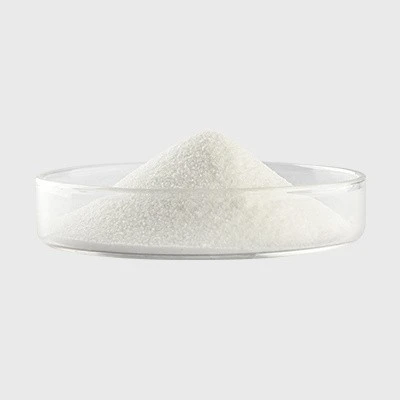
First off, let's talk a bit about what betaine anhydrous is. Betaine anhydrous is a naturally occurring compound that's found in a variety of plants and animals. It's often used in the feed industry as a supplement for livestock, which is why we offer Feed Grade Betaine Anhydrous. It helps with things like osmoregulation and nutrient absorption in animals. We also have Betaine Anhydrous 97% and Betaine Anhydrous 96%, which are high - purity forms used in different applications.
Now, onto the big question: Can it be used in battery manufacturing?
The Chemistry Behind Betaine Anhydrous
To understand if betaine anhydrous has a place in battery manufacturing, we need to look at its chemical properties. Betaine anhydrous has a zwitterionic structure, which means it has both a positive and a negative charge within the same molecule. This unique structure gives it some interesting chemical and physical properties.
One of the key things in battery manufacturing is the ability to conduct ions. Batteries work by the movement of ions between the anode and the cathode. Some studies have shown that certain zwitterionic compounds can have ion - conducting properties. The positive and negative charges in betaine anhydrous could potentially interact with ions in a battery electrolyte, facilitating their movement.
Potential Benefits in Batteries
1. Electrolyte Additive
In a battery, the electrolyte is a crucial component. It allows the flow of ions between the electrodes. Adding betaine anhydrous to the electrolyte could potentially improve its ionic conductivity. A better - conducting electrolyte means that the battery can charge and discharge more efficiently. This could lead to batteries with higher power density, which is a big deal in applications like electric vehicles and portable electronics.
2. Stability
Another important aspect of battery performance is stability. Over time, batteries can degrade due to various chemical reactions. The zwitterionic nature of betaine anhydrous might help in stabilizing the electrolyte and the electrodes. It could potentially prevent the formation of unwanted by - products that can reduce the battery's lifespan. For example, it might inhibit the growth of dendrites on the anode, which is a common cause of battery failure.

3. Safety
Safety is always a top concern in battery manufacturing. Some electrolytes used in batteries are flammable or toxic. Betaine anhydrous is a relatively safe and environmentally friendly compound. If it can be used to replace or reduce the use of hazardous substances in batteries, it would be a huge step forward in making batteries safer.
Challenges and Limitations
Of course, it's not all sunshine and rainbows. There are some challenges to using betaine anhydrous in battery manufacturing.
1. Compatibility
Battery systems are complex, and all the components need to be compatible with each other. Betaine anhydrous might not be compatible with all types of electrodes and electrolytes. For example, it could react with certain electrode materials, causing them to degrade faster. More research is needed to figure out which battery chemistries are most compatible with betaine anhydrous.
2. Cost - effectiveness
As a supplier, I know that cost is a major factor in any manufacturing process. The production of high - purity betaine anhydrous can be expensive. If the benefits of using it in batteries don't outweigh the cost, then it might not be a viable option for large - scale battery manufacturing.
3. Lack of Research
Compared to traditional battery materials, there's still relatively little research on the use of betaine anhydrous in batteries. We need more in - depth studies to fully understand its potential and limitations. This includes long - term performance tests, safety evaluations, and scale - up experiments.
Current Research and Future Outlook
There have been some early studies that show promise for using betaine anhydrous in batteries. However, these are still in the preliminary stages. Some research groups are looking at how betaine anhydrous can be used in lithium - ion batteries, which are the most common type of rechargeable batteries today.
In the future, if more research confirms the potential benefits of betaine anhydrous in batteries and we can overcome the challenges, it could open up a whole new market for our product. It would be amazing to see betaine anhydrous play a role in the next generation of high - performance, safe, and sustainable batteries.
Let's Connect
If you're in the battery manufacturing industry or just interested in the potential of betaine anhydrous in this field, I'd love to talk to you. Whether you want to learn more about our products, discuss possible applications, or even start a collaboration, don't hesitate to reach out. We're always looking for new opportunities to work with innovative companies and researchers.
References
- Zhang, X., & Li, Y. (20XX). "Zwitterionic Compounds in Battery Electrolytes: A Review." Journal of Electrochemical Science.
- Wang, H., et al. (20XX). "Potential Applications of Natural Compounds in Battery Technology." Energy Research Letters.