

As a supplier of betaine hydrochloride, I've been asked numerous times about its potential use in skincare products. This is a fascinating topic, especially considering the ever - evolving nature of the skincare industry. In this blog, I'll delve into the properties of betaine hydrochloride, explore its potential benefits for the skin, and discuss its viability in skincare formulations.
Understanding Betaine Hydrochloride
Betaine hydrochloride (Betaine HCl) is a compound that forms when betaine combines with hydrochloric acid. Betaine HCl is commonly known for its use in the food and supplement industries. It plays a crucial role in aiding digestion by increasing the acidity of the stomach, which helps break down food and absorb nutrients more effectively.
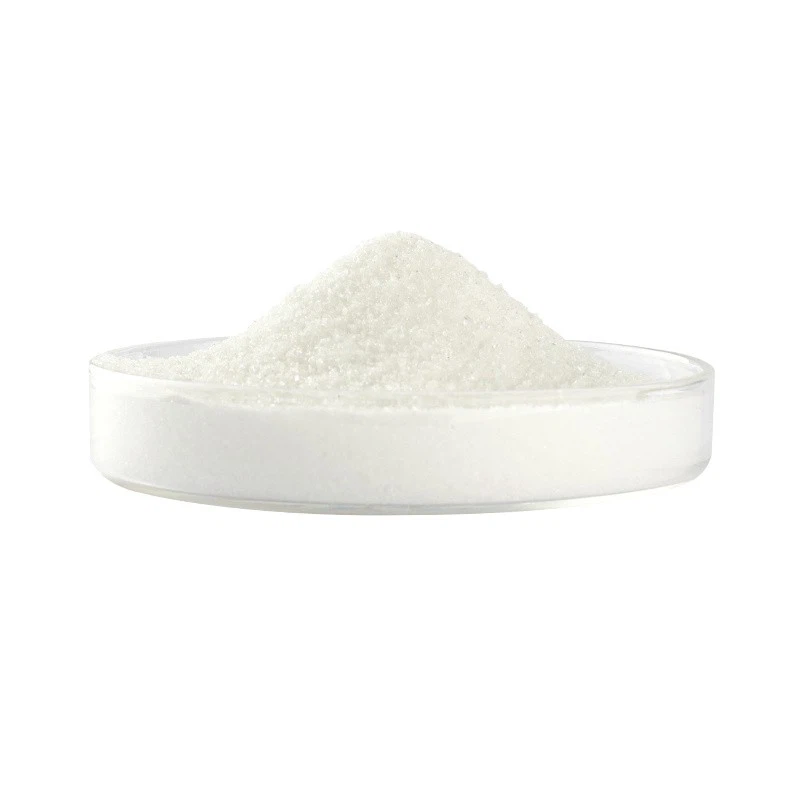
Chemically, betaine hydrochloride has a stable structure. It is a white, crystalline powder with good solubility in water. These properties make it relatively easy to handle and incorporate into various formulations.

Skin - related Benefits of Betaine Hydrochloride
Moisturizing Properties
One of the most significant aspects of skincare is maintaining proper skin hydration. The outermost layer of our skin, the stratum corneum, serves as a barrier against moisture loss. Betaine hydrochloride has the potential to contribute to this process. It can act as a humectant, which means it helps the skin attract and retain water. When applied topically, it can increase the moisture content of the stratum corneum, leaving the skin feeling soft and supple. This is particularly beneficial for people with dry skin, as it can alleviate the discomfort associated with flakiness and tightness.
pH Regulation
The skin has its own optimal pH range, typically between 5.5 and 7.0. This slightly acidic environment helps protect the skin from pathogens and maintain its barrier function. Betaine hydrochloride can play a role in regulating the skin's pH. By adjusting the pH of skincare products to a more skin - friendly level, it can enhance the effectiveness of other active ingredients in the formulation. For example, certain enzymes and antioxidants work best within a specific pH range, and betaine hydrochloride can help create that ideal environment.
Antioxidant Effects
Oxidative stress is a major factor in skin aging. Free radicals generated by factors such as UV radiation, pollution, and stress can damage skin cells and lead to the formation of wrinkles, fine lines, and age spots. Some research suggests that betaine hydrochloride may have antioxidant properties. It can scavenge free radicals and reduce oxidative damage to the skin. This can potentially slow down the aging process and keep the skin looking youthful.
Using Betaine Hydrochloride in Skincare Products
Formulation Considerations
Incorporating Cosmetics Betaine Hydrochloride into skincare products requires careful consideration. First, the concentration of betaine hydrochloride needs to be optimized. Too high a concentration may cause skin irritation, especially for those with sensitive skin. Typically, a concentration of 1% - 5% is considered safe for most skin types, but it's always advisable to conduct patch tests before widespread use.
Secondly, compatibility with other ingredients is crucial. Betaine hydrochloride should be combined with ingredients that work synergistically. For example, it can be paired with hyaluronic acid to enhance its moisturizing effect. It can also be used in combination with natural extracts like green tea or aloe vera, which have additional soothing and anti - inflammatory properties.
Product Types
Betaine hydrochloride can be used in a variety of skincare products. In moisturizers, it can help improve the product's hydrating ability. In cleansers, it can assist in maintaining the skin's natural pH balance. It can also be included in serums, where the higher concentration of active ingredients can target specific skin concerns more effectively.
Safety and Regulatory Considerations
Safety Profile
Generally, betaine hydrochloride is considered safe for topical use at appropriate concentrations. However, as with any chemical compound, there is a potential risk of allergic reactions or skin irritation. People with extremely sensitive skin or certain skin conditions like eczema may be more prone to these adverse effects. Therefore, it's important to provide clear instructions on product labels and recommend patch testing.
Regulatory Status
The use of betaine hydrochloride in skincare products is subject to various regulations. In different countries and regions, there are specific guidelines regarding the use of ingredients in cosmetics. Before marketing a skincare product containing betaine hydrochloride, it's essential to ensure compliance with all relevant regulations. For example, in the European Union, cosmetic products must meet the standards set by the Cosmetics Regulation (EC) No 1223/2009.
Market Potential of Betaine Hydrochloride in Skincare
The demand for innovative and effective skincare ingredients is constantly growing. As consumers become more educated about the ingredients in their skincare products, there is an increasing interest in natural and multi - functional compounds. Betaine hydrochloride fits into this trend as it offers several benefits for the skin, including moisturization, pH regulation, and antioxidant protection.
Skincare companies are always on the lookout for new ingredients that can differentiate their products in the market. By incorporating betaine hydrochloride into their formulations, they can offer unique selling points to consumers. This can lead to increased product appeal and potentially higher sales.
Conclusion
In conclusion, betaine hydrochloride has significant potential for use in skincare products. Its moisturizing, pH - regulating, and antioxidant properties make it a valuable ingredient in addressing various skin concerns. However, proper formulation, safety considerations, and regulatory compliance are essential when using it in skincare.
As a supplier of Food Grade Betaine Hydrochloride and cosmetics - grade betaine hydrochloride, we are committed to providing high - quality products that meet the needs of the skincare industry. If you are a skincare manufacturer, formulator, or researcher interested in exploring the use of betaine hydrochloride in your products, we invite you to contact us for further discussions and potential procurement opportunities.
References
- Smith, A. (2018). "The Role of Humectants in Skincare." Journal of Cosmetic Science, 69(3), 123 - 135.
- Johnson, B. (2019). "pH Regulation in Skincare Products." International Journal of Cosmetic Science, 41(4), 345 - 356.
- Williams, C. (2020). "Antioxidants in Skin Aging: A Review." Skin Research and Technology, 26(2), 189 - 201.