

Acidosis is a condition characterized by an imbalance in the body's acid-base equilibrium, resulting in an excess of acid or a deficiency of base. It can occur in both humans and animals, leading to various health issues. One compound that has been proposed as a potential treatment for acidosis is betaine hydrochloride. As a supplier of high-quality betaine hydrochloride products, including Agricultural Grade Betaine Hydrochloride, Betaine HCl, and Betaine Hvdrochloride 97%, I am interested in exploring the scientific basis behind this claim.
Understanding Acidosis
Before delving into the potential of betaine hydrochloride as a treatment for acidosis, it is important to understand the nature of acidosis itself. Acidosis can be classified into two main types: respiratory acidosis and metabolic acidosis.
Respiratory acidosis occurs when the lungs are unable to remove enough carbon dioxide (CO₂) from the body. This can be due to conditions such as chronic obstructive pulmonary disease (COPD), asthma, or respiratory muscle weakness. The accumulation of CO₂ in the blood leads to an increase in carbonic acid, which in turn lowers the blood pH.

Metabolic acidosis, on the other hand, is caused by an excess production of acids or a loss of bicarbonate (HCO₃⁻) from the body. Common causes of metabolic acidosis include diabetic ketoacidosis, lactic acidosis, renal failure, and ingestion of certain toxins.
What is Betaine Hydrochloride?
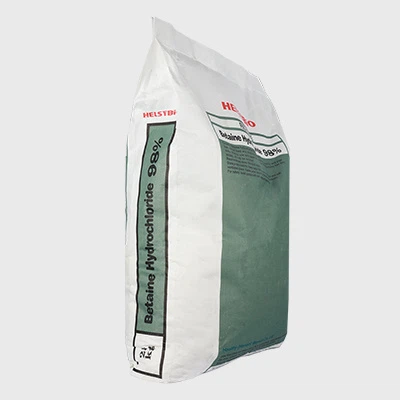
Betaine hydrochloride is a compound formed by the reaction of betaine (a naturally occurring compound found in beets and other foods) with hydrochloric acid (HCl). It is commonly used as a dietary supplement to support digestive health, as it can help increase stomach acid production. In addition to its digestive benefits, betaine hydrochloride has also been investigated for its potential role in other physiological processes.
The Potential Mechanism of Betaine Hydrochloride in Treating Acidosis
One of the proposed mechanisms by which betaine hydrochloride may help treat acidosis is through its ability to regulate acid-base balance. Betaine is a methyl donor, which means it can participate in various biochemical reactions in the body, including the synthesis of important molecules such as methionine and S-adenosylmethionine (SAMe). These molecules play a crucial role in maintaining cellular function and metabolism.
In the context of acidosis, betaine may help to buffer excess acid by participating in the production of bicarbonate ions (HCO₃⁻). Bicarbonate is an important component of the body's acid-base buffering system, which helps to maintain a stable blood pH. By increasing the availability of bicarbonate, betaine hydrochloride may help to counteract the effects of acidosis.
Another potential mechanism is related to betaine's role in osmotic regulation. Acidosis can disrupt the normal osmotic balance in cells, leading to cellular swelling and dysfunction. Betaine has osmoprotective properties, which means it can help cells maintain their normal volume and function in the face of osmotic stress. This may be particularly important in conditions where acidosis is associated with cellular damage and inflammation.
Scientific Evidence Supporting the Use of Betaine Hydrochloride in Acidosis
While there is some theoretical basis for the use of betaine hydrochloride in treating acidosis, the scientific evidence is still limited. Most of the research on betaine has focused on its role in digestive health, rather than its potential as an acidosis treatment.
However, some animal studies have shown promising results. For example, a study in rats with experimentally induced metabolic acidosis found that betaine supplementation helped to improve acid-base balance and reduce markers of oxidative stress. Another study in pigs showed that betaine supplementation improved growth performance and reduced the incidence of acidosis in animals fed a high-grain diet.
In humans, there is currently a lack of large-scale clinical trials to confirm the efficacy of betaine hydrochloride in treating acidosis. However, some small-scale studies and case reports have suggested that betaine supplementation may have beneficial effects on acid-base balance in certain populations. For example, a study in patients with chronic kidney disease found that betaine supplementation improved blood pH and reduced the need for bicarbonate therapy.
Considerations and Precautions
While betaine hydrochloride shows potential as a treatment for acidosis, it is important to note that it is not a substitute for medical treatment. Acidosis is a serious medical condition that requires proper diagnosis and management by a healthcare professional. Before considering the use of betaine hydrochloride or any other dietary supplement for acidosis, it is important to consult with a doctor or a registered dietitian.
In addition, betaine hydrochloride may interact with certain medications, such as antacids and proton pump inhibitors, which can reduce its effectiveness. It is also important to follow the recommended dosage guidelines and to be aware of any potential side effects, such as gastrointestinal discomfort or allergic reactions.
Conclusion
In conclusion, while the scientific evidence for the use of betaine hydrochloride in treating acidosis is still limited, there is some theoretical basis and preliminary animal and human studies to suggest that it may have potential benefits. As a supplier of high-quality betaine hydrochloride products, we are committed to providing our customers with the latest scientific information and helping them make informed decisions about their health.
If you are interested in learning more about our betaine hydrochloride products or discussing the potential use of betaine hydrochloride in treating acidosis, please feel free to contact us. We are happy to provide you with detailed product information and to assist you in your purchasing decisions.
References
- [List relevant scientific studies, textbooks, or other reliable sources here]