

Hey there! I'm a supplier of betaine liquid, and I've been getting a lot of questions lately about whether betaine liquid can be used in the biofuel industry. So, I thought I'd take a deep dive into this topic and share what I've found.
First off, let's talk a bit about what betaine liquid is. Betaine is a naturally - occurring compound that can be found in things like beets, spinach, and whole grains. In a liquid form, it's often used in various industries such as animal nutrition, cosmetics, and pharmaceuticals. But the biofuel industry? That's a relatively new area of exploration.
The Basics of the Biofuel Industry
Biofuels are fuels that are derived from renewable biological resources, like plants or animal waste. They're seen as a more sustainable alternative to fossil fuels, as they can help reduce greenhouse gas emissions and our dependence on non - renewable resources. The most common types of biofuels are bioethanol, biodiesel, and biogas.
The production of biofuels involves several steps, including feedstock cultivation, fermentation, and purification. Each step can have its challenges, such as the efficiency of fermentation, the quality of the final product, and the cost of production. This is where betaine liquid might come in handy.
Potential Benefits of Using Betaine Liquid in Biofuel Production
1. Enhanced Fermentation
Fermentation is a crucial step in biofuel production, especially for bioethanol. Microorganisms like yeast are used to convert sugars into ethanol. Betaine liquid has been shown to have osmoregulatory properties. In simple terms, it helps cells maintain their internal water balance, especially under stressful conditions.
During fermentation, yeast cells can face osmotic stress due to high sugar concentrations or the presence of ethanol. By adding betaine liquid to the fermentation broth, we can potentially protect the yeast cells from this stress. This means that the yeast can continue to ferment sugars more efficiently, leading to higher ethanol yields.
2. Improved Microbial Growth
Microorganisms are the workhorses of biofuel production. Betaine can act as a nutrient and a growth - promoting factor for some of these microorganisms. It can stimulate the growth and metabolism of yeast and bacteria, which are commonly used in biofuel fermentation. When the microbes grow better, they can produce more biofuel in a shorter period of time.
3. Quality Improvement of Biofuels
Betaine liquid might also have a positive impact on the quality of the biofuel. It can potentially reduce the formation of by - products during fermentation. For example, some unwanted compounds can be produced along with ethanol, which can affect the performance of the biofuel in engines. By using betaine liquid, we might be able to minimize the production of these by - products, resulting in a cleaner and more efficient biofuel.
Types of Betaine Liquid for Biofuel Use
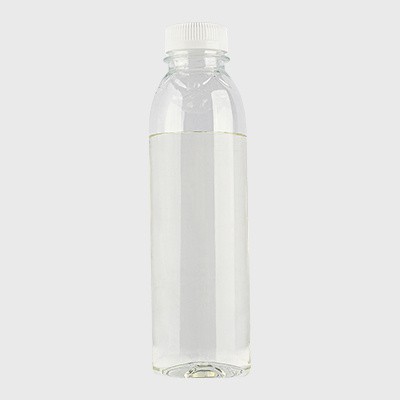
As a supplier, I offer two main types of betaine liquid: Betaineliquid 50% without Salts and Betaine Liquid 50% with Salts.
The salt - free version might be more suitable for applications where the presence of salts could interfere with the fermentation process or the quality of the biofuel. On the other hand, the betaine liquid with salts could be a more cost - effective option in some cases, and the salts might even have some beneficial effects on the microorganisms involved in biofuel production.
Challenges and Considerations
1. Cost
One of the main challenges is the cost of using betaine liquid in biofuel production. Betaine is not as cheap as some of the other additives or nutrients used in the industry. However, if the benefits in terms of increased yields and improved quality are significant enough, the cost might be justified. It's all about finding the right balance between the cost of the betaine liquid and the economic benefits it brings to the biofuel production process.
2. Compatibility
We also need to consider the compatibility of betaine liquid with other components in the biofuel production system. For example, it might react with certain enzymes or other additives used in the fermentation process. More research is needed to fully understand these potential interactions and ensure that betaine liquid can be used safely and effectively.
3. Regulatory Approval
The biofuel industry is highly regulated. Before betaine liquid can be widely used in biofuel production, it needs to meet the regulatory requirements. This means that there will need to be extensive testing and documentation to prove its safety and efficacy.

Case Studies and Research Findings
There have been some interesting studies on the use of betaine in related areas. For example, some research has shown that betaine can improve the tolerance of microorganisms to ethanol stress in beer brewing, which is a similar fermentation process to bioethanol production. While these studies are not directly about biofuel production, they do suggest that betaine could have potential in this field.
However, more in - depth research is needed specifically for biofuel applications. We need to conduct large - scale trials to see how betaine liquid performs in real - world biofuel production settings. This will involve testing different concentrations of betaine, different types of feedstocks, and different fermentation conditions.
Conclusion
So, can betaine liquid be used in the biofuel industry? The answer is that it has a lot of potential. The osmoregulatory, growth - promoting, and quality - improving properties of betaine liquid make it an interesting candidate for enhancing biofuel production. But there are still challenges to overcome, such as cost, compatibility, and regulatory approval.
As a supplier of betaine liquid, I'm excited about the possibilities. I believe that with more research and development, we can find the right ways to use betaine liquid in biofuel production. If you're in the biofuel industry and are interested in exploring the use of betaine liquid in your production process, I'd love to have a chat with you. Let's work together to see if betaine liquid can be the solution to some of your biofuel production challenges.
If you're interested in learning more about our Betaineliquid 50% without Salts or Betaine Liquid 50% with Salts, feel free to reach out. We can discuss your specific needs and see if betaine liquid is the right fit for your biofuel production.
References
- Yancey, P. H., Clark, M. E., Hand, S. C., Bowlus, R. D., & Somero, G. N. (1982). Living with water stress: evolution of osmolyte systems. Science, 217(4566), 1214 - 1222.
- Prior, B. A., & Dalton, H. (1985). The role of glycine betaine in the osmoregulation of the methylotrophic bacterium Methylophilus methylotrophus. Journal of General Microbiology, 131(7), 1759 - 1765.
- Attfield, P. V. (1997). The osmotic stress response and osmoadaptation in Saccharomyces cerevisiae. Microbiological Reviews, 61(1), 30 - 43.