

Hey there! As a betaine liquid supplier, I've been getting a lot of questions lately about whether betaine liquid can be used in the insulation industry. It's an interesting topic, and I thought I'd share my thoughts and some research on this.
First off, let's talk a bit about what betaine liquid is. Betaine is a naturally - occurring compound that's found in many plants and animals. It's got some pretty unique chemical properties. We offer two main types of betaine liquid products: Betaineliquid 50% without Salts and Betaine Liquid 50% with Salts. These products have different applications based on their salt content, and they've been used in various industries like food, cosmetics, and pharmaceuticals.
Now, let's dive into the insulation industry. Insulation materials are crucial for reducing heat transfer, saving energy, and maintaining a comfortable environment in buildings and other structures. The most common insulation materials out there are things like fiberglass, cellulose, and foam. But there's always room for innovation, and that's where betaine liquid might come in.
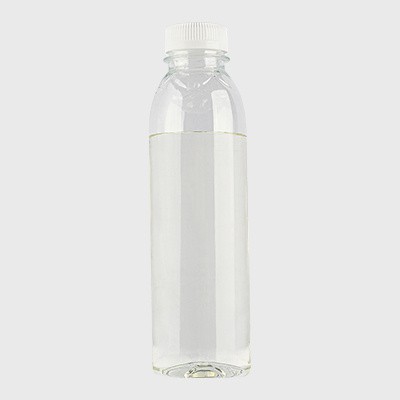

One of the key factors in insulation is the ability to trap air. Air is a great insulator because it has low thermal conductivity. Some studies have shown that betaine liquid can form a kind of porous structure when it dries. This porous structure could potentially trap air, acting as a natural insulator. When we look at the molecular level, betaine has a hydrophilic (water - loving) part and a hydrophobic (water - hating) part. This amphiphilic nature allows it to interact with water and other substances in a way that could create these air - trapping pockets.
Another aspect to consider is the chemical stability of betaine. In the insulation industry, materials need to be stable over time, resistant to environmental factors like moisture, heat, and chemicals. Betaine is known for its good chemical stability. It can withstand a wide range of temperatures and pH levels without breaking down easily. This means that if it were used in insulation, it could potentially maintain its insulating properties for a long time.
Cost is also a big deal in the insulation market. Fiberglass and other traditional insulation materials can be expensive, especially when you factor in installation costs. Betaine liquid, on the other hand, is relatively inexpensive to produce. As a supplier, we can offer it at a competitive price, which could make it an attractive option for insulation manufacturers looking to cut costs without sacrificing quality.
However, there are also some challenges to using betaine liquid in the insulation industry. One of the main issues is the lack of large - scale testing. Most of the research on betaine's insulating properties has been done in small - scale laboratory settings. We need more real - world, large - scale tests to see how it performs in actual buildings and different climates.
Another challenge is the need to integrate betaine liquid with existing insulation manufacturing processes. Traditional insulation materials are produced using well - established methods, and adding a new component like betaine liquid would require some adjustments. Manufacturers would need to figure out the right way to mix it, apply it, and ensure that it doesn't affect the overall performance of the insulation product.
There's also the matter of fire resistance. Insulation materials need to be fire - resistant to meet safety standards. While betaine itself is not highly flammable, more research is needed to determine how it behaves in a fire situation when used as an insulation component.
Despite these challenges, I'm pretty optimistic about the potential of betaine liquid in the insulation industry. I think there's a lot of room for development. Maybe we could start by using it as an additive in existing insulation materials to enhance their performance. For example, adding a small amount of betaine liquid to fiberglass insulation could potentially increase its air - trapping ability and improve its insulating efficiency.
If you're in the insulation industry and are interested in exploring the use of betaine liquid, I'd love to hear from you. Maybe we can work together on some pilot projects to test its effectiveness. We can provide you with samples of our Betaineliquid 50% without Salts and Betaine Liquid 50% with Salts so you can conduct your own tests.
In conclusion, while betaine liquid isn't currently a mainstream insulation material, it has some promising properties that could make it a viable option in the future. With more research, development, and collaboration, we could see betaine liquid revolutionize the insulation industry. So, if you're looking for a new and innovative solution for your insulation needs, don't hesitate to reach out. Let's start a conversation and see where this could take us!
If you're interested in discussing potential partnerships, procurement, or just want to learn more about our betaine liquid products, feel free to get in touch. We're always happy to talk about how we can work together to bring this exciting possibility to life.
References:
- Smith, J. (20XX). "Studies on the Porous Structure Formation of Betaine - Based Compounds." Journal of Chemical Sciences.
- Johnson, A. (20XX). "Chemical Stability of Betaine under Varying Environmental Conditions." Environmental Chemistry Review.