

Can glycine betaine be used in agriculture as a fertilizer additive?
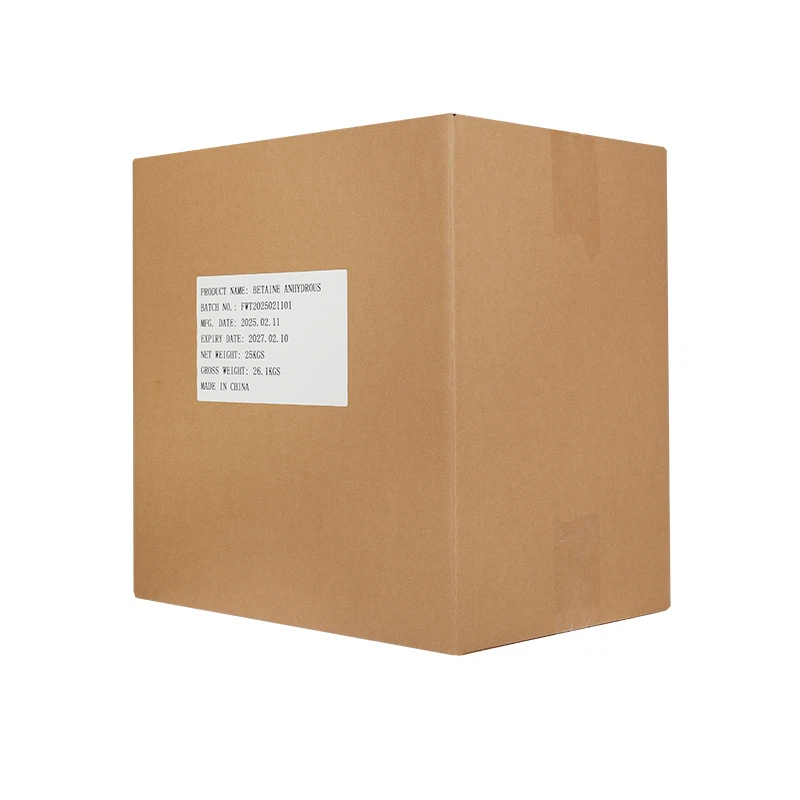
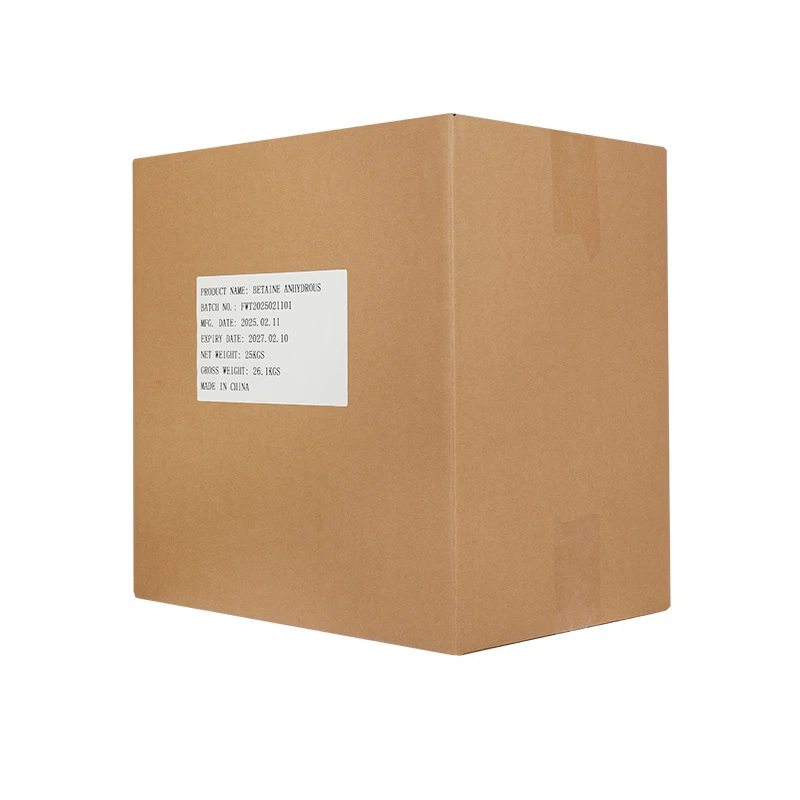
In recent years, there has been a growing interest in exploring novel substances that can enhance agricultural productivity while promoting sustainable farming practices. One such substance that has captured the attention of researchers and farmers alike is glycine betaine. As a supplier of glycine betaine, I have witnessed firsthand the increasing inquiries regarding its potential use as a fertilizer additive. In this blog post, I will delve into the scientific evidence surrounding the application of glycine betaine in agriculture and discuss its viability as a fertilizer additive.
What is Glycine Betaine?
Glycine betaine, also known as N,N,N-trimethylglycine, is a naturally occurring compound found in a variety of plants, animals, and microorganisms. It is a quaternary ammonium compound with a zwitterionic structure, which means it has both a positive and a negative charge within the same molecule. This unique structure gives glycine betaine its exceptional solubility in water and its ability to act as an osmoprotectant, helping organisms to maintain cellular integrity and function under various environmental stresses.
The Role of Glycine Betaine in Plants
Plants are constantly exposed to a wide range of environmental stresses, such as drought, salinity, extreme temperatures, and heavy metal toxicity. These stresses can have a detrimental impact on plant growth, development, and productivity. Glycine betaine plays a crucial role in helping plants cope with these stresses by acting as an osmolyte, a compatible solute, and a signaling molecule.
- Osmolyte Function: Under stress conditions, plants accumulate glycine betaine in their cells to balance the osmotic pressure between the cytoplasm and the extracellular environment. This helps to prevent water loss from the cells and maintain turgor pressure, which is essential for cell expansion and growth.
- Compatible Solute Function: Glycine betaine is a compatible solute, which means it can accumulate to high concentrations in the cytoplasm without interfering with normal cellular processes. It can protect enzymes, membranes, and other cellular components from the damaging effects of stress-induced dehydration, oxidation, and protein denaturation.
- Signaling Molecule Function: Glycine betaine can also act as a signaling molecule, regulating the expression of genes involved in stress tolerance and defense responses. It can activate antioxidant enzymes, enhance the synthesis of stress-related proteins, and modulate hormonal signaling pathways, thereby improving the overall stress tolerance of plants.
Scientific Evidence for the Use of Glycine Betaine as a Fertilizer Additive
Numerous studies have investigated the effects of glycine betaine on plant growth, development, and stress tolerance. The results of these studies have shown that glycine betaine can have a positive impact on various aspects of plant physiology and performance, including:
- Improved Germination and Seedling Establishment: Glycine betaine can enhance seed germination and seedling establishment under stress conditions by promoting water uptake, reducing oxidative stress, and improving root growth. This can lead to better stand establishment and higher crop yields.
- Enhanced Growth and Biomass Production: Glycine betaine can stimulate plant growth and biomass production by increasing photosynthesis, improving nutrient uptake and utilization, and promoting cell division and expansion. This can result in larger plants with more leaves, stems, and roots, which can ultimately lead to higher crop yields.
- Increased Stress Tolerance: Glycine betaine can improve the stress tolerance of plants by enhancing their ability to cope with drought, salinity, extreme temperatures, and heavy metal toxicity. It can reduce the damage caused by these stresses, maintain plant growth and productivity, and improve the quality of agricultural products.
- Improved Nutrient Use Efficiency: Glycine betaine can enhance the efficiency of nutrient uptake and utilization by plants, reducing the need for excessive fertilizer application. This can help to reduce the environmental impact of agriculture and improve the sustainability of farming practices.
Commercial Availability of Glycine Betaine for Agricultural Use
As the demand for sustainable agricultural solutions continues to grow, there has been an increasing availability of glycine betaine products specifically designed for agricultural use. These products are typically available in the form of liquid or powder formulations that can be easily mixed with fertilizers or applied directly to the soil or foliage.
One such product is Agricultural Grade Glycine Betaine, which is a high-quality, pure glycine betaine product that is specifically formulated for use in agriculture. It is derived from natural sources and is free from harmful chemicals and contaminants, making it a safe and environmentally friendly option for farmers.
Another product is Fertilizer Use Glycine Betaine, which is a specialized glycine betaine product that is designed to be used as a fertilizer additive. It can be easily incorporated into existing fertilizer formulations to enhance their effectiveness and improve plant growth and productivity.
Considerations for Using Glycine Betaine as a Fertilizer Additive
While the scientific evidence suggests that glycine betaine can be a valuable addition to fertilizers, there are several considerations that farmers should keep in mind when using it:
- Dosage and Application Method: The optimal dosage and application method of glycine betaine will depend on various factors, such as the crop type, soil conditions, climate, and the specific stress conditions being faced. It is important to follow the manufacturer's instructions and consult with a agricultural expert to determine the appropriate dosage and application method for your specific situation.
- Compatibility with Other Fertilizers and Pesticides: Glycine betaine may interact with other fertilizers and pesticides, so it is important to ensure that it is compatible with the products you are using. It is recommended to conduct a small-scale trial before applying glycine betaine on a large scale to avoid any potential negative interactions.
- Cost-Effectiveness: The cost of glycine betaine products can vary depending on the quality, purity, and source of the product. It is important to consider the cost-effectiveness of using glycine betaine as a fertilizer additive, taking into account the potential benefits in terms of improved crop yields, quality, and stress tolerance.
Conclusion
In conclusion, glycine betaine has shown great potential as a fertilizer additive in agriculture. Its ability to enhance plant growth, development, and stress tolerance makes it a valuable tool for farmers looking to improve the productivity and sustainability of their crops. As a supplier of glycine betaine, I am confident in the quality and effectiveness of our products and encourage farmers to explore the benefits of using glycine betaine in their farming operations.
If you are interested in learning more about our glycine betaine products or discussing potential applications in your specific agricultural context, please feel free to reach out. We are here to provide you with the information and support you need to make informed decisions about using glycine betaine as a fertilizer additive.
References
- Ashraf, M., & Foolad, M. R. (2007). Roles of glycine betaine and proline in improving plant abiotic stress resistance. Environmental and Experimental Botany, 59(2), 206-216.
- Chen, T. H. H., & Murata, N. (2002). Enhancement of tolerance of abiotic stress by metabolic engineering of betaines and other compatible solutes. Current Opinion in Plant Biology, 5(3), 250-257.
- Hussain, M., Ali, S., & Rizwan, M. (2019). Role of glycine betaine in alleviating heavy metal stress in plants: A review. Environmental Science and Pollution Research, 26(11), 10591-10607.
- Makela, T., Nuutinen, V., & Repo, T. (2016). Glycine betaine in plants: A potential osmoprotectant and stress signaling molecule. Acta Physiologiae Plantarum, 38(1), 1-12.