

Creatine is one of the most popular and well - researched supplements in the fitness and bodybuilding community. Among its various forms, Creatine HCl has gained significant attention. As a supplier of Creatine HCl, I often encounter a common concern from potential buyers: Does Creatine HCl cause cramps? In this blog, we'll delve into the scientific aspects of this question to provide you with a comprehensive understanding.
Understanding Creatine HCl
Creatine HCl, or Creatine Hydrochloride, is a form of creatine that has been modified to enhance its solubility and stability compared to traditional creatine monohydrate. Creatine itself is a naturally occurring compound found in small amounts in certain foods like red meat and fish, and it plays a crucial role in energy production within our muscles. When we engage in high - intensity, short - duration activities such as weightlifting or sprinting, the body uses a molecule called ATP (adenosine triphosphate) for energy. Creatine helps to regenerate ATP, allowing our muscles to continue contracting and performing at a high level.
The main advantage of Creatine HCl over creatine monohydrate is its superior solubility. This means it can be absorbed more efficiently by the body, potentially leading to faster and more noticeable results. You can learn more about Creatine HCl on our official website Creatine HCl.
The Cramps Myth
Cramps are involuntary muscle contractions that can be quite painful and are often associated with dehydration, electrolyte imbalances, or overexertion. The idea that creatine, including Creatine HCl, causes cramps has been a long - standing myth in the fitness world.
One of the main reasons for this myth is the initial water - retention effect that can occur when starting creatine supplementation. Creatine draws water into the muscle cells, which can lead to a feeling of bloating and a misconception that it might cause cramps. However, this water retention is a normal physiological response and is not directly linked to cramping.
Scientific Evidence
Numerous scientific studies have been conducted to investigate the relationship between creatine supplementation and cramps. A large - scale review of multiple research papers found no significant evidence to suggest that creatine supplementation, including Creatine HCl, increases the risk of muscle cramps.
In fact, creatine may have a protective effect against cramps. Creatine helps to maintain the energy levels in the muscles, which can prevent the muscle fatigue that often leads to cramps. When muscles are well - fueled with ATP, they are less likely to enter a state of involuntary contraction.
Another aspect to consider is the role of hydration. Dehydration is a major cause of cramps, and some people may assume that creatine is the culprit when they experience cramps while taking it. However, it's important to note that creatine itself does not cause dehydration. In fact, because it draws water into the muscle cells, it emphasizes the need for proper hydration. If you're taking Creatine HCl, make sure to drink an adequate amount of water throughout the day to support the body's normal physiological functions.
Other Factors That Can Cause Cramps
It's essential to look at other factors that might contribute to cramps when taking Creatine HCl.
Electrolyte Imbalance
Electrolytes such as sodium, potassium, calcium, and magnesium play a vital role in muscle function. An imbalance in these electrolytes can lead to muscle cramps. If your diet is lacking in these essential minerals or if you're sweating excessively during workouts without replenishing them, you may be more prone to cramps.
Overexertion
Pushing your body too hard during workouts can also cause cramps. When you perform high - intensity exercises for an extended period without proper rest and recovery, your muscles can become fatigued, increasing the likelihood of cramps.
Medical Conditions
Certain medical conditions, such as diabetes, thyroid disorders, and nerve damage, can also cause muscle cramps. If you're experiencing frequent cramps, it's advisable to consult a healthcare professional to rule out any underlying health issues.
Creatine HCl and Its Benefits
Despite the unfounded concern about cramps, Creatine HCl offers numerous benefits for athletes and fitness enthusiasts.
Increased Strength and Power
By enhancing ATP regeneration, Creatine HCl allows you to perform more repetitions during weightlifting sessions and generate more power during explosive movements. This can lead to significant gains in strength and muscle mass over time.
Improved Endurance
In addition to strength gains, Creatine HCl can also improve endurance. It helps to delay the onset of muscle fatigue, allowing you to train harder and longer.
Recovery
Creatine HCl may also aid in post - workout recovery. By reducing muscle damage and inflammation, it can help you bounce back faster from intense training sessions.
Other Creatine - Related Products
If you're interested in exploring other forms of creatine, we also offer Creatinine and Vegan Creatine. Creatinine is a breakdown product of creatine metabolism and has its own unique properties. Vegan Creatine, on the other hand, is a great option for those following a vegan lifestyle.
Conclusion
In conclusion, there is no scientific basis to support the claim that Creatine HCl causes cramps. The myth likely stems from a misunderstanding of the water - retention effect and a lack of awareness of other factors that can cause cramps. When taken as part of a balanced diet and with proper hydration, Creatine HCl can be a safe and effective supplement for enhancing athletic performance.
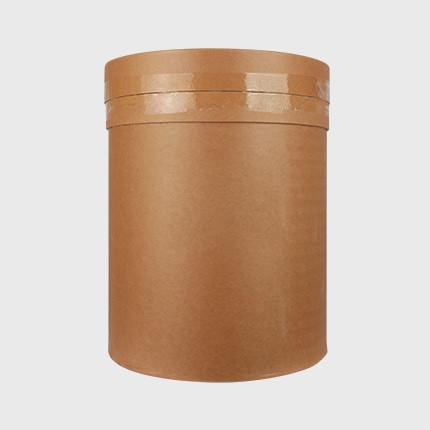

If you're considering adding Creatine HCl to your fitness regimen, we invite you to reach out to us for more information and to discuss potential procurement. Our team of experts is ready to assist you in finding the best creatine solution for your needs.
References
- Greenhaff PL, Bodin K, Soderlund K, Hultman E. Muscle creatine loading in men. J Appl Physiol (1985). 1993 Mar;74(3):1360 - 7.
- Kreider RB, Kalman DS, Antonio J, et al. International Society of Sports Nutrition position stand: creatine supplementation and exercise. J Int Soc Sports Nutr. 2017 Aug 2;14:18.