

Creatine is a well - known supplement in the fitness and sports nutrition industry. Among its various forms, Creatine HCl has gained significant popularity in recent years. As a supplier of Creatine HCl, I often receive questions from customers regarding its expiration date. In this blog, I'll delve into the details of whether Creatine HCl has an expiration date, factors that affect its shelf - life, and how to ensure its quality over time.
What is Creatine HCl?
Creatine HCl, or Creatine Hydrochloride, is a form of creatine that has been chemically modified. Unlike Creatine Monohydrate, which is the most common and traditional form of creatine, Creatine HCl is more soluble in water. This enhanced solubility means it can be absorbed more easily by the body, potentially leading to faster and more efficient results. It is also suitable for those who may experience bloating or water retention with Creatine Monohydrate. Additionally, Vegan Creatine options are available in the market, catering to the dietary needs of vegetarians and vegans.
Does Creatine HCl Have an Expiration Date?
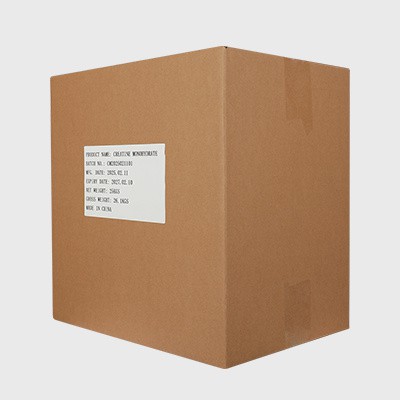
The short answer is yes, Creatine HCl does have an expiration date. Like most supplements and food products, it is not designed to last indefinitely. The expiration date is typically printed on the product label by the manufacturer. This date is determined through a series of stability tests that assess how long the product can maintain its potency, safety, and quality under normal storage conditions.
The expiration date serves as a guideline for consumers to ensure that they are getting the most out of the product. After the expiration date, the Creatine HCl may start to degrade, which can lead to a reduction in its effectiveness. For example, the creatine molecules may break down over time, reducing the amount of active ingredient available for the body to use.
Factors Affecting the Shelf - Life of Creatine HCl
Several factors can influence how long Creatine HCl remains stable and effective.
Storage Conditions
One of the most critical factors is storage. Creatine HCl should be stored in a cool, dry place away from direct sunlight. High temperatures can accelerate the degradation process. If the product is exposed to heat, such as being left in a hot car or near a heater, the creatine molecules can break down more quickly. Similarly, humidity can cause the powder to clump and may also promote the growth of bacteria or mold, which can further compromise the quality of the product.
Packaging
The quality of the packaging also plays a role. A well - sealed container can protect the Creatine HCl from air, moisture, and light. If the packaging is damaged or not properly sealed, oxygen can enter the container and react with the creatine, leading to oxidation. Oxidation can cause the creatine to lose its potency and may also change its chemical properties.
Contamination
Contamination can occur if the product is not handled properly. For example, using dirty spoons or fingers to scoop out the Creatine HCl can introduce bacteria or other contaminants into the container. Once contaminated, the product may spoil more quickly and may pose a health risk if consumed.
How to Tell if Creatine HCl Has Expired
There are several signs that can indicate that Creatine HCl has expired or is starting to degrade.

Physical Changes
If the powder has changed color, texture, or odor, it may be a sign that the product has expired. For example, if the powder has turned yellow or brown, or if it has become clumpy or sticky, it is likely that the creatine has started to break down. A strong or unusual odor can also be an indication of spoilage.
Reduced Effectiveness
If you notice that you are not getting the same results from the Creatine HCl as you did when you first started using it, it could be because the product has expired. This may manifest as a decrease in strength gains, reduced endurance, or slower recovery times during workouts.
Can You Use Expired Creatine HCl?
While it is not recommended to use expired Creatine HCl, in most cases, it is not likely to cause any serious harm. However, the product may not be as effective as it was before the expiration date. Using expired Creatine HCl may mean that you are not getting the full benefits of the supplement, and you may be wasting your money.
If the product shows signs of spoilage, such as a strange odor, mold growth, or significant changes in appearance, it should be discarded immediately. Consuming spoiled Creatine HCl can potentially lead to digestive issues or other health problems.
Maximizing the Shelf - Life of Creatine HCl
To ensure that your Creatine HCl lasts as long as possible, follow these tips:
- Proper Storage: Store the product in a cool, dry place, preferably in a pantry or cupboard. Avoid storing it in the bathroom, where humidity levels are often high.
- Keep the Container Sealed: Always make sure the container is tightly sealed after each use to prevent air and moisture from getting in.
- Use Clean Utensils: When scooping out the Creatine HCl, use a clean, dry spoon to avoid contamination.
- Check the Expiration Date: Before purchasing a new batch of Creatine HCl, check the expiration date on the label to ensure you are getting a fresh product.
Conclusion
As a supplier of Creatine HCl, I understand the importance of providing high - quality products to my customers. Creatine HCl does have an expiration date, and it is crucial to pay attention to this date and proper storage to ensure the product's effectiveness. By following the guidelines mentioned above, you can maximize the shelf - life of your Creatine HCl and get the most out of your supplement.
If you are interested in purchasing Creatine HCl for your fitness or sports nutrition needs, I encourage you to reach out to me for a discussion. I can provide you with more information about our products, including their quality, sourcing, and pricing. Whether you are a retailer looking to stock our products or an individual consumer, I am here to assist you in making an informed decision.
References
- L. Spriet, "Creatine supplementation and exercise performance", Journal of Applied Physiology, 2008.
- M. Kreider et al., "Effects of creatine supplementation on performance and training adaptations", Molecular and Cellular Biochemistry, 2017.
- R. Bannock, "Stability testing of dietary supplements", Journal of Dietary Supplements, 2015.