

Yo, what's up fitness fam! I'm here today to talk about one of the most common questions I get as a creatine supplier: Does creatine increase water retention? It's a topic that's been debated in the fitness community for ages, and there's a lot of misinformation out there. So, let's dive in and set the record straight.
First off, let's talk about what creatine is. Creatine is a naturally occurring compound found in small amounts in foods like meat and fish. It's also produced by our bodies in the liver, kidneys, and pancreas. Creatine plays a crucial role in energy production, especially during high-intensity, short-duration activities like weightlifting and sprinting. When you take creatine supplements, you're essentially increasing the amount of creatine stored in your muscles, which can lead to improved performance and strength gains.
Now, let's get to the question at hand: Does creatine increase water retention? The short answer is yes, it can. But it's not as simple as that. When you take creatine, it draws water into your muscle cells. This is because creatine is osmotically active, which means it attracts water. As a result, your muscles can hold onto more water, leading to a temporary increase in body weight and a fuller, more pumped appearance.
But here's the thing: This water retention is actually a good thing. It's a sign that the creatine is working and that your muscles are getting the energy they need to perform at their best. The increased water content in your muscles can also help to reduce muscle soreness and fatigue, allowing you to recover faster between workouts.
Another benefit of creatine-induced water retention is that it can help to increase muscle protein synthesis. When your muscles are hydrated, they're better able to absorb nutrients and build new muscle tissue. This can lead to greater gains in muscle mass and strength over time.
However, it's important to note that not everyone will experience water retention when taking creatine. Some people may be more sensitive to the effects of creatine than others, while others may not notice any change in their body weight or appearance at all. The amount of water retention you experience can also depend on the type of creatine you take, the dosage, and how your body responds to the supplement.
There are several different types of creatine available on the market, each with its own unique properties and benefits. The two most common types are Creatine Monohydrate and Creatine HCl. Creatine Monohydrate is the most widely studied and used form of creatine, and it's known for its effectiveness and affordability. Creatine HCl, on the other hand, is a newer form of creatine that's designed to be more soluble and easier to absorb.
So, which type of creatine is better? Well, it really depends on your individual needs and preferences. If you're looking for a tried-and-true form of creatine that's been proven to work, then Creatine Monohydrate is a great choice. If you're looking for a more advanced form of creatine that may offer some additional benefits, then Creatine HCl may be worth considering.
Now, let's talk about some of the potential side effects of creatine-induced water retention. While water retention is generally considered to be a safe and normal side effect of taking creatine, it can sometimes cause some discomfort or bloating. If you experience any of these symptoms, it's important to drink plenty of water to stay hydrated and to reduce the risk of dehydration.
Another potential side effect of creatine is an increase in Creatinine levels in the blood. Creatinine is a waste product that's produced by the muscles and excreted by the kidneys. When you take creatine, your body may produce more creatinine, which can lead to an increase in creatinine levels in the blood. However, this is usually a temporary and harmless side effect that will go away once you stop taking creatine.
In conclusion, creatine can increase water retention, but this is actually a good thing. The increased water content in your muscles can help to improve performance, reduce muscle soreness and fatigue, and increase muscle protein synthesis. However, not everyone will experience water retention when taking creatine, and the amount of water retention you experience can vary depending on several factors.
If you're interested in trying creatine for yourself, I encourage you to do your research and talk to your doctor or a qualified fitness professional. They can help you determine if creatine is right for you and recommend the best type and dosage for your needs.
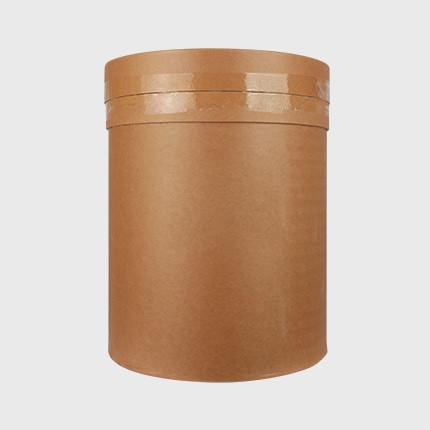

And if you're looking for a high-quality creatine supplement, look no further! As a creatine supplier, I offer a wide range of creatine products that are backed by science and designed to help you achieve your fitness goals. Whether you're a beginner or a seasoned athlete, I've got the perfect creatine supplement for you.
So, what are you waiting for? Contact me today to learn more about our creatine products and to start your journey to a stronger, healthier you!
References
- Kreider, R. B., et al. (2017). International Society of Sports Nutrition position stand: Creatine supplementation and exercise. Journal of the International Society of Sports Nutrition, 14(1), 18.
- Rawson, E. S., & Venezia, A. J. (2003). Effects of creatine supplementation and resistance training on muscle strength and weightlifting performance. Journal of Strength and Conditioning Research, 17(2), 364-372.
- Volek, J. S., et al. (1999). Body composition and performance responses to short-term creatine supplementation in female athletes. International Journal of Sport Nutrition and Exercise Metabolism, 9(4), 320-330.