

Betaine hydrochloride, a compound that has gained significant attention in the fields of nutrition and agriculture, plays a crucial role in enhancing nutrient absorption. As a leading supplier of high - quality betaine hydrochloride products, including Betaine Hvdrochloride 97%, Betaine Hydrochloride 98%, and Agricultural Grade Betaine Hydrochloride, I am excited to delve into how this compound impacts nutrient absorption.
The Basics of Betaine Hydrochloride
Betaine hydrochloride is a white, crystalline powder that is the hydrochloric acid salt of betaine. Betaine itself is a naturally occurring compound found in various foods such as beets, spinach, and whole grains. When combined with hydrochloric acid, it forms betaine hydrochloride, which is often used as a dietary supplement and in agricultural applications.
In the human body, the stomach secretes hydrochloric acid to aid in digestion. However, as people age or due to certain health conditions, the production of stomach acid may decrease. This can lead to problems with digesting food and absorbing nutrients. Betaine hydrochloride can act as a source of additional hydrochloric acid, helping to improve the acidic environment in the stomach.
Impact on Protein Digestion and Absorption
One of the primary ways betaine hydrochloride affects nutrient absorption is by enhancing protein digestion. Proteins are large, complex molecules that need to be broken down into smaller peptides and amino acids before they can be absorbed by the body. The acidic environment in the stomach, maintained by hydrochloric acid, is essential for the activation of pepsin, an enzyme that breaks down proteins.
When betaine hydrochloride is consumed, it increases the acidity of the stomach contents. This lower pH level allows pepsin to function more efficiently, leading to better breakdown of proteins. As a result, more amino acids are released from the proteins, which can then be absorbed through the intestinal lining into the bloodstream.
For example, in individuals with low stomach acid production, supplementing with betaine hydrochloride can significantly improve their ability to digest and absorb proteins from dietary sources such as meat, fish, and dairy products. This is particularly important for maintaining muscle mass, supporting immune function, and overall health.
Influence on Mineral Absorption
Betaine hydrochloride also has a positive impact on the absorption of minerals. Minerals such as calcium, iron, and zinc are essential for various physiological functions in the body, including bone health, oxygen transport, and immune function. However, their absorption can be affected by the pH of the digestive tract.
In an acidic environment, minerals are more soluble and easier to absorb. By increasing the acidity in the stomach, betaine hydrochloride helps to keep minerals in a soluble form, preventing them from forming insoluble complexes that are difficult for the body to absorb.
Calcium, for instance, is better absorbed in an acidic environment. When betaine hydrochloride is present in the stomach, it can enhance the solubility of calcium salts, allowing for more efficient absorption in the small intestine. Similarly, iron absorption is also improved as the acidic conditions help to convert iron into a more absorbable form.
Role in Fat Digestion and Absorption
Although fat digestion is mainly carried out by bile and pancreatic enzymes in the small intestine, the initial steps in the stomach can also be influenced by betaine hydrochloride. The acidic environment created by betaine hydrochloride can help to emulsify fats to some extent, making them more accessible to the digestive enzymes in the small intestine.
Moreover, the improved protein and mineral absorption facilitated by betaine hydrochloride can indirectly support fat digestion and absorption. For example, proper protein digestion is necessary for the synthesis of lipoproteins, which are responsible for transporting fats in the bloodstream. And minerals such as magnesium are involved in the activation of enzymes related to fat metabolism.
Agricultural Applications and Nutrient Uptake in Plants
In agriculture, betaine hydrochloride is used to improve the nutrient uptake of plants. Plants require a variety of nutrients, including nitrogen, phosphorus, and potassium, as well as micronutrients such as iron, manganese, and copper. The availability of these nutrients in the soil and their uptake by plant roots can be affected by the soil pH.
Betaine hydrochloride can be used to adjust the soil pH, creating a more favorable environment for nutrient solubility and uptake. In acidic soils, some nutrients may be more readily available to plants. By adding betaine hydrochloride to the soil, farmers can optimize the pH conditions, leading to better absorption of nutrients by plant roots.
In addition, betaine hydrochloride can also enhance the root development of plants. A well - developed root system has a larger surface area for nutrient absorption. The compound may stimulate root growth, allowing plants to access more nutrients from the soil.
Considerations and Precautions
While betaine hydrochloride offers many benefits for nutrient absorption, it is important to use it with caution. Excessive intake of betaine hydrochloride can lead to an overly acidic stomach environment, which may cause heartburn, nausea, and other digestive discomforts. It is recommended to start with a low dose and gradually increase it under the guidance of a healthcare professional.
In agricultural applications, the use of betaine hydrochloride should also be carefully regulated. Over - application can lead to soil acidification, which may have negative impacts on soil fertility and the growth of certain plants.
How Our Betaine Hydrochloride Products Can Help
As a supplier of betaine hydrochloride, we offer high - quality products with different purities to meet the diverse needs of our customers. Our Betaine Hvdrochloride 97% and Betaine Hydrochloride 98% are suitable for dietary supplement manufacturers, ensuring that they can provide effective products to consumers.
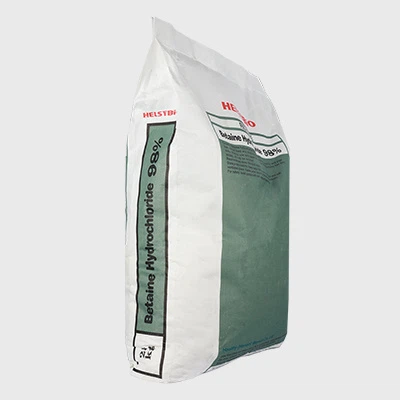

Our Agricultural Grade Betaine Hydrochloride is specifically formulated for use in agriculture. It can be used to improve soil conditions and enhance nutrient uptake in plants, leading to better crop yields and quality.
Conclusion
Betaine hydrochloride plays a vital role in enhancing nutrient absorption in both humans and plants. By improving protein, mineral, and fat digestion and absorption, it contributes to better overall health and well - being. In agriculture, it helps to optimize soil conditions and increase crop productivity.
If you are interested in purchasing high - quality betaine hydrochloride products for your dietary supplement business or agricultural needs, we invite you to contact us for more information and to discuss your specific requirements. Our team of experts is ready to assist you in finding the right solution for your applications.
References
- Gropper, S. S., Smith, J. L., & Carr, T. P. (2018). Advanced nutrition and human metabolism. Cengage Learning.
- Combs, G. F. (2012). The vitamins: Fundamental aspects in nutrition and health. Academic Press.
- Marschner, H. (2012). Mineral nutrition of higher plants. Academic Press.