

As a supplier of Food Grade Choline Chloride, I've witnessed firsthand the growing interest in how this essential nutrient interacts with various food additives. In this blog, we'll delve into the science behind these interactions, exploring their implications for food safety, quality, and nutrition.
Understanding Food Grade Choline Chloride
Food Grade Choline Chloride is a water - soluble vitamin - like essential nutrient. It plays a crucial role in numerous physiological processes in the human body, including nerve impulse transmission, lipid metabolism, and cell membrane structure maintenance. Due to its importance, it is often added to food products to enhance their nutritional value.
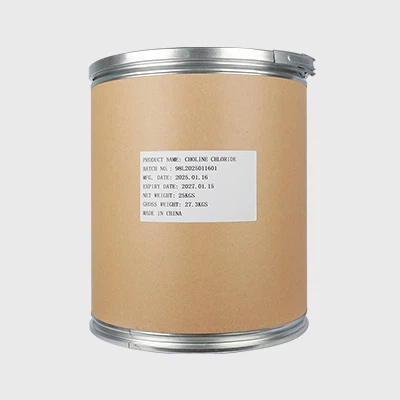
Choline is a vital component for the synthesis of acetylcholine, a neurotransmitter involved in memory, muscle control, and other cognitive functions. It also aids in the transport of fats and cholesterol in the body, preventing the accumulation of fat in the liver. As a food additive, Food Grade Choline Chloride meets strict quality and safety standards, ensuring its suitability for human consumption. You can learn more about it on our Food Grade Choline Chloride page.
Types of Food Additives and Their Functions
Food additives are substances added to food to preserve flavor, enhance taste, improve appearance, or extend shelf - life. They can be classified into several categories, including preservatives, antioxidants, emulsifiers, and flavor enhancers.
Preservatives, such as sodium benzoate and potassium sorbate, are used to prevent the growth of microorganisms and spoilage. Antioxidants like vitamin C and vitamin E help to prevent the oxidation of fats and oils, which can lead to rancidity and off - flavors. Emulsifiers, such as lecithin, keep oil and water from separating in products like mayonnaise and salad dressings. Flavor enhancers, like monosodium glutamate (MSG), enhance the natural flavors of food.
Interactions between Food Grade Choline Chloride and Preservatives
When Food Grade Choline Chloride is combined with preservatives, there are several potential interactions. From a chemical perspective, choline chloride is a relatively stable compound. However, in the presence of strong oxidizing agents, which some preservatives can act as, there could be a risk of oxidation. For example, if choline chloride is mixed with a high - concentration of hydrogen peroxide (a strong oxidizing preservative), it may lead to the formation of oxidation products.
On the other hand, some preservatives may actually help to maintain the stability of choline chloride in food products. For instance, certain chelating agents used as preservatives can bind to metal ions in the food. Since metal ions can catalyze the degradation of choline chloride, the chelating agents indirectly protect choline chloride from degradation. This interaction ensures that the nutritional value of the food product is maintained over its shelf - life.
Interactions with Antioxidants
Antioxidants and Food Grade Choline Chloride can have a synergistic relationship. Choline chloride is involved in lipid metabolism, and lipids are prone to oxidation. Antioxidants work to prevent the oxidation of lipids, which in turn can help to maintain the integrity of cell membranes where choline - containing phospholipids are present.
For example, when vitamin E is added to a food product along with choline chloride, vitamin E can scavenge free radicals that would otherwise attack the unsaturated fatty acids in the cell membranes. Since choline is a part of phosphatidylcholine, a major component of cell membranes, the protection of these membranes by antioxidants helps to preserve the function of choline in the body. This interaction not only improves the nutritional quality of the food but also enhances its overall stability.
Interactions with Emulsifiers
Emulsifiers play a key role in keeping oil and water - based components of food products mixed. Food Grade Choline Chloride can interact with emulsifiers in a way that affects the physical properties of the food. Lecithin, a common emulsifier, contains phosphatidylcholine, which is chemically related to choline chloride.
When choline chloride is added to an emulsified food product, it can influence the surface tension and the stability of the emulsion. Choline chloride may interact with the polar head groups of the emulsifier molecules, altering the way they arrange at the oil - water interface. This can lead to a more stable emulsion, reducing the risk of phase separation. In some cases, the addition of choline chloride can also improve the texture of the food product, making it smoother and more homogeneous.
Interactions with Flavor Enhancers
The interaction between Food Grade Choline Chloride and flavor enhancers is an area that requires further research. However, there are some speculations based on the chemical nature of these substances. Choline chloride has a slightly bitter taste on its own. When combined with flavor enhancers like MSG, which enhances the umami flavor, the overall taste profile of the food can be affected.

MSG is known to enhance the perception of savory flavors. It is possible that the bitter taste of choline chloride could be masked or modified by the umami flavor of MSG. This interaction can be beneficial in formulating food products with a more balanced and appealing taste. Moreover, the combination of these two substances may also stimulate different taste receptors in a synergistic way, leading to an enhanced overall flavor experience for the consumer.
Impact on Food Safety and Quality
The interactions between Food Grade Choline Chloride and food additives have significant implications for food safety and quality. From a safety perspective, it is crucial to ensure that these interactions do not result in the formation of toxic or harmful compounds. Regulatory bodies around the world have set strict limits on the use of both choline chloride and food additives to ensure consumer safety.
In terms of quality, the right combination of choline chloride and food additives can improve the sensory properties, nutritional value, and shelf - life of food products. For example, a well - formulated interaction between choline chloride and antioxidants can prevent the development of off - flavors and maintain the freshness of the food. This not only benefits the consumer but also the food manufacturers by reducing product waste and improving customer satisfaction.
Applications in Different Food Products
Food Grade Choline Chloride and its interactions with food additives have diverse applications in various food products. In baby food, choline chloride is added to support the healthy development of the brain and nervous system. Preservatives and antioxidants are also commonly used in baby food to ensure its safety and quality during storage. The interactions between these substances need to be carefully studied to ensure that the nutritional value of choline chloride is maintained while meeting the strict safety standards for baby food.
In bakery products, choline chloride can be added to improve the dough's handling properties and the nutritional value of the final product. Emulsifiers are often used in bakery products to improve the texture and volume. The interaction between choline chloride and emulsifiers can lead to a more uniform and finer - textured bread or pastry.
In the beverage industry, choline chloride can be added to functional drinks to provide a nutritional boost. Flavor enhancers are used to make these drinks more palatable. The combination of choline chloride and flavor enhancers can create a unique and appealing taste for consumers.
Conclusion and Call to Action
In conclusion, the interactions between Food Grade Choline Chloride and food additives are complex and have far - reaching implications for food safety, quality, and nutrition. As a supplier of Food Grade Choline Chloride, we are committed to providing high - quality products and supporting our customers in understanding these interactions.
If you are a food manufacturer, researcher, or distributor interested in incorporating Food Grade Choline Chloride into your products, we invite you to contact us to discuss your specific needs. Our team of experts can provide you with detailed information on the compatibility of choline chloride with different food additives and help you develop innovative and high - quality food products.
References
- Zeisel, S. H., & da Costa, K. A. (2009). Choline: an essential nutrient for public health. Nutrition reviews, 67(11), 615 - 623.
- Shahidi, F., & Zhong, Y. (2015). Food antioxidants: chemistry, functionality, and applications. CRC Press.
- McClements, D. J. (2015). Food emulsions: principles, practice, and techniques. CRC Press.