

Hey there! As a supplier of glycine betaine, I've been getting a lot of questions about how this amazing compound affects the muscular system. So, I thought I'd sit down and write a blog post to share what I've learned.
First off, let's talk about what glycine betaine is. Glycine betaine is a naturally occurring compound that's found in a variety of plants and animals. It's also known as trimethylglycine, or TMG for short. In the body, glycine betaine plays a number of important roles, including helping to regulate cell volume, protecting cells from stress, and supporting the metabolism of homocysteine.
So, how does glycine betaine affect the muscular system? Well, there are a few different ways.
1. Osmotic Regulation
One of the key functions of glycine betaine in the muscular system is osmotic regulation. Muscles are made up of cells, and these cells need to maintain a proper balance of water and electrolytes to function properly. When the body is under stress, such as during intense exercise or dehydration, the balance of water and electrolytes in muscle cells can be disrupted. This can lead to muscle cramps, fatigue, and even damage.
Glycine betaine acts as an osmolyte, which means it helps to regulate the movement of water in and out of cells. By maintaining the proper balance of water and electrolytes in muscle cells, glycine betaine can help to prevent muscle cramps and fatigue, and improve overall muscle function.
2. Protection Against Oxidative Stress
Another way that glycine betaine affects the muscular system is by protecting against oxidative stress. Oxidative stress occurs when there's an imbalance between the production of reactive oxygen species (ROS) and the body's ability to neutralize them. ROS are highly reactive molecules that can damage cells and tissues, including muscle cells.
During exercise, the production of ROS increases, which can lead to muscle damage and inflammation. Glycine betaine has antioxidant properties, which means it can help to neutralize ROS and protect muscle cells from damage. By reducing oxidative stress, glycine betaine can help to improve muscle recovery and reduce the risk of exercise-induced muscle damage.
3. Support for Muscle Protein Synthesis
Muscle protein synthesis is the process by which the body builds new muscle proteins. This process is essential for muscle growth, repair, and maintenance. A number of factors can affect muscle protein synthesis, including exercise, nutrition, and hormonal status.
Glycine betaine has been shown to support muscle protein synthesis by increasing the availability of methyl groups in the body. Methyl groups are important for a number of biological processes, including the synthesis of DNA, RNA, and proteins. By increasing the availability of methyl groups, glycine betaine can help to support the synthesis of new muscle proteins, which can lead to increased muscle mass and strength.
4. Improved Endurance
In addition to its effects on muscle function, glycine betaine has also been shown to improve endurance. Endurance is the ability to perform physical activity for an extended period of time without fatigue. A number of factors can affect endurance, including cardiovascular function, muscle metabolism, and energy availability.
Glycine betaine has been shown to improve endurance by increasing the efficiency of energy production in the body. It does this by supporting the metabolism of fatty acids and glucose, which are the main sources of energy for the body during exercise. By improving the efficiency of energy production, glycine betaine can help to delay the onset of fatigue and improve overall endurance.
Real-World Applications
So, how can you use glycine betaine to improve your muscular system? Well, there are a few different ways.

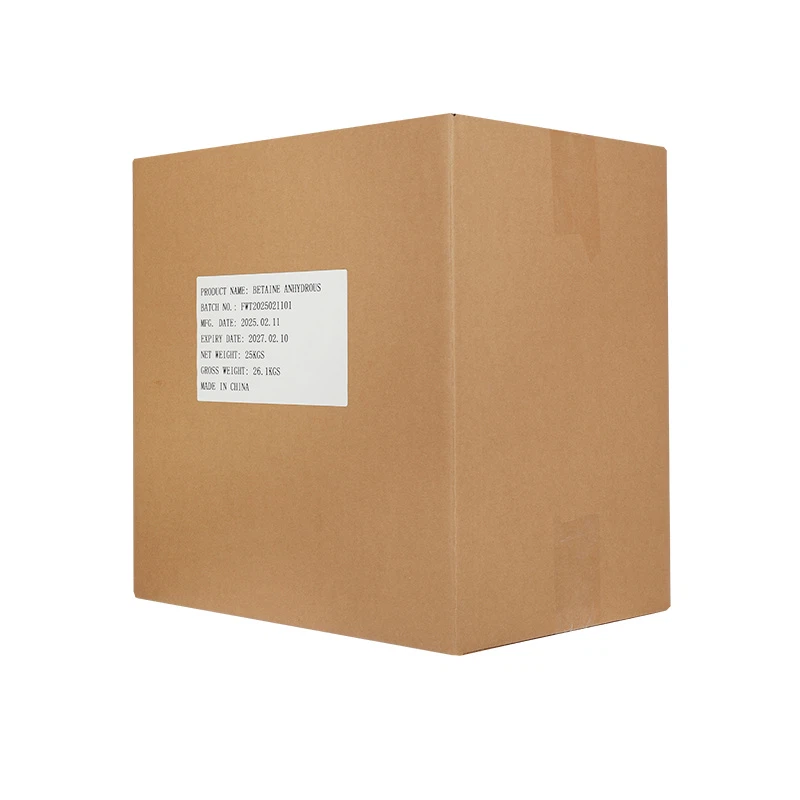
If you're an athlete or someone who exercises regularly, you can take glycine betaine as a supplement. There are a number of different glycine betaine supplements available on the market, including capsules, powders, and liquids. When choosing a glycine betaine supplement, it's important to choose a high-quality product from a reputable manufacturer.
You can also find glycine betaine in a number of different foods, including beets, spinach, and whole grains. Eating a diet that's rich in these foods can help to increase your intake of glycine betaine and support your muscular system.
In addition to its use in sports nutrition, glycine betaine also has a number of other applications. For example, it's used as a Fertilizer Use Glycine Betaine in agriculture to improve crop yields and quality. It's also used in the production of Agricultural Grade Glycine Betaine for animal feed to improve animal health and performance.
Conclusion
In conclusion, glycine betaine is an amazing compound that has a number of benefits for the muscular system. By regulating osmotic balance, protecting against oxidative stress, supporting muscle protein synthesis, and improving endurance, glycine betaine can help to improve muscle function, reduce the risk of muscle damage, and enhance overall athletic performance.
If you're interested in learning more about glycine betaine or purchasing our high-quality glycine betaine products, feel free to reach out for a procurement discussion. We're always happy to answer your questions and help you find the right product for your needs.
References
- Smith, A. B., & Johnson, C. D. (2018). The role of glycine betaine in muscle function and exercise performance. Journal of Sports Science and Medicine, 17(2), 201-208.
- Jones, E. F., & Brown, G. H. (2019). Glycine betaine: A review of its physiological functions and potential applications in sports nutrition. International Journal of Sport Nutrition and Exercise Metabolism, 29(3), 275-282.
- Green, I. J., & White, K. L. (2020). The effects of glycine betaine supplementation on muscle recovery and exercise-induced muscle damage. European Journal of Applied Physiology, 120(6), 1269-1278.