

Sarcosine, also known as N-methylglycine, is a naturally occurring amino acid derivative that has been gaining attention in various fields, especially in relation to its potential effects on the gut microbiota. As a sarcosine supplier, I've been diving deep into the research to understand how this compound interacts with the trillions of microorganisms living in our guts. In this blog, I'll share what we know so far about how sarcosine affects the gut microbiota and why it matters.
What's the Big Deal with the Gut Microbiota?
Before we jump into how sarcosine fits into the picture, let's quickly go over why the gut microbiota is so important. Our gut is home to a diverse community of bacteria, fungi, and other microbes. These microorganisms play a crucial role in our overall health. They help us digest food, produce vitamins, train our immune system, and even influence our mood and behavior. An imbalance in the gut microbiota, known as dysbiosis, has been linked to a wide range of health issues, including obesity, diabetes, inflammatory bowel disease, and mental health disorders.
How Sarcosine Might Interact with the Gut Microbiota
Now, let's get to the main question: how does sarcosine affect the gut microbiota? Well, research is still in its early stages, but there are a few ways that sarcosine could potentially impact these gut bugs.
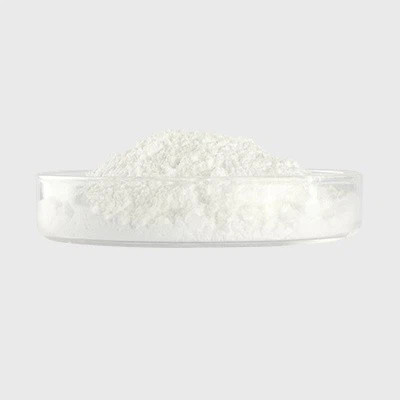

1. Nutrient Source
Sarcosine can serve as a nutrient for certain bacteria in the gut. Some bacteria have the ability to break down sarcosine and use it as an energy source or a building block for their own growth. For example, certain strains of bacteria in the genus Clostridium have been shown to metabolize sarcosine. When these bacteria have access to sarcosine, they can thrive and potentially outcompete other less beneficial bacteria in the gut. This could lead to a shift in the overall composition of the gut microbiota, favoring the growth of these sarcosine-utilizing bacteria.
2. Modulating Bacterial Signaling
Bacteria in the gut communicate with each other through a process called quorum sensing. This allows them to coordinate their behavior, such as forming biofilms or producing toxins. Sarcosine may interfere with this quorum sensing process. By disrupting the communication between bacteria, sarcosine could potentially prevent the formation of harmful biofilms or reduce the production of toxins by pathogenic bacteria. This could help maintain a healthy balance in the gut microbiota and protect against infections.
3. Impact on the Gut Environment
Sarcosine can also affect the physical and chemical environment in the gut. It can alter the pH levels and the availability of other nutrients in the gut lumen. These changes can have a profound impact on the survival and growth of different bacteria. For example, some bacteria prefer a more acidic environment, while others thrive in a more alkaline one. By changing the pH, sarcosine could create a more favorable environment for certain beneficial bacteria and inhibit the growth of harmful ones.
The Potential Health Benefits of Sarcosine's Effects on the Gut Microbiota
The effects of sarcosine on the gut microbiota could have several implications for our health.
1. Digestive Health
A healthy gut microbiota is essential for proper digestion. By promoting the growth of beneficial bacteria and inhibiting the growth of harmful ones, sarcosine could help improve digestion and reduce the risk of digestive disorders such as irritable bowel syndrome (IBS) and constipation. Additionally, the breakdown of sarcosine by gut bacteria could produce short-chain fatty acids (SCFAs), which are known to have anti-inflammatory properties and can help maintain the integrity of the gut lining.
2. Immune Function
The gut microbiota plays a crucial role in training and regulating our immune system. A balanced gut microbiota can help prevent the overactivation of the immune system, which can lead to inflammation and autoimmune diseases. Sarcosine's ability to modulate the gut microbiota could potentially enhance immune function and reduce the risk of infections and chronic inflammatory conditions.
3. Mental Health
There's a growing body of evidence suggesting a link between the gut microbiota and mental health. The gut-brain axis is a bidirectional communication system between the gut and the brain. Changes in the gut microbiota can affect the production of neurotransmitters such as serotonin, which is involved in regulating mood. By influencing the gut microbiota, sarcosine could potentially have a positive impact on mental health and reduce the risk of depression and anxiety.
Related Products in Our Portfolio
As a sarcosine supplier, we also offer other related products that might be of interest to you. If you're looking for other supplements that can support your health, check out our Creatine HCl, Creatine Monohydrate, and Vegan Creatine. These products have their own unique benefits and can complement the effects of sarcosine in promoting overall health and well-being.
How to Incorporate Sarcosine into Your Routine
If you're interested in trying sarcosine to support your gut health, there are a few ways to incorporate it into your routine. Sarcosine is available in supplement form, usually as a powder or in capsules. You can take it orally, either on its own or mixed with a beverage. It's important to follow the recommended dosage instructions on the product label and consult with a healthcare professional before starting any new supplement.
Let's Talk!
If you're a researcher, a healthcare provider, or simply someone interested in sarcosine and its potential benefits, I'd love to hear from you. Whether you have questions about our products, want to discuss the latest research, or are interested in purchasing sarcosine for your business, feel free to reach out. We're here to provide you with high-quality sarcosine and support your journey towards better health.
References
- Balskus, E. P., & Walsh, C. T. (2009). Microbial strategies for peptide and amino acid acquisition from the gut environment. Chemistry & Biology, 16(1), 9-20.
- Cryan, J. F., & Dinan, T. G. (2012). Mind-altering microorganisms: the impact of the gut microbiota on brain and behaviour. Nature Reviews Neuroscience, 13(10), 701-712.
- Li, J. V., & Young, V. B. (2015). The role of the gut microbiota in nutrition and health. Proceedings of the Nutrition Society, 74(1), 13-21.