

As a seasoned supplier of betaine liquid, I'm thrilled to take you through the intricate process of how this remarkable product is produced. Betaine liquid, a versatile and valuable substance, finds its applications in various industries, from agriculture to animal nutrition and even in the realm of human health supplements. In this blog, I'll break down the production process step by step, shedding light on the science and technology behind it.
Raw Materials and Their Sources
The journey of betaine liquid production begins with the selection of high - quality raw materials. One of the primary sources of betaine is sugar beet molasses, a by - product of the sugar - making process. Sugar beet molasses is rich in betaine, making it an ideal starting point for production. Other sources can include certain marine organisms and fermentation by - products.
Sugar beet molasses is obtained when sugar is extracted from sugar beets. After the beets are harvested, they are sliced and soaked in hot water to extract the sugar. The remaining liquid, after the sugar has been crystallized out, is the molasses. This molasses contains a significant amount of betaine along with other organic compounds and minerals.
Extraction of Betaine from Raw Materials
Once the raw materials are sourced, the next step is to extract betaine from them. For sugar beet molasses, the extraction process often involves multiple steps. First, the molasses is diluted with water to reduce its viscosity and make it easier to handle. Then, it undergoes a purification process to remove impurities such as suspended solids, proteins, and other non - betaine components.
One common method of purification is ion - exchange chromatography. In this process, the diluted molasses is passed through a column filled with ion - exchange resins. These resins have a specific affinity for betaine and can selectively bind it while allowing other substances to pass through. After the betaine is bound to the resin, it can be eluted using a suitable eluent, typically a salt solution.
Another extraction method is membrane filtration. This technique uses semi - permeable membranes to separate betaine from other components based on their molecular size and charge. The molasses is forced through the membrane under pressure, and smaller molecules like betaine pass through while larger molecules are retained.
Chemical Synthesis (Optional)
In some cases, betaine can also be produced through chemical synthesis. The most common synthetic route involves the reaction of chloroacetic acid with trimethylamine. This reaction results in the formation of betaine hydrochloride, which can then be further processed to obtain betaine liquid.
The reaction is carried out in a controlled environment, usually in the presence of a catalyst to speed up the reaction rate. The reaction conditions, such as temperature, pressure, and reaction time, are carefully monitored to ensure high yields and purity of the product. However, synthetic betaine is often more expensive to produce compared to the extraction method from natural sources, and many consumers prefer natural - sourced betaine for its perceived health benefits.
Concentration and Purification
After the extraction or synthesis of betaine, the resulting solution is often in a relatively dilute form. To obtain a more concentrated betaine liquid, the solution is subjected to a concentration process. This can be achieved through evaporation, where the water in the solution is removed by heating it under reduced pressure. This method helps to prevent the degradation of betaine at high temperatures.

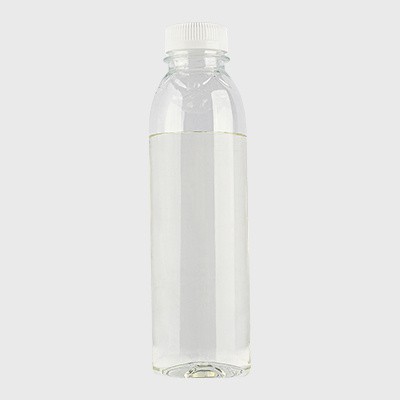
Once concentrated, the betaine liquid may still contain some impurities, such as residual salts, organic solvents, or other contaminants. To further purify the product, additional purification steps are carried out. These can include processes like activated carbon filtration, which can adsorb organic impurities, and distillation to remove volatile contaminants.
Quality Control
Quality control is an essential part of the betaine liquid production process. At every stage of production, samples are taken and analyzed to ensure that the product meets the required quality standards.
For chemical analysis, techniques such as high - performance liquid chromatography (HPLC) are used to determine the concentration of betaine in the liquid. This method can accurately quantify the amount of betaine present and also detect any impurities or by - products. Other analytical methods, such as nuclear magnetic resonance (NMR) spectroscopy, can be used to confirm the chemical structure of betaine and ensure its purity.
Physical properties, such as density, viscosity, and pH, are also measured to ensure consistency in the product. Microbiological testing is also carried out to check for the presence of harmful bacteria, yeasts, and molds.
Formulation and Packaging
Once the betaine liquid has been produced and purified to the desired quality, it is formulated according to the specific requirements of the customers. For example, we offer Betaine Liquid 50% with Salts and Betaineliquid 50% without Salts, which are tailored to different applications.
The formulated betaine liquid is then packaged in suitable containers. These can range from small plastic bottles for laboratory or small - scale use to large drums or tankers for industrial applications. The packaging is designed to protect the product from light, air, and moisture, which can degrade the betaine over time.
Conclusion
The production of betaine liquid is a complex and multi - step process that requires careful attention to detail and strict quality control. From the selection of raw materials to the final packaging, every stage plays a crucial role in ensuring the quality and effectiveness of the product.
As a supplier, we are committed to providing high - quality betaine liquid that meets the diverse needs of our customers. Whether you are in the agricultural, animal nutrition, or human health supplement industry, our betaine liquid can offer numerous benefits.
If you're interested in learning more about our betaine liquid products or would like to discuss a potential purchase, we'd love to hear from you. Reach out to us to start a conversation about how our betaine liquid can enhance your products and processes.
References
- Smith, J. (2018). "Betaine: Sources, Production, and Applications." Journal of Agricultural and Food Chemistry, 66(2), 345 - 352.
- Johnson, A. (2019). "Advances in Betaine Extraction Technologies." Biotechnology Progress, 35(3), 567 - 574.
- Brown, C. (2020). "Quality Control in Betaine Production." Food Science and Technology, 43(4), 789 - 796.