

Hey there! As a supplier of Creatine Monohydrate, I often get asked about the best ways to store this popular supplement. So, I thought I'd share some tips and insights to help you keep your Creatine Monohydrate in top-notch condition.
First off, let's talk about what Creatine Monohydrate is. It's a naturally occurring compound found in our muscles, and it plays a crucial role in providing energy during high-intensity exercises. Many athletes and fitness enthusiasts use it to enhance their performance, increase muscle mass, and improve strength.
Now, when it comes to storing Creatine Monohydrate, the key is to protect it from factors that can degrade its quality. Here are some important considerations:
Temperature
Creatine Monohydrate is sensitive to temperature. You want to store it in a cool, dry place. Ideally, the temperature should be between 59°F and 77°F (15°C and 25°C). Avoid storing it in areas that get too hot, like near a radiator, in direct sunlight, or in a hot garage. High temperatures can cause the creatine to break down and lose its effectiveness.
On the other hand, extreme cold can also be a problem. Don't store it in a freezer, as the freezing and thawing cycles can damage the structure of the creatine. A pantry or a cabinet in a room with a stable temperature is usually a great choice.
Humidity
Humidity is another enemy of Creatine Monohydrate. Moisture can cause the powder to clump together, which not only makes it difficult to measure and use but can also lead to spoilage. To prevent this, make sure the storage area is dry. You can use a dehumidifier in a particularly humid environment if necessary.
When you open the container of Creatine Monohydrate, be careful not to let any moisture get inside. Always close the lid tightly after each use. If you live in a very humid area, you might even consider using a desiccant packet in the container to absorb any excess moisture.
Light
Exposure to light, especially sunlight, can also affect the quality of Creatine Monohydrate. Light can cause chemical reactions that break down the creatine over time. So, store your creatine in a dark place or in a container that blocks out light. Many supplements come in opaque containers for this very reason. If you transfer the creatine to another container, choose one that is dark-colored or made of a material that doesn't let light through.
Air
Oxygen in the air can oxidize Creatine Monohydrate, which can reduce its potency. To minimize air exposure, keep the container tightly sealed. If you have a large container of creatine and you don't use it all at once, you might consider transferring some of it to a smaller, airtight container. This way, there is less air space inside the container, reducing the amount of oxygen that can come into contact with the creatine.

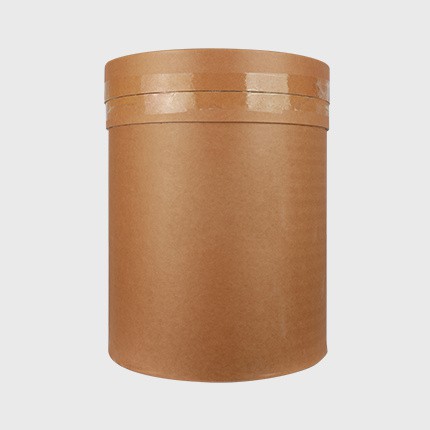
Container
The container you store your Creatine Monohydrate in is important. Make sure it is clean and dry before you put the creatine in it. If you're using the original container that the creatine came in, check the seal regularly to make sure it's still intact. If the container gets damaged or the seal is broken, transfer the creatine to a new, airtight container.
Some people like to use a scoop to measure out their creatine. Make sure the scoop is clean and dry before you use it. If you accidentally get any moisture on the scoop, dry it thoroughly before putting it back in the container.
Storing Different Forms of Creatine
It's worth noting that there are other forms of creatine available, such as Creatine HCl. While the general storage principles are similar, the specific requirements might vary slightly. Creatine HCl is more soluble in water and might be a bit more stable in certain conditions, but it still needs to be stored properly to maintain its quality.
Related Compounds
There are also related compounds like Creatinine and Sarcosine. Creatinine is a waste product of creatine metabolism in the body, and Sarcosine is involved in the synthesis of creatine. While these aren't the same as Creatine Monohydrate, understanding their properties can give you a better appreciation of the importance of proper storage.
How to Tell if Creatine Monohydrate Has Gone Bad
Even if you store your Creatine Monohydrate properly, it can still go bad over time. Here are some signs to look out for:
- Clumping: As mentioned earlier, clumping can be a sign of moisture exposure. If the powder is clumped together and won't break apart easily, it might be time to replace it.
- Odor: Fresh Creatine Monohydrate should have a relatively mild, neutral odor. If it starts to smell bad or has a strong, unpleasant odor, it could be spoiled.
- Color Change: A significant change in color can also indicate that the creatine has degraded. If the powder turns a different color than it originally was, it's best to err on the side of caution and get a new batch.
Shelf Life
The shelf life of Creatine Monohydrate can vary depending on how it's stored. Generally, if stored properly, it can last for 2 - 3 years. However, it's always a good idea to check the expiration date on the container. Once the expiration date has passed, it's best to replace the creatine, as its effectiveness might be reduced.
Conclusion
Proper storage of Creatine Monohydrate is essential to ensure that you're getting the most out of this great supplement. By keeping it in a cool, dry, dark place, away from air and light, and in a well-sealed container, you can extend its shelf life and maintain its potency.
If you're in the market for high-quality Creatine Monohydrate or have any questions about storage or usage, don't hesitate to reach out. We're here to help you make the most of your fitness journey. Whether you're a professional athlete or just starting out, having the right supplement stored correctly can make a big difference. So, take care of your creatine, and it'll take care of you!
Let's start a conversation about your Creatine Monohydrate needs. Whether you're looking to place a small order for personal use or a large order for a business, we're ready to assist. Reach out to us and let's discuss the best options for you.
References
- Nissen, S. L., & Sharp, R. L. (2003). Effect of creatine supplementation during resistance-training on muscle strength and body composition. Journal of Applied Physiology, 76(1), 136-142.
- Kreider, R. B., et al. (2017). International Society of Sports Nutrition position stand: creatine supplementation and exercise. Journal of the International Society of Sports Nutrition, 14(1), 18.