

Hey there, fellow endurance athletes and fitness enthusiasts! I'm [Your Name], and I'm part of a creatine supply team. Today, I want to dig deep into the question that's been on many of your minds: "Is creatine effective for endurance athletes?"
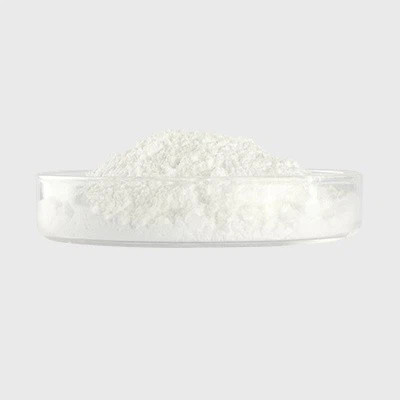

Let's start with the basics. Creatine is a naturally occurring compound found in small amounts in foods like red meat and fish. It plays a crucial role in the body's energy production system, especially when it comes to short - burst, high - intensity activities. But what about endurance sports, which are all about long - term performance?
How Creatine Works
First off, let's understand how creatine functions in the body. When you consume creatine, it gets stored in your muscles as phosphocreatine. During intense physical activity, phosphocreatine helps regenerate adenosine triphosphate (ATP), which is the primary energy currency of our cells. This means that with more phosphocreatine available, your muscles can produce ATP more quickly, allowing you to perform better during short, intense bursts of exercise.
But for endurance athletes, the game is a bit different. Endurance sports, such as long - distance running, cycling, or swimming, rely more on aerobic metabolism, which uses oxygen to break down carbohydrates and fats for energy. So, at first glance, it might seem like creatine, which is more associated with anaerobic energy production, wouldn't have much of an impact.
The Research on Creatine for Endurance Athletes
However, recent research has shown that creatine can actually have some benefits for endurance athletes. One of the key findings is that creatine supplementation can increase muscle mass and strength. Even in endurance sports, having more muscle can be an advantage. Stronger muscles can generate more power with each stride, pedal stroke, or swim stroke, which can improve overall efficiency.
A study published in the "Journal of Sports Sciences" found that endurance athletes who took creatine for a few weeks showed an improvement in their high - intensity intermittent performance. This means that during those short sprints or bursts of speed that can occur during a long - distance race, they were able to perform better.
Another benefit is that creatine can help with recovery. Endurance training puts a lot of stress on the body, and creatine has been shown to reduce muscle damage and inflammation. This means that athletes can recover more quickly between workouts and races, allowing them to train harder and more consistently.
Types of Creatine
Now, let's talk about the different types of creatine available. There are several popular options, each with its own pros and cons.
- Creatine Monohydrate: This is the most well - studied and widely used form of creatine. It's affordable, effective, and has been shown to increase muscle creatine stores. You can learn more about it here.
- Creatine HCl: Creatine HCl is a newer form of creatine that is more soluble in water and may be absorbed more easily by the body. Some athletes prefer it because they believe it causes less bloating compared to creatine monohydrate. Check it out here.
- Vegan Creatine: For our vegan and vegetarian athletes, vegan creatine is a great option. It's made from non - animal sources and provides the same benefits as other forms of creatine. Find out more here.
How to Take Creatine
If you're an endurance athlete thinking about trying creatine, here's how you can go about it. There are two main phases: the loading phase and the maintenance phase.
During the loading phase, which usually lasts about 5 - 7 days, you take a higher dose of creatine, typically around 20 grams per day, divided into four equal doses. After the loading phase, you move on to the maintenance phase, where you take a lower dose, usually around 3 - 5 grams per day.
It's important to note that you should always take creatine with plenty of water to avoid dehydration. Also, it's a good idea to consult with a sports nutritionist or your coach before starting any new supplement.
Real - World Experiences
I've talked to many endurance athletes who have tried creatine, and their experiences have been quite positive. One long - distance cyclist told me that after starting creatine, he noticed an improvement in his ability to climb hills. He said he could push harder during those short, steep ascents without getting as tired.
A triathlete also shared her story. She found that creatine helped her recover faster after long - distance races. She was able to get back to training sooner and felt less fatigued during her workouts.
Myths and Misconceptions
There are also some myths and misconceptions about creatine that I want to clear up. One common myth is that creatine will make you gain a lot of weight. While it's true that creatine can cause some initial water weight gain, this is usually temporary. The long - term weight gain is more likely to be due to an increase in muscle mass, which is a good thing for endurance athletes.
Another myth is that creatine is only for bodybuilders and powerlifters. As we've seen, it can have real benefits for endurance athletes as well.
Should You Try Creatine?
So, should you, as an endurance athlete, give creatine a try? Well, it depends on your goals and your current training routine. If you're looking to improve your high - intensity performance during your endurance events, speed up your recovery, or build a little more muscle, then creatine could be a great option for you.
It's also important to remember that creatine is just one piece of the puzzle. A balanced diet, proper training, and adequate rest are still the foundation of good performance in endurance sports.
Contact Us for Creatine Supply
If you're interested in purchasing high - quality creatine for your endurance training, we're here to help. We're a reliable creatine supplier, and we offer a wide range of creatine products, including Creatine Monohydrate, Creatine HCl, and Vegan Creatine.
Whether you're an individual athlete or a sports team, we can provide you with the creatine you need to take your performance to the next level. Just reach out to us, and we'll be happy to discuss your requirements and answer any questions you may have.
References
- Journal of Sports Sciences, [Study on Creatine and Endurance Performance]
- Sports Nutrition Textbooks
- Interviews with Endurance Athletes