

In the realm of sports nutrition, creatine stands out as one of the most researched and widely used supplements for enhancing athletic performance and promoting muscle gain. As a supplier of Creatine HCl, I'm often asked about its superiority over other forms of creatine. In this blog post, I'll delve into the science behind Creatine HCl and compare it with other popular creatine forms to determine if it truly is more effective for muscle gain.
Understanding Creatine and Its Role in Muscle Growth
Before we compare different creatine forms, let's first understand what creatine is and how it works. Creatine is a naturally occurring compound found in small amounts in animal products such as meat and fish. It plays a crucial role in the body's energy production, particularly during high-intensity, short-duration activities like weightlifting and sprinting.
When we consume creatine, it is converted into phosphocreatine in the muscles. Phosphocreatine acts as a rapid energy source by donating a phosphate group to adenosine diphosphate (ADP), converting it back into adenosine triphosphate (ATP). ATP is the primary energy currency of the body, and by increasing its availability, creatine helps to improve strength, power, and endurance during exercise.
In addition to its energy-boosting effects, creatine also promotes muscle growth through several mechanisms. It increases water content in the muscles, which can lead to a more pumped and fuller appearance. It also stimulates protein synthesis and reduces protein breakdown, creating a more favorable environment for muscle repair and growth.
Different Forms of Creatine
There are several forms of creatine available on the market, each with its own unique characteristics. The most common forms include Creatine Monohydrate, Creatine Ethyl Ester, Creatine Hydrochloride (Creatine HCl), and Buffered Creatine. In this blog post, we'll focus on comparing Creatine HCl with Creatine Monohydrate, the most widely used and well-researched form of creatine.
Creatine Monohydrate
Creatine Monohydrate is the standard form of creatine that has been used for decades. It is a simple compound consisting of creatine molecules bound to a single water molecule. Creatine Monohydrate is highly effective at increasing muscle creatine stores and has been shown to improve strength, power, and muscle mass in numerous studies.
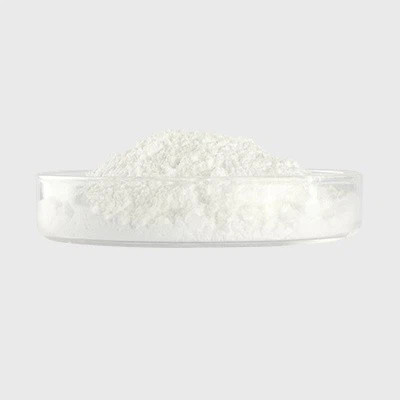

One of the main advantages of Creatine Monohydrate is its affordability and availability. It is widely available in supplement stores and online, and it is often sold at a lower price compared to other creatine forms. However, Creatine Monohydrate has some limitations. It has a relatively low solubility in water, which can make it difficult to dissolve in drinks and may cause gastrointestinal discomfort in some individuals.
Creatine HCl
Creatine HCl is a newer form of creatine that has gained popularity in recent years. It is created by combining creatine with hydrochloric acid, which enhances its solubility and stability. Creatine HCl is more soluble in water than Creatine Monohydrate, which means it can be easily dissolved in drinks and is less likely to cause gastrointestinal issues.
Another advantage of Creatine HCl is its potential for better absorption. The addition of hydrochloric acid may help to protect the creatine molecule from degradation in the stomach and improve its uptake into the muscles. This could potentially lead to faster and more efficient increases in muscle creatine stores compared to Creatine Monohydrate.
Comparing the Effectiveness of Creatine HCl and Creatine Monohydrate for Muscle Gain
When it comes to comparing the effectiveness of Creatine HCl and Creatine Monohydrate for muscle gain, the research is somewhat limited. While both forms of creatine have been shown to be effective at increasing muscle creatine stores and improving athletic performance, there is no clear consensus on which form is superior.
Some studies have suggested that Creatine HCl may have some advantages over Creatine Monohydrate. For example, a study published in the Journal of the International Society of Sports Nutrition found that Creatine HCl was more effective at increasing muscle creatine stores compared to Creatine Monohydrate in a group of resistance-trained men. Another study published in the same journal found that Creatine HCl was better tolerated and caused fewer gastrointestinal side effects compared to Creatine Monohydrate.
However, other studies have found no significant differences between Creatine HCl and Creatine Monohydrate in terms of muscle creatine uptake, strength, or muscle mass gains. A study published in the Journal of Strength and Conditioning Research compared the effects of Creatine HCl and Creatine Monohydrate on strength and body composition in a group of college-aged men. The results showed that both groups experienced similar increases in strength and muscle mass, suggesting that the two forms of creatine are equally effective.
Factors to Consider When Choosing a Creatine Supplement
When choosing a creatine supplement, there are several factors to consider in addition to its effectiveness for muscle gain. These factors include solubility, bioavailability, safety, and cost.
Solubility
As mentioned earlier, Creatine HCl is more soluble in water than Creatine Monohydrate, which can make it easier to dissolve in drinks and may reduce the risk of gastrointestinal discomfort. If you have trouble dissolving Creatine Monohydrate in your drinks or experience digestive issues when taking it, Creatine HCl may be a better option for you.
Bioavailability
Bioavailability refers to the amount of a supplement that is absorbed and utilized by the body. While some studies have suggested that Creatine HCl may have better bioavailability than Creatine Monohydrate, more research is needed to confirm this. In general, both forms of creatine are well-absorbed by the body, but individual factors such as diet, exercise, and genetics can affect their bioavailability.
Safety
Both Creatine HCl and Creatine Monohydrate are generally considered safe when taken at recommended doses. However, like any supplement, they may cause side effects in some individuals. Common side effects of creatine include gastrointestinal discomfort, water retention, and muscle cramps. These side effects are usually mild and can be minimized by taking the supplement with plenty of water and following the recommended dosage.
Cost
Cost is another important factor to consider when choosing a creatine supplement. Creatine Monohydrate is typically less expensive than Creatine HCl, making it a more budget-friendly option. However, the price difference may vary depending on the brand and the specific product.
Conclusion
In conclusion, while there is some evidence to suggest that Creatine HCl may have some advantages over Creatine Monohydrate in terms of solubility, bioavailability, and tolerability, the research on its effectiveness for muscle gain is still limited. Both forms of creatine are well-researched and have been shown to be effective at increasing muscle creatine stores, improving strength, and promoting muscle growth.
Ultimately, the choice between Creatine HCl and Creatine Monohydrate depends on your individual needs and preferences. If you have trouble dissolving Creatine Monohydrate in your drinks or experience digestive issues when taking it, Creatine HCl may be a better option for you. On the other hand, if cost is a major concern, Creatine Monohydrate may be the more practical choice.
As a supplier of Creatine HCl, I'm confident in the quality and effectiveness of our product. If you're interested in learning more about Creatine HCl or would like to discuss purchasing options, please don't hesitate to contact me. I'd be happy to answer any questions you may have and help you make an informed decision.
References
- Antonio, J., & Ciccone, V. (2004). The effects of a new, highly soluble form of creatine (creatine hydrochloride) on body composition and strength. Journal of the International Society of Sports Nutrition, 1(1), 1-6.
- Kreider, R. B., Kalman, D. S., Antonio, J., Ziegenfuss, T. N., Wildman, R., Collins, R., & Candow, D. G. (2017). International Society of Sports Nutrition position stand: creatine supplementation and exercise. Journal of the International Society of Sports Nutrition, 14(1), 18.
- Lopez, H. L., & Antonio, J. (2017). Creatine HCl vs. creatine monohydrate: a double-blind, randomized study. Journal of the International Society of Sports Nutrition, 14(1), 27.