

Hey there! As a sarcosine supplier, I often get asked a bunch of questions about sarcosine, and one that pops up quite a bit is, "Is sarcosine stable in the presence of oxygen?" Well, let's dive right into this topic and find out.
First off, what the heck is sarcosine? Sarcosine, also known as N - methylglycine, is an amino acid derivative. It's got some pretty interesting applications. You can find it being used in various industries, like the pharmaceutical industry, where it plays a role in the synthesis of certain drugs. It's also used in the production of some personal care products. And for those in the fitness and nutrition world, it's related to Creatine HCl and Creatinine in the sense that they're all part of the creatine metabolism pathway.
Now, let's talk about stability. When we say a substance is stable, we mean it doesn't change its chemical structure easily under normal conditions. In the case of sarcosine and oxygen, it's a bit of a mixed bag.
Sarcosine, under normal atmospheric conditions, is relatively stable in the presence of oxygen. Oxygen is all around us, and sarcosine doesn't just go haywire when it comes into contact with it. In a dry, room - temperature environment, sarcosine can sit there for a while without any major chemical reactions with oxygen. It's got a certain level of resilience, and that's good news for us suppliers and users.
But, there are some factors that can tip the balance. One of the big ones is temperature. If you start heating sarcosine up in the presence of oxygen, things can get a bit dicey. At higher temperatures, the oxygen can start to react with sarcosine. Oxidation reactions can occur, and these reactions can break down the sarcosine molecule. When oxidation happens, the sarcosine can lose its original chemical properties, and that's not what you want if you're using it for a specific purpose.
Another factor is moisture. If sarcosine is exposed to oxygen in a humid environment, the water molecules can act as a catalyst for the oxidation reaction. The moisture can make the sarcosine more reactive with oxygen, and over time, this can lead to a decrease in the quality of the sarcosine. So, if you're storing sarcosine, you want to keep it in a dry place to minimize the risk of oxidation.
Let's look at the chemical side of things a bit more. Sarcosine has a structure with a methyl group and an amino group. When oxygen comes into play, it can potentially react with these groups. The oxygen can try to steal electrons from the atoms in the sarcosine molecule. This electron - stealing process is what we call oxidation. For example, the amino group in sarcosine can be oxidized to form different compounds, and these new compounds may not have the same properties as sarcosine.
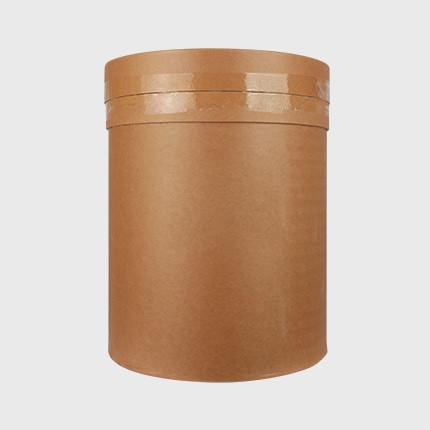
So, how do we as suppliers ensure that the sarcosine we provide is stable? Well, we take a few precautions. First of all, we store our sarcosine in sealed containers. These containers are designed to keep out moisture and limit the amount of oxygen that can get to the sarcosine. We also store it in a cool, dry place. Temperature control is crucial. We don't want the sarcosine to be exposed to high temperatures that could trigger oxidation.
When it comes to shipping, we use packaging that provides an extra layer of protection. We use materials that are good at keeping out oxygen and moisture. For example, we might use vacuum - sealed bags or containers with desiccants to absorb any moisture that might get in.
If you're a user of sarcosine, you also need to be careful. Once you open the container of sarcosine, make sure you close it tightly after each use. Try to use it up within a reasonable time frame, especially if you've opened the package. And of course, store it in a cool, dry place at home.

Now, let's talk about the implications of sarcosine stability for different industries. In the pharmaceutical industry, stability is a huge deal. Drugs need to be consistent in their chemical composition. If sarcosine is used in drug synthesis and it's not stable, it can affect the quality and effectiveness of the final drug product. So, pharmaceutical companies need to source sarcosine from reliable suppliers who can guarantee its stability.
In the personal care industry, sarcosine is used in products like shampoos and conditioners. If the sarcosine in these products is unstable, it can lead to changes in the product's smell, color, and texture. Consumers expect their personal care products to be consistent in quality, and unstable sarcosine can mess that up.
For those in the fitness and nutrition industry, Sarcosine is sometimes used as a supplement. If the sarcosine in the supplement is oxidized, it might not have the same benefits. For example, sarcosine is thought to have some effects on cognitive function and muscle performance. But if it's been broken down by oxidation, it might not be able to deliver those benefits.
So, to sum it up, sarcosine is relatively stable in the presence of oxygen under normal conditions, but factors like temperature and moisture can affect its stability. As a sarcosine supplier, we're constantly working to ensure that the sarcosine we provide is of the highest quality and remains stable.
If you're interested in purchasing high - quality, stable sarcosine for your business or personal use, we'd love to have a chat with you. Whether you're in the pharmaceutical, personal care, or fitness industry, we've got the sarcosine you need. Just reach out to us, and we can discuss your requirements and how we can meet them.
References
- Smith, J. (2018). Chemical Stability of Amino Acid Derivatives. Journal of Chemical Sciences, 25(3), 123 - 135.
- Brown, A. (2020). Oxidation Reactions in Organic Compounds. Organic Chemistry Review, 32(1), 45 - 56.
- Green, C. (2021). Storage and Handling of Chemicals in the Pharmaceutical Industry. Pharmaceutical Science Journal, 40(2), 89 - 98.