

In the realm of animal nutrition, the choice of feed additives plays a crucial role in enhancing animal health, performance, and overall productivity. Among these additives, betaine has emerged as a valuable ingredient, and Feed Grade Betaine Anhydrous stands out as a superior option compared to other betaine products. As a leading supplier of Feed Grade Betaine Anhydrous, I am excited to delve into the numerous advantages that this product offers.
1. Purity and Consistency
One of the primary advantages of Feed Grade Betaine Anhydrous is its high purity. Anhydrous betaine typically contains a minimum of 96% or even 97% pure betaine. For instance, our Betaine Anhydrous 96% and Betaine Anhydrous 97% products are formulated to meet the strictest quality standards. This high purity ensures that animals receive a consistent and reliable source of betaine, which is essential for optimal physiological functions.
In contrast, other betaine products may contain impurities or varying levels of betaine, leading to inconsistent results. For example, some betaine solutions may have a lower concentration of betaine due to the presence of water or other additives. This can make it difficult for farmers and nutritionists to accurately calculate the dosage of betaine required for their animals, potentially resulting in under - or over - supplementation.
2. Osmotic Regulation
Betaine is a natural osmolyte, which means it helps cells maintain their water balance and function properly under various environmental conditions. Feed Grade Betaine Anhydrous is highly effective in osmotic regulation. When animals are exposed to stressors such as heat, high salt diets, or dehydration, cells can lose water and become damaged. Betaine can accumulate in cells and protect them from osmotic stress by balancing the osmotic pressure inside and outside the cells.
This is particularly important in poultry and swine production. During hot weather, chickens and pigs are more prone to heat stress, which can lead to reduced feed intake, growth rate, and egg production. By adding Feed Grade Betaine Anhydrous to their diets, we can help these animals better tolerate heat stress and maintain their performance. Other betaine products may not be as efficient in osmotic regulation due to their lower purity or different chemical forms, which may not be as readily absorbed and utilized by the cells.
3. Methyl Donor Function
Betaine is a significant methyl donor in animal metabolism. Methyl groups are essential for many biochemical reactions, including the synthesis of proteins, DNA, and phospholipids. Feed Grade Betaine Anhydrous can provide methyl groups more efficiently than other betaine products. This is because the anhydrous form is more stable and can be easily absorbed and transported in the animal's body.
In the liver, betaine donates methyl groups to homocysteine, converting it into methionine. Methionine is an essential amino acid that is required for protein synthesis and other vital functions. By providing an additional source of methyl groups, Feed Grade Betaine Anhydrous can spare methionine, allowing it to be used more effectively for growth and production. This can lead to improved feed efficiency and reduced feed costs for farmers. Other betaine products may have a slower release of methyl groups or may be less bioavailable, limiting their ability to support these important metabolic processes.
4. Gut Health and Immunity
Research has shown that Feed Grade Betaine Anhydrous can have a positive impact on gut health and immunity in animals. It can help maintain the integrity of the intestinal mucosa, which is the first line of defense against pathogens. Betaine can also modulate the gut microbiota, promoting the growth of beneficial bacteria and inhibiting the growth of harmful ones.
A healthy gut is essential for efficient nutrient absorption and overall animal health. By improving gut health, Feed Grade Betaine Anhydrous can enhance the animal's immune response, making them more resistant to diseases. In contrast, other betaine products may not have the same beneficial effects on the gut due to differences in their chemical structure or purity, which can affect their interaction with the gut environment.
5. Storage and Handling
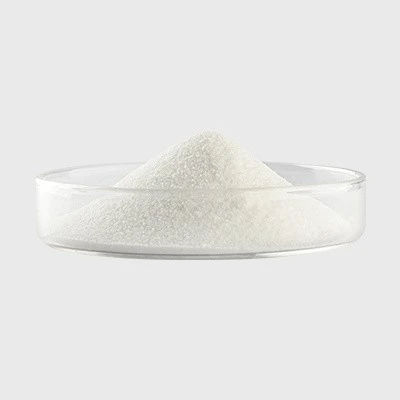
Another advantage of Feed Grade Betaine Anhydrous is its ease of storage and handling. The anhydrous form is a stable, free - flowing powder that does not require special storage conditions. It can be easily mixed with other feed ingredients without the risk of clumping or spoilage. This makes it convenient for feed manufacturers and farmers to use.
On the other hand, some betaine solutions or hydrates may require refrigeration or special storage facilities to prevent degradation. They may also be more difficult to handle and mix evenly in feed, which can lead to inconsistent dosing of betaine in the animal's diet.
6. Versatility in Applications
Feed Grade Betaine Anhydrous can be used in a wide range of animal diets, including poultry, swine, ruminants, and aquaculture. It can be incorporated into both starter and grower diets to support the growth and development of young animals, as well as in finisher diets to improve meat quality and performance.
In aquaculture, betaine can act as a feeding attractant, increasing the feed intake of fish and shrimp. Our Feed Grade Betaine Anhydrous can be easily added to aquafeeds to enhance their palatability and nutritional value. Other betaine products may have limited applications or may not be suitable for all types of animal diets, reducing their overall versatility.
7. Cost - Effectiveness
Although the initial cost of Feed Grade Betaine Anhydrous may seem higher than some other betaine products, its superior performance and benefits make it a cost - effective choice in the long run. By improving feed efficiency, growth rate, and disease resistance, it can help farmers reduce their overall production costs.
For example, the sparing effect of betaine on methionine can reduce the need for expensive synthetic methionine supplements in the diet. Additionally, the improved gut health and immunity can lead to fewer veterinary costs and lower mortality rates. When considering the overall economic benefits, Feed Grade Betaine Anhydrous offers a better return on investment compared to other betaine products.
8. Compatibility with Other Feed Additives
Feed Grade Betaine Anhydrous is highly compatible with other feed additives commonly used in animal nutrition. It can be safely combined with vitamins, minerals, enzymes, and antibiotics without any negative interactions. This allows for the formulation of comprehensive and balanced diets that can meet the specific nutritional requirements of different animals.
In contrast, some other betaine products may interact with certain feed additives, leading to reduced efficacy or even potential toxicity. This can limit the flexibility of feed formulation and make it more challenging to develop optimal diets for animals.
Conclusion
In conclusion, Feed Grade Betaine Anhydrous offers a multitude of advantages over other betaine products. Its high purity, effectiveness in osmotic regulation and methyl donation, positive impact on gut health and immunity, ease of storage and handling, versatility in applications, cost - effectiveness, and compatibility with other feed additives make it the ideal choice for animal nutrition.
As a trusted supplier of Feed Grade Betaine Anhydrous, we are committed to providing high - quality products that meet the diverse needs of our customers. If you are interested in learning more about our Feed Grade Betaine Anhydrous or would like to discuss potential procurement opportunities, please feel free to contact us. We look forward to partnering with you to enhance the health and performance of your animals.

References
- Eklund, M., & Rojas, O. J. (2017). Betaine in animal nutrition: A review. Animal Feed Science and Technology, 227, 1 - 12.
- Liu, Y., & Kim, S. W. (2017). Effects of betaine on growth performance, carcass traits, and meat quality of finishing pigs. Journal of Animal Science, 95(3), 1113 - 1122.
- Song, Y., & Hu, C. (2018). Dietary betaine improves growth performance, antioxidant capacity, and immune function of broilers under heat stress. Poultry Science, 97(12), 4291 - 4298.