

When it comes to handling betaine hydrochloride, safety should always be the top priority. As a trusted supplier of high - quality betaine hydrochloride products, including Betaine Hydrochloride 98%, Betaine Hvdrochloride 97%, and Food Grade Betaine Hydrochloride, I understand the importance of providing clear safety guidelines to our customers. In this blog, I will share comprehensive safety precautions for handling betaine hydrochloride.
Personal Protective Equipment (PPE)
Before starting any work involving betaine hydrochloride, it is essential to wear appropriate personal protective equipment. This includes safety goggles to protect your eyes from potential splashes or dust. Betaine hydrochloride can cause irritation if it comes into contact with the eyes, and safety goggles act as a barrier to prevent such incidents.
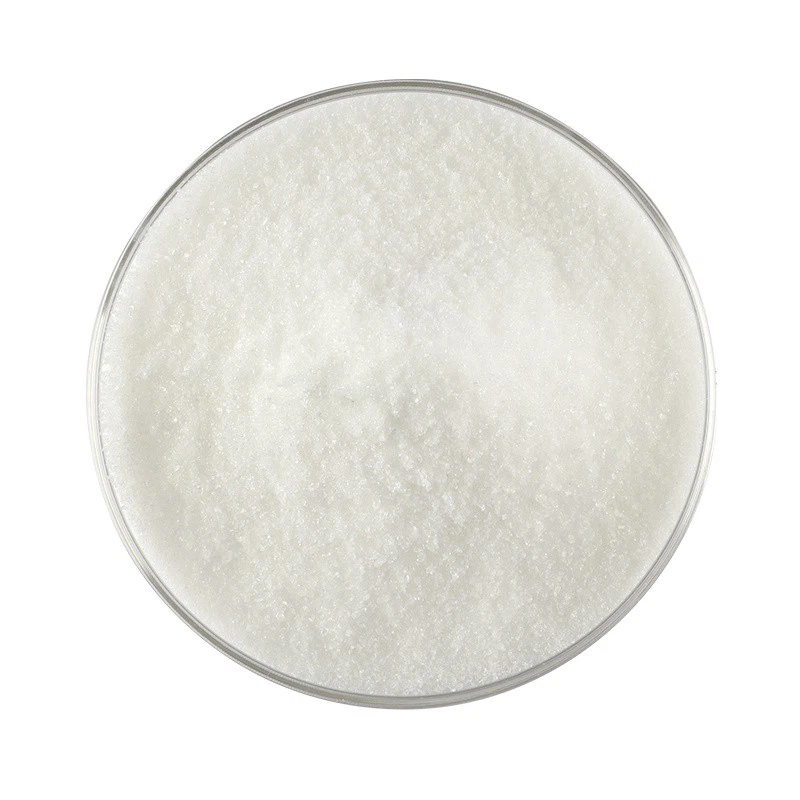

Gloves are another crucial piece of PPE. Chemical - resistant gloves, preferably made of materials like nitrile or neoprene, should be worn. These gloves protect your hands from direct contact with betaine hydrochloride, which can cause skin irritation, especially with prolonged or repeated exposure.
A lab coat or protective clothing should also be worn. This helps to prevent the chemical from coming into contact with your regular clothing and skin. It should cover as much of your body as possible to minimize the risk of exposure.
Handling in a Well - Ventilated Area
Betaine hydrochloride should always be handled in a well - ventilated area. Adequate ventilation helps to disperse any fumes or dust that may be generated during handling. If possible, work in a fume hood. A fume hood is designed to draw air away from the work area, capturing and removing any potentially harmful vapors or dust particles.
If a fume hood is not available, ensure that the room has good cross - ventilation. Open windows and doors to allow fresh air to circulate. This reduces the concentration of betaine hydrochloride in the air, minimizing the risk of inhalation. Inhalation of betaine hydrochloride dust or fumes can cause respiratory irritation, coughing, and shortness of breath.
Storage
Proper storage of betaine hydrochloride is vital for safety. It should be stored in a cool, dry place away from direct sunlight. High temperatures can cause the chemical to degrade or react, potentially releasing harmful substances.
The storage area should be well - organized, and betaine hydrochloride should be stored in tightly sealed containers. This prevents the chemical from leaking or evaporating. Containers should be labeled clearly with the name of the chemical, its concentration, and any relevant hazard warnings.
It is also important to store betaine hydrochloride away from incompatible substances. For example, it should not be stored near strong oxidizing agents or acids, as these can react with betaine hydrochloride and cause dangerous chemical reactions.
Handling Procedures
When handling betaine hydrochloride, use appropriate tools. Scoops, spatulas, or funnels made of non - reactive materials should be used to transfer the chemical. Avoid using tools that can react with betaine hydrochloride, as this can contaminate the chemical and pose a safety risk.
During transfer operations, be careful not to spill the chemical. If a spill occurs, it should be cleaned up immediately. Small spills can be cleaned up using absorbent materials such as vermiculite or sand. These materials can absorb the chemical, making it easier to collect and dispose of safely.
For larger spills, follow a pre - established spill response plan. This may involve evacuating the area, wearing additional protective equipment, and using specialized spill - clean - up kits.
First Aid Measures
In case of accidental exposure, it is important to know the appropriate first - aid measures. If betaine hydrochloride comes into contact with the skin, immediately remove any contaminated clothing and wash the affected area with plenty of water for at least 15 minutes. Seek medical attention if irritation persists.
If it gets into the eyes, flush the eyes with water for at least 15 minutes, holding the eyelids open to ensure thorough rinsing. Seek immediate medical attention.
If betaine hydrochloride is inhaled, move the affected person to fresh air immediately. If the person is having difficulty breathing, seek medical help right away.
If swallowed, do not induce vomiting unless instructed to do so by a medical professional. Give the person plenty of water to drink and seek immediate medical attention.
Training and Education
All personnel who handle betaine hydrochloride should receive proper training. Training should cover the properties of betaine hydrochloride, safety precautions, handling procedures, and first - aid measures. Regular refresher courses should also be provided to ensure that employees stay up - to - date with the latest safety information.
Training can be provided through in - house training sessions, online courses, or by inviting safety experts to conduct workshops. By investing in training, companies can ensure that their employees handle betaine hydrochloride safely and minimize the risk of accidents.
Disposal
Proper disposal of betaine hydrochloride is as important as safe handling. It should be disposed of in accordance with local, state, and federal regulations. Do not dispose of betaine hydrochloride in regular trash or down the drain.
Contact a licensed waste disposal company to handle the disposal of betaine hydrochloride. They have the expertise and equipment to dispose of the chemical safely and legally. Before disposal, ensure that the chemical is properly labeled and stored in appropriate containers.
Quality Assurance
As a supplier, we are committed to providing high - quality betaine hydrochloride products. Our products undergo strict quality control measures to ensure their purity and safety. We source our raw materials from reliable suppliers and use advanced manufacturing processes to produce betaine hydrochloride that meets the highest standards.
We also provide detailed safety data sheets (SDS) with each product. The SDS contains information about the chemical properties, hazards, safety precautions, and first - aid measures of betaine hydrochloride. Customers can refer to the SDS for comprehensive safety information.
Conclusion
Handling betaine hydrochloride requires strict adherence to safety precautions. By wearing appropriate PPE, working in a well - ventilated area, following proper handling and storage procedures, and being prepared with first - aid measures, the risk of accidents can be significantly reduced.
As a supplier, we are dedicated to providing our customers with not only high - quality betaine hydrochloride products but also the knowledge and support they need to handle these products safely. If you are interested in purchasing betaine hydrochloride, whether it is Betaine Hydrochloride 98%, Betaine Hvdrochloride 97%, or Food Grade Betaine Hydrochloride, please feel free to contact us for more information and to discuss your procurement needs.
References
- Material Safety Data Sheets (MSDS) for Betaine Hydrochloride
- Chemical Safety Guidelines for Industrial Chemicals
- OSHA (Occupational Safety and Health Administration) Regulations on Chemical Handling