

Hey there! As a glycine betaine supplier, I often get asked about the difference between glycine and glycine betaine. It's a great question, and today I'm gonna break it down for you in a way that's easy to understand.
What is Glycine?
Let's start with glycine. Glycine is one of the 20 amino acids that make up proteins in our bodies and in the bodies of other living organisms. It's the simplest amino acid, with a hydrogen atom as its side chain. That's right, it's super basic compared to some of the other amino acids out there.
Glycine plays a bunch of important roles in our bodies. It's involved in the synthesis of proteins, of course, but it also helps with the production of creatine, which is essential for muscle energy. It's also a neurotransmitter in the central nervous system, helping to regulate nerve impulses.
In the agricultural world, glycine can be used as a nutrient for plants. It can enhance plant growth and development by participating in various metabolic processes. Some fertilizers even include glycine to provide an extra boost to crops.
What is Glycine Betaine?
Now, let's talk about glycine betaine. Glycine betaine is a derivative of glycine. It's formed when glycine goes through a process called methylation, where three methyl groups are added to it. This chemical modification gives glycine betaine some unique properties.
One of the most significant features of glycine betaine is its role as an osmoprotectant. In simple terms, it helps living organisms, both plants and animals, deal with stress caused by things like high salt levels, drought, and extreme temperatures. When a plant or an animal is under stress, glycine betaine accumulates in its cells. It helps to maintain the balance of water and salts inside the cells, preventing them from drying out or getting damaged.
In the agricultural industry, glycine betaine has become increasingly popular. Fertilizer Use Glycine Betaine can significantly improve crop tolerance to various environmental stresses. It can enhance the growth, yield, and quality of crops, especially in challenging growing conditions. For example, in areas with high soil salinity, adding glycine betaine to fertilizers can help plants survive and thrive.
Chemical Structure Differences
The chemical structure is where the main difference between glycine and glycine betaine lies. Glycine has a simple structure with an amino group (-NH₂), a carboxyl group (-COOH), and a hydrogen atom as its side chain. Its chemical formula is C₂H₅NO₂.
On the other hand, glycine betaine has a more complex structure due to the addition of three methyl groups. Its chemical formula is C₅H₁₁NO₂. These methyl groups give glycine betaine a positive charge on the nitrogen atom, making it a quaternary ammonium compound. This charged structure is what allows glycine betaine to interact with water molecules and other substances in a different way than glycine.
Biological Functions Differences
As mentioned earlier, glycine is mainly involved in protein synthesis and neurotransmission in the body. It's a building block for proteins and helps in the proper functioning of the nervous system.

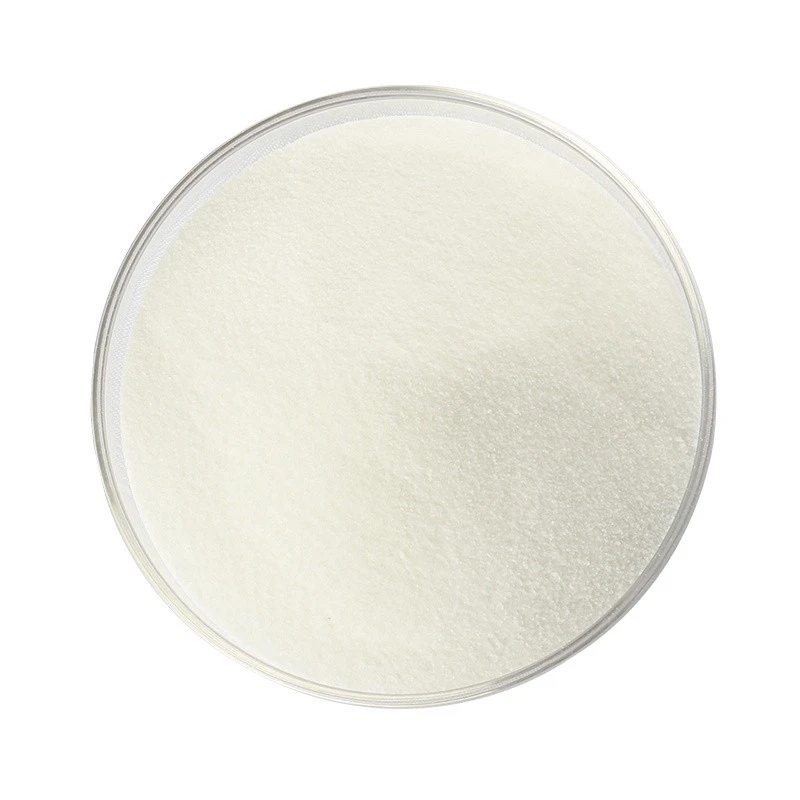
Glycine betaine, however, has a broader range of functions, especially when it comes to stress response. In plants, it can improve photosynthesis efficiency under stress conditions. It also helps in the synthesis of other important compounds in the plant, such as antioxidants. In animals, glycine betaine can improve growth performance, enhance immune function, and reduce the negative effects of heat stress.
Applications in Agriculture
In agriculture, the applications of glycine and glycine betaine also differ. Glycine is used more as a general nutrient for plants. It can be added to fertilizers in small amounts to support basic plant growth processes.
Glycine betaine, on the other hand, is a powerful tool for improving crop resilience. Agricultural Grade Glycine Betaine is specifically formulated for use in fertilizers and other agricultural products. It can be applied to the soil or sprayed on the leaves of plants. When used correctly, it can make a big difference in the yield and quality of crops, especially in areas prone to environmental stress.
Availability and Pricing
When it comes to availability and pricing, glycine is more widely available and generally cheaper. It's a common amino acid that can be found in many chemical suppliers.
Glycine betaine, being a more specialized product, is a bit more expensive. The production process is more complex, and the demand for it in the agricultural and other industries is growing. However, considering the benefits it provides in terms of crop protection and yield improvement, many farmers and agricultural businesses are willing to invest in it.
Conclusion
So, to sum it up, while glycine and glycine betaine are related, they have distinct differences. Glycine is a simple amino acid with basic functions in protein synthesis and neurotransmission, while glycine betaine is a more complex derivative with powerful stress-protective properties.
If you're in the agricultural business and looking for a way to improve your crop's performance, especially in challenging conditions, glycine betaine could be the solution you're looking for. As a glycine betaine supplier, I'm here to help you with all your glycine betaine needs. Whether you have questions about its application, want to know more about its benefits, or are ready to place an order, feel free to reach out. Let's work together to boost your crop yields and ensure a successful harvest!
References
- Smith, J. (2020). Amino Acids in Plant Nutrition. Journal of Agricultural Science.
- Johnson, R. (2021). The Role of Glycine Betaine in Plant Stress Tolerance. Agricultural Research Review.
- Brown, S. (2022). Applications of Glycine and Its Derivatives in Agriculture. International Journal of Agronomy.