

Hey there, fitness enthusiasts and health - conscious peeps! As a supplier of Vegan Creatine, I've been getting a ton of questions lately about the stability of this amazing supplement. So, I thought I'd sit down and write this blog to clear up all the confusion.
First off, let's talk about what creatine is. Creatine is a naturally - occurring compound in our bodies, mainly in our muscles. It plays a crucial role in providing energy during short - burst, high - intensity activities like weightlifting or sprinting. Most of the time, people get creatine from animal products like meat and fish. But for those who follow a vegan or vegetarian lifestyle, getting enough creatine from diet alone can be a real challenge. That's where vegan creatine comes in.
Now, stability is a big deal when it comes to supplements. No one wants to buy a product that's going to break down or lose its effectiveness before they even get a chance to use it up. So, what factors affect the stability of vegan creatine?
Storage Conditions
One of the most important things that can impact the stability of vegan creatine is how you store it. Just like any other supplement, vegan creatine should be kept in a cool, dry place. Heat and moisture are its enemies. If you leave your creatine container in a hot and humid bathroom or near a sunny window, the creatine can start to degrade.
Exposure to high temperatures can cause the creatine molecules to break down. When this happens, the creatine loses its ability to function properly in your body. So, make sure to store your vegan creatine in a pantry or a cabinet away from heat sources. Also, keep the container tightly closed to prevent moisture from getting in. If you live in a particularly humid area, you might even want to consider using a desiccant packet in the container to absorb any excess moisture.
Shelf Life
The shelf life of vegan creatine is another aspect related to its stability. Generally, when stored under proper conditions, vegan creatine has a pretty long shelf life. Most high - quality vegan creatine products can last for up to two years from the date of manufacture.
However, it's important to check the expiration date on the product. As the creatine gets closer to its expiration date, its stability might start to decline. Even if the creatine is still within the expiration date, but it has been stored poorly, its effectiveness could be reduced. So, always make sure to use your creatine before the expiration date and store it well.
Chemical Structure and Stability
Vegan creatine usually has the same chemical structure as regular creatine. The most common forms of creatine in supplements are Creatine Monohydrate and Creatine HCl. These forms are relatively stable under normal conditions.
Creatine Monohydrate is the most well - studied and widely used form of creatine. It has a stable chemical structure and is less likely to break down compared to some other forms. Creatine HCl, on the other hand, is more soluble in water and might have a slightly different stability profile. But overall, both forms can maintain their stability as long as they are stored correctly.
Another compound related to creatine is Sarcosine. Sarcosine is an intermediate in the synthesis of creatine. While it's not the same as creatine itself, understanding its properties can give us some insights into the stability of creatine - related compounds. Sarcosine is also relatively stable, but it can be affected by factors like pH and temperature.
Comparison with Non - Vegan Creatine
You might be wondering how the stability of vegan creatine compares to non - vegan creatine. Well, the good news is that there's not much difference. Whether it's sourced from vegan or non - vegan methods, creatine in its pure form has similar stability characteristics.
The key difference lies in the sourcing. Non - vegan creatine is usually extracted from animal by - products, while vegan creatine is synthesized in a lab using plant - based materials. But once it's in the supplement form, as long as it's the same type (like Creatine Monohydrate or Creatine HCl), the stability is pretty much the same.
Quality Control in Production
As a supplier of vegan creatine, I take quality control very seriously. We follow strict manufacturing processes to ensure the stability of our product. During production, we monitor the temperature, humidity, and other environmental factors to prevent any degradation of the creatine.
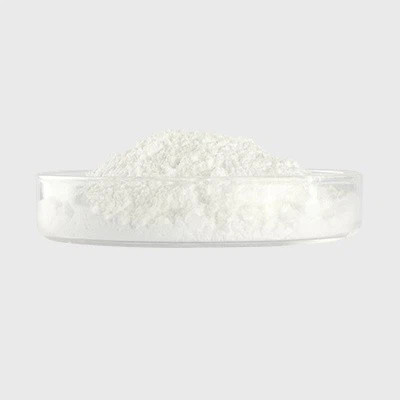

We also conduct regular tests on our products to check for purity and stability. This includes testing for the presence of any impurities or breakdown products. By doing so, we can guarantee that the vegan creatine we supply is of the highest quality and will remain stable until it reaches your hands.
Benefits of Stable Vegan Creatine
When you have stable vegan creatine, you can enjoy all the benefits that creatine has to offer. Taking a stable creatine supplement can help increase your muscle strength and power. It allows you to perform more reps during your weightlifting sessions or run faster during sprints.
Stable creatine also helps with muscle recovery. After an intense workout, your muscles can get damaged. Creatine helps to repair and rebuild these muscles more quickly, reducing muscle soreness and fatigue. And since vegan creatine is suitable for vegans and vegetarians, it gives them the same performance - enhancing benefits without having to compromise their dietary choices.
Conclusion
So, to sum it up, the stability of vegan creatine depends on several factors such as storage conditions, shelf life, chemical structure, and production quality control. By storing your vegan creatine properly in a cool, dry place and using it before the expiration date, you can ensure that it remains effective.
As a supplier, I'm committed to providing you with the best - quality vegan creatine that's stable and reliable. If you're interested in purchasing vegan creatine for your fitness routine or for your health goals, I'd love to have a chat with you. Reach out to me, and we can discuss the details, answer any questions you might have, and get you started on your journey to better performance and health. Let's work together to make your fitness dreams a reality!
References
- Harris RC, Soderlund K, Hultman E. Elevation of creatine phosphate in resting and exercised muscle of normal subjects by creatine supplementation. Clin Sci (Lond). 1992;83(3):367 - 374.
- Kreider RB, Ferreira M, Wilson M, et al. Effects of creatine supplementation on performance and training adaptations. Mol Cell Biochem. 2003;244(1 - 2):89 - 94.
- Rawson ES, Volek JS. Effects of creatine supplementation and resistance training on muscle strength and weightlifting performance. J Strength Cond Res. 2003;17(2):368 - 373.