

As a reliable glycine betaine supplier, I understand the importance of proper storage conditions for this versatile compound. Glycine betaine, also known as trimethylglycine (TMG), has a wide range of applications in various industries, including agriculture and fertilizers. In this blog, I will delve into the crucial storage conditions for glycine betaine to ensure its quality, stability, and effectiveness.
Chemical Properties of Glycine Betaine
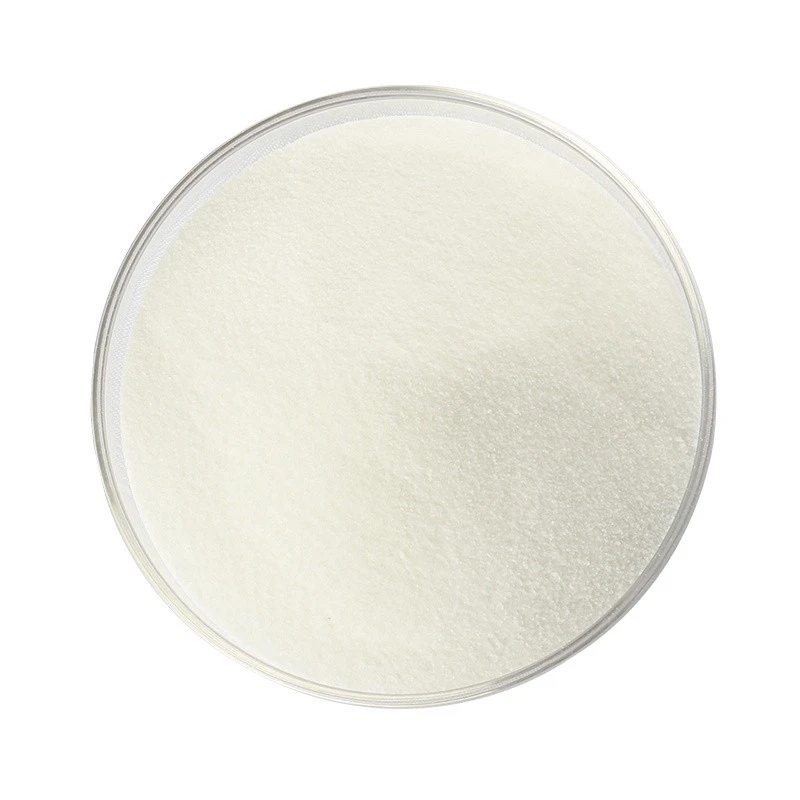
Before discussing the storage conditions, it is essential to understand the chemical properties of glycine betaine. Glycine betaine is a white crystalline powder that is highly soluble in water and has a sweet taste. It is a naturally occurring compound found in many plants, animals, and microorganisms. Chemically, glycine betaine is a derivative of glycine, with three methyl groups attached to the nitrogen atom. This unique structure gives glycine betaine its exceptional properties, such as osmoprotection, antioxidant activity, and osmoregulation.
Importance of Proper Storage
Proper storage of glycine betaine is vital to maintain its chemical stability and biological activity. Exposure to unfavorable conditions can lead to degradation, loss of potency, and reduced effectiveness of the product. As a supplier, we are committed to providing high-quality glycine betaine to our customers, and ensuring proper storage is an integral part of our quality control process.
Storage Conditions for Glycine Betaine
Temperature
Temperature is one of the most critical factors affecting the storage of glycine betaine. Glycine betaine should be stored at a cool and stable temperature, preferably between 20°C and 25°C (68°F and 77°F). Avoid storing glycine betaine in areas exposed to direct sunlight or extreme heat, as high temperatures can accelerate the degradation process. Prolonged exposure to high temperatures can cause the breakdown of glycine betaine into its constituent parts, reducing its effectiveness.
Humidity
Humidity is another important consideration when storing glycine betaine. Glycine betaine is hygroscopic, which means it has a tendency to absorb moisture from the surrounding environment. High humidity levels can cause glycine betaine to clump together, making it difficult to handle and use. To prevent moisture absorption, glycine betaine should be stored in a dry place with a relative humidity of less than 60%. It is also recommended to store glycine betaine in airtight containers to minimize exposure to moisture.
Light
Light can also have a detrimental effect on the stability of glycine betaine. Exposure to ultraviolet (UV) light can cause the oxidation of glycine betaine, leading to the formation of degradation products. To protect glycine betaine from light, it should be stored in opaque containers or in a dark place. Avoid storing glycine betaine in clear or transparent containers, as they allow light to penetrate and can accelerate the degradation process.
Oxygen
Oxygen is another factor that can contribute to the degradation of glycine betaine. Exposure to oxygen can cause the oxidation of glycine betaine, resulting in the formation of reactive oxygen species (ROS) and other degradation products. To minimize the exposure of glycine betaine to oxygen, it should be stored in airtight containers. Additionally, it is recommended to use a nitrogen flush during the packaging process to displace the oxygen and create an inert atmosphere.
Packaging
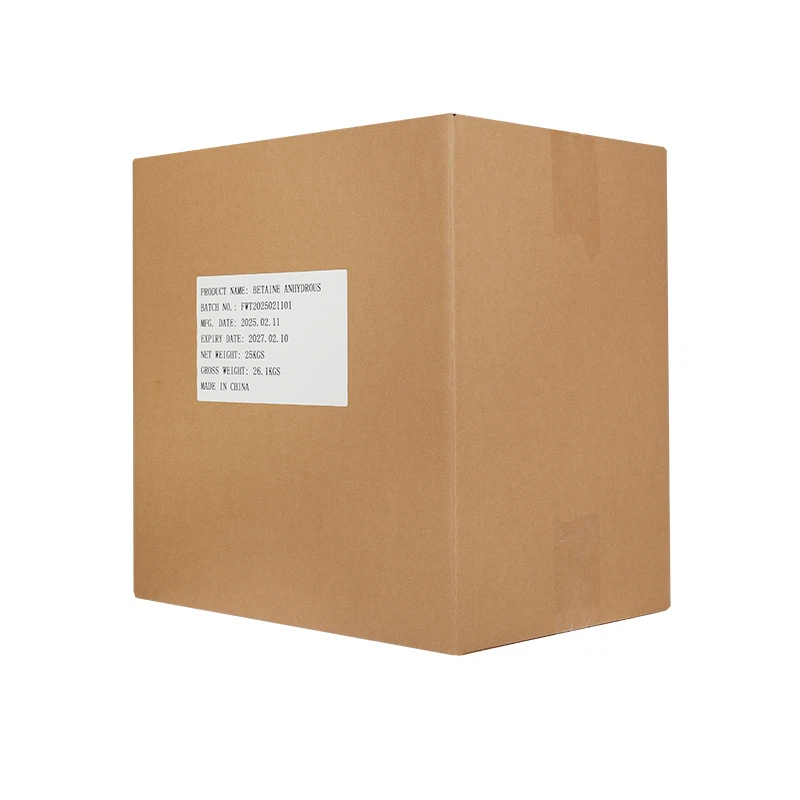
The choice of packaging material is crucial for the proper storage of glycine betaine. The packaging should be made of a material that is resistant to moisture, light, and oxygen. Common packaging materials used for glycine betaine include polyethylene (PE) bags, polypropylene (PP) bags, and aluminum foil bags. These materials provide a barrier against moisture, light, and oxygen, helping to maintain the stability and quality of glycine betaine.
Storage Duration
The storage duration of glycine betaine depends on several factors, including the storage conditions, the quality of the product, and the packaging. When stored under optimal conditions, glycine betaine can have a shelf life of up to two years. However, it is recommended to use glycine betaine within one year of purchase to ensure its maximum effectiveness.
Applications of Glycine Betaine
Glycine betaine has a wide range of applications in various industries, including agriculture, animal nutrition, and cosmetics. In agriculture, glycine betaine is used as a plant growth regulator and osmoprotectant. It helps plants to tolerate environmental stresses such as drought, salinity, and extreme temperatures. Agricultural Grade Glycine Betaine is specifically formulated for use in agricultural applications, providing essential nutrients and protection to plants.
In the animal nutrition industry, glycine betaine is used as a feed additive to improve the growth performance and health of animals. It helps to enhance the efficiency of feed utilization, improve the quality of meat and eggs, and reduce the stress response in animals.
In the cosmetics industry, glycine betaine is used as a moisturizer and skin conditioner. It helps to hydrate the skin, improve its elasticity, and reduce the appearance of wrinkles and fine lines.
Conclusion
In conclusion, proper storage conditions are essential for maintaining the quality, stability, and effectiveness of glycine betaine. By storing glycine betaine at a cool and stable temperature, in a dry place, away from light and oxygen, and in appropriate packaging, you can ensure that the product retains its potency and efficacy for an extended period.
If you are interested in purchasing high-quality glycine betaine for your agricultural or other applications, please feel free to contact us for more information. We are a leading supplier of Fertilizer Use Glycine Betaine and other related products, and we are committed to providing our customers with the best products and services.
References
- Rhodes, D., & Hanson, A. D. (1993). Quaternary ammonium and tertiary sulfonium compounds in higher plants. Annual Review of Plant Physiology and Plant Molecular Biology, 44(1), 357-384.
- Chen, T. H. H., & Murata, N. (2002). Enhancement of tolerance of abiotic stress by metabolic engineering of betaines and other compatible solutes. Current Opinion in Plant Biology, 5(3), 250-257.
- Ashraf, M., & Foolad, M. R. (2007). Roles of glycine betaine and proline in improving plant abiotic stress resistance. Environmental and Experimental Botany, 59(2), 206-216.