

As a supplier of Food Grade Choline Chloride, I often encounter inquiries regarding the suitability of our product for high - protein foods. This blog aims to explore whether food grade choline chloride can indeed be used in high - protein foods, delving into the scientific aspects, regulatory considerations, and potential benefits.
Understanding Choline Chloride
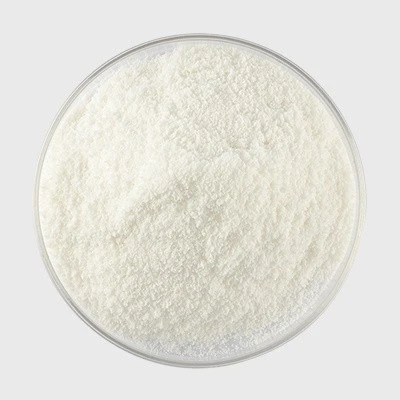
Choline chloride is an organic compound that serves as a source of choline, an essential nutrient for humans and animals. It plays a crucial role in various physiological processes, including brain development, nerve function, liver health, and lipid metabolism. There are different grades of choline chloride available in the market, such as Food Grade Choline Chloride, Agricultural Grade Choline Chloride, and 98% Choline Chloride. As a supplier, we focus on providing high - quality food grade choline chloride that meets strict safety and quality standards for human consumption.
The Role of Choline in the Body
Choline is considered an essential nutrient because the human body cannot produce enough of it to meet its needs. It is a precursor for the neurotransmitter acetylcholine, which is involved in muscle control, memory, and learning. Additionally, choline is required for the synthesis of phosphatidylcholine, a major component of cell membranes. In the liver, choline helps to transport and metabolize fats, preventing the accumulation of fat in the liver cells.
In high - protein diets, where the body is under increased stress to process and utilize proteins, choline can play an important role. It aids in the efficient metabolism of amino acids, which are the building blocks of proteins. By supporting liver function, choline ensures that the liver can handle the increased load of protein metabolism without experiencing oxidative stress or fat accumulation.
Compatibility with High - Protein Foods
One of the key questions is whether food grade choline chloride is compatible with high - protein foods. From a chemical and physiological perspective, there is no reason why choline chloride cannot be used in high - protein foods. In fact, many high - protein foods, such as eggs and meat, are natural sources of choline.
When added to high - protein foods, choline chloride can enhance the nutritional value of the product. For example, in protein shakes or bars, the addition of choline chloride can provide an extra boost of an essential nutrient. Moreover, choline chloride is stable under normal food processing conditions, which means it can withstand heat, pressure, and pH changes typically encountered during the production of high - protein foods.
Regulatory Considerations
Before using food grade choline chloride in high - protein foods, it is important to understand the regulatory requirements. In most countries, food grade choline chloride is recognized as a safe food additive when used within the specified limits. Regulatory bodies such as the Food and Drug Administration (FDA) in the United States and the European Food Safety Authority (EFSA) in Europe have established guidelines for the use of choline chloride in food products.
These guidelines specify the maximum allowable levels of choline chloride in different types of foods, including high - protein foods. As a supplier, we ensure that our food grade choline chloride meets all the relevant regulatory standards, providing our customers with a product that is safe and compliant for use in high - protein food formulations.
Benefits of Adding Choline Chloride to High - Protein Foods
- Enhanced Nutritional Value: As mentioned earlier, choline is an essential nutrient. By adding food grade choline chloride to high - protein foods, manufacturers can create products that are more nutritionally complete. This is particularly important for consumers who rely on high - protein foods as part of their diet, such as athletes, bodybuilders, and individuals following a high - protein diet for weight management or health reasons.
- Improved Protein Utilization: Choline supports the efficient metabolism of proteins. When choline is present in the diet, the body can better utilize the amino acids from high - protein foods for muscle repair, growth, and maintenance. This can lead to improved muscle strength and recovery, especially for those engaged in intense physical activity.
- Liver Support: High - protein diets can put a strain on the liver. Choline chloride helps to protect the liver by promoting the transport and metabolism of fats. This is beneficial for individuals on high - protein diets, as it reduces the risk of liver damage and fatty liver disease.
Potential Challenges and Considerations
While there are many benefits to using food grade choline chloride in high - protein foods, there are also some potential challenges. One of the main challenges is the taste and odor of choline chloride. In high concentrations, choline chloride can have a slightly bitter taste, which may affect the sensory properties of the food product. However, this can be overcome by using appropriate flavoring agents or by carefully controlling the amount of choline chloride added to the food.
Another consideration is the stability of choline chloride in the presence of certain ingredients in high - protein foods. For example, some antioxidants or acidic ingredients may interact with choline chloride, potentially affecting its stability or bioavailability. Therefore, it is important to conduct thorough testing during the formulation process to ensure that the choline chloride remains stable and effective in the final product.
Case Studies and Market Trends
There are already some examples of high - protein foods that incorporate choline chloride. For instance, some sports nutrition companies have started adding choline chloride to their protein powders and bars. These products are marketed as having enhanced nutritional value, with the added benefit of supporting liver health and muscle recovery.
The market trend for high - protein foods is on the rise, as more consumers are becoming health - conscious and are looking for convenient and nutritious food options. As a result, there is a growing demand for food grade choline chloride as a functional ingredient in high - protein foods. By offering a high - quality food grade choline chloride, we are well - positioned to meet this market demand and provide our customers with a competitive edge in the food industry.
Conclusion
In conclusion, food grade choline chloride can be effectively used in high - protein foods. It offers several benefits, including enhanced nutritional value, improved protein utilization, and liver support. From a regulatory and compatibility perspective, it is a viable option for food manufacturers. While there are some challenges, such as taste and stability, these can be addressed through proper formulation and testing.
As a supplier of Food Grade Choline Chloride, we are committed to providing our customers with a high - quality product that meets their needs. If you are a food manufacturer interested in incorporating food grade choline chloride into your high - protein food products, we encourage you to contact us for more information and to discuss potential procurement opportunities. Our team of experts is ready to assist you in formulating safe and effective high - protein food products that stand out in the market.

References
- Zeisel, S. H., & da Costa, K. A. (2009). Choline: an essential nutrient for public health. Nutrition reviews, 67(11), 615 - 623.
- Fennessey, P. V., & Zeisel, S. H. (1984). Choline metabolism in the rat: a review. The Journal of Nutrition, 114(10), 1900 - 1909.
- Institute of Medicine (US) Standing Committee on the Scientific Evaluation of Dietary Reference Intakes. (1998). Dietary reference intakes for thiamin, riboflavin, niacin, vitamin B6, folate, vitamin B12, pantothenic acid, biotin, and choline. National Academies Press (US).