

Hey there! As a supplier of Creatine Monohydrate, I get a ton of questions from folks, and one that pops up pretty often is, "Can I take Creatine Monohydrate if I'm allergic to certain substances?" Well, let's dive into this topic and clear up some confusion.
First off, let's talk a bit about what Creatine Monohydrate is. Creatine is a naturally occurring compound found in small amounts in foods like meat and fish. It plays a crucial role in our bodies, especially when it comes to energy production during short - burst, high - intensity activities like weightlifting or sprinting. Creatine Monohydrate is the most widely used and researched form of creatine supplements. You can find out more about it on our Creatine Monohydrate page.
Now, when it comes to allergies, it's super important to know what you're allergic to. Allergies can range from mild to severe reactions, and it's crucial to take them seriously. Common food allergies include those to dairy, eggs, nuts, shellfish, and soy. Some people may also be allergic to specific medications or environmental factors.
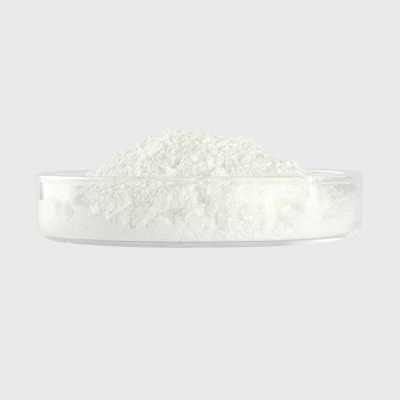
If you're allergic to certain substances, the first thing you need to do is check the ingredients of the Creatine Monohydrate product you're considering. Most pure Creatine Monohydrate supplements are just that - pure creatine monohydrate. There are no added fillers, flavors, or allergens in high - quality products. However, some supplements on the market may have additional ingredients like flavorings, sweeteners, or thickeners, and these could potentially trigger an allergic reaction.
Let's say you're allergic to dairy. You need to make sure that the Creatine Monohydrate you're buying doesn't have any dairy - based ingredients. Sometimes, manufacturers might use whey or casein (both dairy products) as fillers or in the production process. Reading the label carefully is key. If it just says "Creatine Monohydrate" on the label with no other listed ingredients, chances are it's safe for you to take, even if you're dairy - allergic.
On the other hand, if you're allergic to soy, watch out for soy - derived ingredients. Some creatine products may use soy lecithin as an emulsifier. Again, a simple label check can save you from a potential allergic reaction.
What if you're allergic to nuts? Some flavored creatine supplements might use nut - derived flavors or extracts. But if you go for an unflavored Creatine Monohydrate, you're less likely to have an issue. Unflavored supplements usually have the least amount of added ingredients, making them a safer bet for those with allergies.
Now, let's talk about alternative forms of creatine for those with specific dietary restrictions. If you're vegan or vegetarian, regular Creatine Monohydrate might not be ideal since it's often sourced from animal products. That's where Vegan Creatine comes in. It's made synthetically, so it's completely free from animal - derived ingredients and is suitable for those with vegan diets or who are allergic to substances commonly found in animal - based products.
Another form of creatine is Creatine HCl. Creatine HCl is more soluble than Creatine Monohydrate, which means it might be absorbed better by some people. It also has a different chemical structure, and this could be a good option for those who are sensitive to certain substances or have had some minor digestive issues with Creatine Monohydrate.
But before you make a decision on which creatine product to take, it's always a good idea to consult with a healthcare professional. They can give you personalized advice based on your specific allergies, medical history, and fitness goals. A doctor or a registered dietitian can take a closer look at your situation and tell you if a particular creatine supplement is safe for you.
It's also important to note that even if a product is labeled as "allergy - free" or "hypoallergenic," it's still possible to have an allergic reaction. Everyone's body is different, and sometimes, an immune response can be triggered by even the smallest trace of an allergen. So, start with a small dose of any new supplement. This way, if you do have an allergic reaction, it will likely be milder.
When you're shopping for Creatine Monohydrate or any other creatine product, look for products from reputable manufacturers. Reputable companies are more likely to have strict quality control measures in place. They'll test their products for impurities and potential allergens, and they'll be more transparent about the ingredients on the label.
If you're still not sure about whether you can take Creatine Monohydrate due to your allergies, feel free to reach out to us. We're here to help you make an informed decision. As a supplier, we have a great understanding of our products and can provide you with detailed information about the ingredients and production processes.
Whether you're a fitness enthusiast looking to boost your performance or someone who just wants to maintain a healthy lifestyle, finding the right creatine supplement for you is important. And if you have allergies, we know how challenging it can be to find a product that's both effective and safe.
To sum it up, it's possible to take Creatine Monohydrate if you're allergic to certain substances, but you need to do your due diligence. Check the product label, consider alternative forms of creatine like Vegan Creatine or Creatine HCl, and consult with a healthcare professional. If you have any questions or want to talk about our Creatine Monohydrate products, don't hesitate to get in touch. We're always happy to assist you with your creatine needs, and we're looking forward to discussing potential purchase options with you.
References:
- Various scientific studies on creatine metabolism and its effects on the body.
- Guidelines from reputable health organizations on supplement safety and allergy management.