

In the realm of health and wellness, antioxidants have emerged as superheroes, combating oxidative stress and potentially reducing the risk of chronic diseases. As an antioxidant supplier, I've witnessed firsthand the growing demand for these powerful supplements. But with so many options on the market, how do you choose the best antioxidant supplements for your needs? In this blog post, I'll delve into the science behind antioxidants, explore the top supplements available, and provide insights to help you make an informed decision.
Understanding Antioxidants
Before we dive into the best antioxidant supplements, let's first understand what antioxidants are and why they are important. Antioxidants are substances that can prevent or slow damage to cells caused by free radicals, unstable molecules that the body produces as a reaction to environmental and other pressures. Free radicals can cause oxidative stress, which has been linked to a variety of health problems, including aging, cancer, heart disease, and Alzheimer's disease.
Antioxidants work by neutralizing free radicals, donating an electron to stabilize them and prevent them from causing damage to cells. There are many different types of antioxidants, including vitamins (such as vitamins C and E), minerals (such as selenium), and phytochemicals (such as flavonoids and carotenoids). Each type of antioxidant has its own unique properties and benefits, and they often work together synergistically to provide optimal protection against oxidative stress.
The Best Antioxidant Supplements
Now that we have a basic understanding of antioxidants, let's explore some of the best antioxidant supplements available on the market.
Vitamin C
Vitamin C, also known as ascorbic acid, is a water-soluble vitamin that is essential for the growth, development, and repair of all body tissues. It is also a powerful antioxidant that can help protect cells from damage caused by free radicals. Vitamin C plays a crucial role in the immune system, collagen synthesis, and iron absorption.
One of the key benefits of vitamin C is its ability to regenerate other antioxidants, such as vitamin E. This means that vitamin C can help to enhance the antioxidant activity of other nutrients in the body. Vitamin C is also known for its immune-boosting properties, and it may help to reduce the duration and severity of colds and other respiratory infections.
Good sources of vitamin C include citrus fruits, strawberries, kiwi, bell peppers, broccoli, and spinach. However, it can be difficult to get enough vitamin C from diet alone, especially if you have a poor diet or a high level of oxidative stress. In these cases, taking a vitamin C supplement may be beneficial. You can find high-quality vitamin C supplements in various forms, including tablets, capsules, and powders.
Vitamin E
Vitamin E is a fat-soluble vitamin that is composed of eight different compounds, including four tocopherols and four tocotrienols. It is a powerful antioxidant that can help protect cell membranes from damage caused by free radicals. Vitamin E also plays a role in immune function, gene expression, and cell signaling.
One of the unique properties of vitamin E is its ability to work in conjunction with vitamin C. Vitamin E can donate an electron to vitamin C, which can then regenerate vitamin E and enhance its antioxidant activity. Vitamin E is also known for its anti-inflammatory properties, and it may help to reduce the risk of chronic diseases such as heart disease, cancer, and Alzheimer's disease.
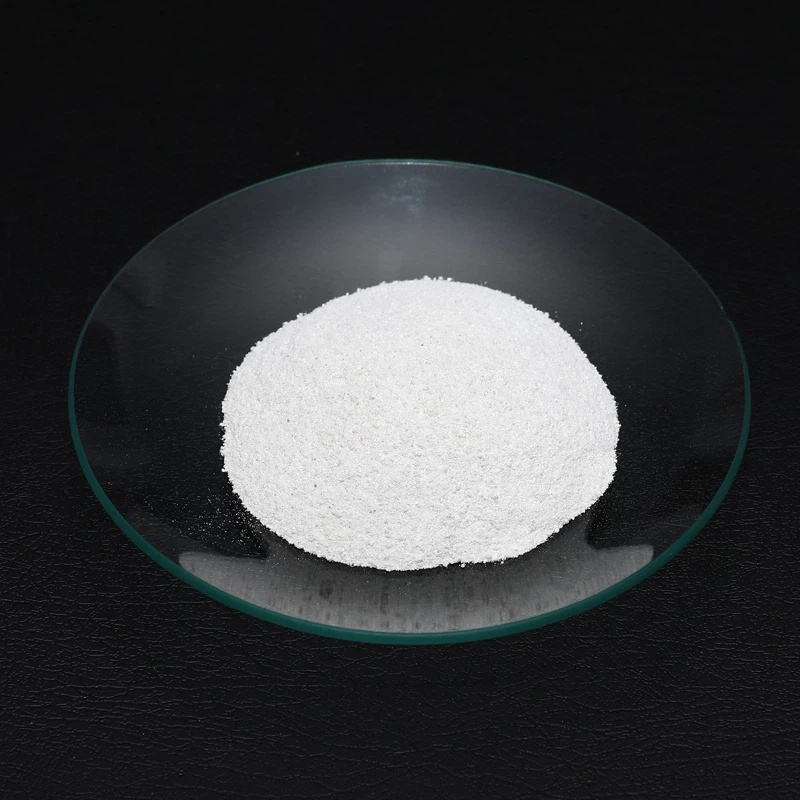
Good sources of vitamin E include nuts, seeds, vegetable oils, and leafy green vegetables. However, like vitamin C, it can be difficult to get enough vitamin E from diet alone. Taking a vitamin E supplement can help ensure that you are getting an adequate amount of this important antioxidant. Look for supplements that contain a combination of tocopherols and tocotrienols for optimal benefits.
Selenium
Selenium is a trace mineral that is essential for the proper functioning of the body. It is a component of several antioxidant enzymes, including glutathione peroxidase, which helps to protect cells from damage caused by free radicals. Selenium also plays a role in thyroid function, immune function, and DNA synthesis.
One of the key benefits of selenium is its ability to enhance the antioxidant activity of other nutrients, such as vitamin E. Selenium can also help to reduce the risk of certain types of cancer, including prostate cancer, lung cancer, and colorectal cancer. Good sources of selenium include Brazil nuts, seafood, meat, poultry, eggs, and whole grains. However, the selenium content of food can vary depending on the soil in which it is grown, so taking a selenium supplement may be beneficial, especially if you live in an area with low soil selenium levels.
Resveratrol
Resveratrol is a polyphenol antioxidant that is found in grapes, red wine, berries, and peanuts. It has been shown to have a variety of health benefits, including anti-inflammatory, anti-aging, and anti-cancer properties. Resveratrol works by activating a group of proteins called sirtuins, which are involved in regulating cell metabolism, aging, and stress response.
One of the most well-known benefits of resveratrol is its potential to mimic the effects of calorie restriction. Calorie restriction has been shown to extend lifespan and improve health in a variety of organisms, and resveratrol may have similar effects by activating sirtuins. Resveratrol has also been shown to improve cardiovascular health, reduce inflammation, and protect against neurodegenerative diseases.
While resveratrol is found in small amounts in certain foods, it can be difficult to get enough of this antioxidant from diet alone. Taking a resveratrol supplement can help ensure that you are getting an adequate amount of this powerful antioxidant. Look for supplements that contain high-quality, standardized extracts of resveratrol for optimal benefits.
Coenzyme Q10
Coenzyme Q10, also known as CoQ10, is a fat-soluble compound that is found in every cell in the body. It plays a crucial role in energy production, as it is involved in the electron transport chain, which is responsible for generating ATP, the body's main source of energy. CoQ10 is also a powerful antioxidant that can help protect cells from damage caused by free radicals.
As we age, our body's production of CoQ10 decreases, which can lead to a variety of health problems, including fatigue, muscle weakness, and heart disease. Taking a CoQ10 supplement can help to increase CoQ10 levels in the body and improve energy production and antioxidant protection. CoQ10 has also been shown to have a variety of other health benefits, including reducing the risk of heart disease, improving exercise performance, and protecting against neurodegenerative diseases.
Good sources of CoQ10 include organ meats, fatty fish, and whole grains. However, like other antioxidants, it can be difficult to get enough CoQ10 from diet alone. Taking a CoQ10 supplement can help ensure that you are getting an adequate amount of this important antioxidant. Look for supplements that contain ubiquinol, the reduced form of CoQ10, which is more easily absorbed by the body.
Our Antioxidant Products
As an antioxidant supplier, we offer a range of high-quality antioxidant supplements to meet the needs of our customers. Our products are formulated using the latest scientific research and are manufactured in state-of-the-art facilities to ensure purity, potency, and quality.
- Y Antioxidant: Our Y Antioxidant is a unique blend of vitamins, minerals, and phytochemicals that work together synergistically to provide comprehensive antioxidant protection. It contains high levels of vitamin C, vitamin E, selenium, and other powerful antioxidants to help neutralize free radicals and reduce oxidative stress.
- T Antioxidant: Our T Antioxidant is a specialized supplement that is designed to support cardiovascular health. It contains a combination of resveratrol, CoQ10, and other antioxidants that have been shown to improve blood flow, reduce inflammation, and protect against heart disease.
- C Antioxidant: Our C Antioxidant is a concentrated source of vitamin C, which is one of the most important antioxidants in the body. It is formulated using a patented technology that ensures maximum absorption and bioavailability, so you can get the most out of this powerful antioxidant.
Conclusion
Antioxidants play a crucial role in maintaining good health and preventing chronic diseases. By neutralizing free radicals and reducing oxidative stress, antioxidants can help protect cells from damage and promote overall well-being. While it is possible to get some antioxidants from diet alone, taking a high-quality antioxidant supplement can help ensure that you are getting an adequate amount of these important nutrients.
As an antioxidant supplier, we are committed to providing our customers with the highest quality antioxidant supplements available. Our products are backed by scientific research and are manufactured to the highest standards of quality and purity. If you are interested in learning more about our antioxidant products or would like to discuss your specific needs, please feel free to contact us. We look forward to helping you achieve optimal health and wellness.
References
- Ames, B. N., Shigenaga, M. K., & Hagen, T. M. (1993). Oxidants, antioxidants, and the degenerative diseases of aging. Proceedings of the National Academy of Sciences, 90(17), 7915-7922.
- Brigelius-Flohé, R., & Traber, M. G. (1999). Vitamin E: function and metabolism. FASEB Journal, 13(10), 1145-1155.
- Finkel, T., & Holbrook, N. J. (2000). Oxidants, oxidative stress and the biology of ageing. Nature, 408(6809), 239-247.
- Grundmann, O., & Nehring, R. (2015). Coenzyme Q10 in health and disease. De Gruyter.
- Prior, R. L., & Cao, G. (1999). Optimizing methods for measuring antioxidant capacity in human serum: a comparison of the oxygen radical absorbance capacity (ORAC) and the trolox equivalent antioxidant capacity (TEAC) assay methods. Journal of Agricultural and Food Chemistry, 47(10), 4619-4626.
- Rice-Evans, C. A., Miller, N. J., & Paganga, G. (1996). Structure-antioxidant activity relationships of flavonoids and phenolic acids. Free Radical Biology & Medicine, 20(7), 933-956.