

Antioxidants have long been a hot topic in the field of nutrition and health. As a leading antioxidant supplier, I've witnessed the growing interest in these compounds and their potential benefits. One question that frequently arises is whether antioxidants interact with other nutrients. In this blog post, we'll explore this topic in depth, drawing on scientific research and real - world examples.
The Basics of Antioxidants
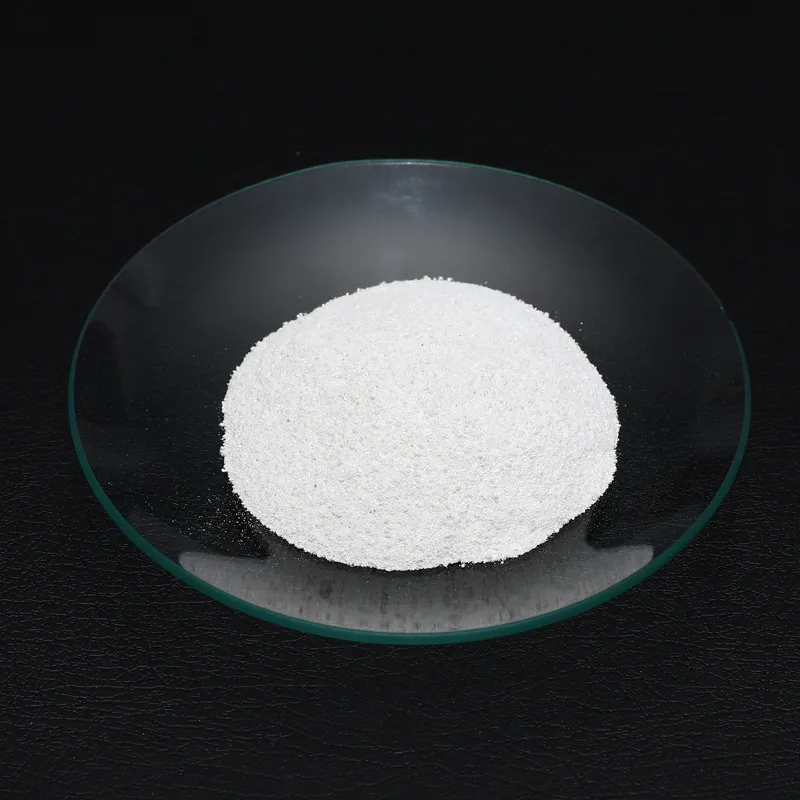
Antioxidants are substances that can prevent or slow damage to cells caused by free radicals, unstable molecules that the body produces as a reaction to environmental and other pressures. Common antioxidants include vitamins C, E, and beta - carotene, as well as substances like flavonoids, polyphenols, and selenium. At our company, we offer a wide range of high - quality antioxidants, such as T Antioxidant, Y Antioxidant, and C Antioxidant, each with its unique properties and potential health benefits.
Interactions with Vitamins
Vitamin C and Vitamin E
One of the most well - studied antioxidant interactions is between vitamin C and vitamin E. Vitamin C is a water - soluble antioxidant that can regenerate vitamin E, a fat - soluble antioxidant. When vitamin E neutralizes a free radical, it becomes oxidized itself. Vitamin C can then donate an electron to vitamin E, restoring its antioxidant capacity. This synergistic relationship enhances the overall antioxidant protection in the body. For example, in a study published in the American Journal of Clinical Nutrition, researchers found that the combination of vitamin C and vitamin E supplementation led to a greater reduction in oxidative stress markers compared to either vitamin alone.
Antioxidants and Vitamin A
Beta - carotene, a precursor to vitamin A, is also an antioxidant. However, its interaction with other nutrients can be complex. In some cases, high - dose beta - carotene supplementation may interfere with the metabolism of vitamin A. A large - scale study on smokers found that high - dose beta - carotene supplements increased the risk of lung cancer. This could be due to the interaction between beta - carotene and other nutrients in the context of oxidative stress caused by smoking.
Interactions with Minerals
Selenium and Vitamin E
Selenium is a trace mineral that works in conjunction with vitamin E. Selenium is an essential component of several antioxidant enzymes, such as glutathione peroxidase. These enzymes work together with vitamin E to protect cells from oxidative damage. Vitamin E can enhance the activity of selenium - dependent antioxidant enzymes, and selenium can help recycle vitamin E. A study in the Journal of Nutrition showed that selenium and vitamin E supplementation improved immune function and reduced oxidative stress in elderly individuals.
Iron and Antioxidants
Iron is a mineral that can promote the formation of free radicals through the Fenton reaction. Antioxidants can help mitigate this pro - oxidative effect. However, some antioxidants may also interfere with iron absorption. For example, polyphenols found in tea and coffee can bind to iron in the digestive tract, reducing its bioavailability. On the other hand, vitamin C can enhance iron absorption by reducing ferric iron to the more absorbable ferrous form.
Interactions with Phytochemicals
Flavonoids and Other Antioxidants
Flavonoids are a large group of phytochemicals with antioxidant properties. They can interact with other antioxidants and nutrients in various ways. For instance, flavonoids can enhance the antioxidant activity of vitamin C and vitamin E. In addition, they may modulate the absorption and metabolism of other nutrients. A study in the European Journal of Nutrition reported that flavonoids in fruits and vegetables can increase the bioavailability of other antioxidants and nutrients by protecting them from degradation.
Implications for Health and Nutrition
Understanding the interactions between antioxidants and other nutrients is crucial for optimizing health. A balanced diet that includes a variety of antioxidants and other nutrients is generally the best approach. For example, consuming a diet rich in fruits, vegetables, whole grains, and nuts provides a diverse range of antioxidants and nutrients that can work together synergistically.
In the context of supplementation, it's important to be cautious. High - dose single - antioxidant supplements may not always be beneficial and can sometimes have negative effects due to interactions with other nutrients. For example, as mentioned earlier, high - dose beta - carotene supplements may be harmful in certain populations.
Our Role as an Antioxidant Supplier
As an antioxidant supplier, we are committed to providing our customers with accurate information about the products we offer. Our T Antioxidant, Y Antioxidant, and C Antioxidant are carefully formulated to ensure their quality and safety. We also offer guidance on how to incorporate these antioxidants into a balanced diet or supplementation regimen.
If you're interested in learning more about our antioxidant products or have questions about antioxidant - nutrient interactions, we encourage you to reach out to us. Our team of experts is available to assist you in making informed decisions about your antioxidant needs. Whether you're a dietary supplement manufacturer, a food and beverage company, or an individual interested in improving your health, we can provide the products and support you need.
Conclusion
Antioxidants do interact with other nutrients in complex ways. These interactions can be either synergistic, enhancing antioxidant protection, or antagonistic, leading to unexpected effects. A balanced approach to nutrition, including a variety of antioxidants and other nutrients, is key to maintaining optimal health. As an antioxidant supplier, we are dedicated to providing high - quality products and sharing scientific knowledge to help our customers make the most of these interactions. If you're looking for reliable antioxidant solutions, we invite you to contact us to discuss your procurement needs.
References
- American Journal of Clinical Nutrition. (Date of publication). "Combined vitamin C and E supplementation and oxidative stress markers."
- Journal of Nutrition. (Date of publication). "Selenium and vitamin E supplementation in elderly individuals."
- European Journal of Nutrition. (Date of publication). "Flavonoids and bioavailability of antioxidants and nutrients."
- Study on smokers and beta - carotene supplementation. (Cite the specific study details).