

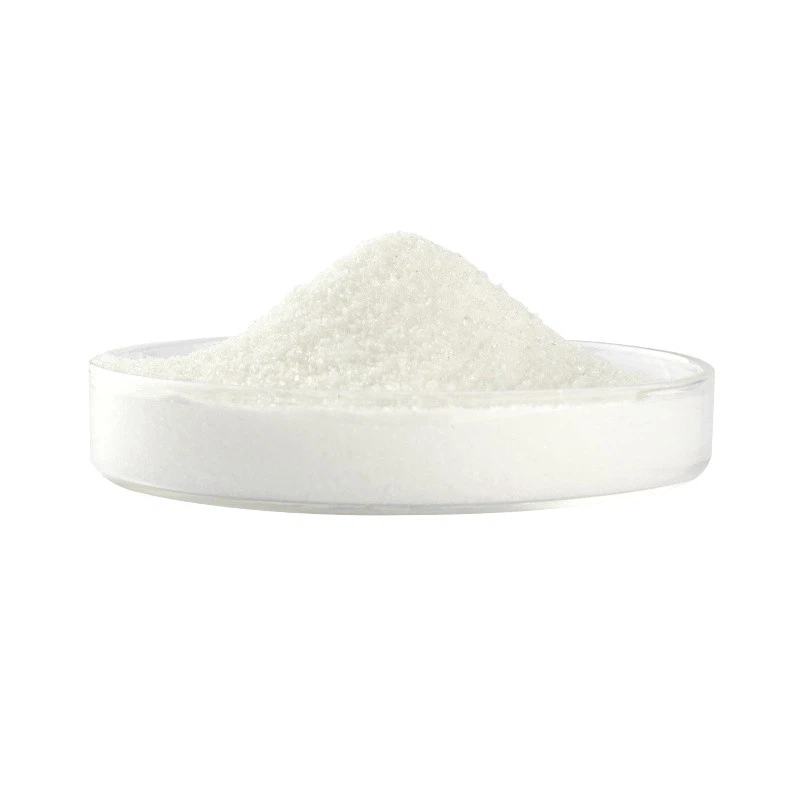
Betaine HCl, chemically known as trimethylglycine hydrochloride, is a compound that has gained significant attention in the fields of nutrition, medicine, and various industries. As a leading supplier of Betaine HCl, I've witnessed firsthand the growing interest in its properties and applications. One of the most compelling areas of research is how Betaine HCl affects the absorption of minerals. In this blog, I'll delve into the science behind this interaction and explore its implications for human health.

The Role of Stomach Acid in Mineral Absorption
Before we discuss the specific effects of Betaine HCl, it's essential to understand the role of stomach acid in mineral absorption. The stomach is a crucial organ in the digestive system, where the breakdown of food begins. Hydrochloric acid (HCl) is secreted by the parietal cells in the stomach lining, and it serves several important functions.
Firstly, HCl helps to denature proteins, making them more accessible to digestive enzymes. This is particularly important for the digestion of dietary proteins, which are a source of essential amino acids. Secondly, HCl activates pepsinogen, an inactive enzyme, into pepsin, which is responsible for breaking down proteins into smaller peptides. Thirdly, the acidic environment of the stomach helps to kill harmful bacteria and other pathogens that may be present in food.
In addition to these functions, stomach acid also plays a vital role in mineral absorption. Many minerals, such as calcium, iron, zinc, and magnesium, are present in food in complex forms that need to be broken down into their ionic forms before they can be absorbed by the body. The acidic environment of the stomach helps to dissolve these minerals and convert them into their soluble forms, which are more readily absorbed in the small intestine.
How Betaine HCl Affects Stomach Acid Production
Betaine HCl is often used as a supplement to increase stomach acid production. When taken orally, Betaine HCl dissociates in the stomach to release hydrochloric acid, which helps to increase the acidity of the stomach contents. This can be particularly beneficial for individuals who have low stomach acid levels, a condition known as hypochlorhydria.
Hypochlorhydria can have several causes, including aging, stress, certain medications, and underlying medical conditions. Symptoms of hypochlorhydria may include bloating, gas, indigestion, constipation, and nutrient deficiencies. By increasing stomach acid production, Betaine HCl can help to improve digestion and alleviate these symptoms.
Effects of Betaine HCl on Mineral Absorption
The increased stomach acid production caused by Betaine HCl can have a positive impact on mineral absorption. Here's how it affects the absorption of some key minerals:
Calcium
Calcium is an essential mineral for bone health, muscle function, and nerve transmission. However, calcium is often present in food in the form of calcium carbonate or calcium phosphate, which are relatively insoluble in water. The acidic environment of the stomach helps to dissolve these calcium salts and convert them into their ionic forms, which are more readily absorbed in the small intestine.
Studies have shown that Betaine HCl can improve calcium absorption in individuals with low stomach acid levels. By increasing the acidity of the stomach contents, Betaine HCl helps to dissolve calcium salts and enhance their bioavailability. This can be particularly important for postmenopausal women and older adults, who are at a higher risk of calcium deficiency and osteoporosis.
Iron
Iron is a crucial mineral for oxygen transport, energy production, and immune function. However, iron is present in food in two forms: heme iron, which is found in animal products, and non-heme iron, which is found in plant-based foods. Non-heme iron is less readily absorbed than heme iron, and its absorption can be affected by several factors, including the presence of other dietary components and the acidity of the stomach.
The acidic environment of the stomach helps to reduce ferric iron (Fe3+) to ferrous iron (Fe2+), which is the form of iron that is more readily absorbed by the body. Betaine HCl can increase the acidity of the stomach contents, thereby promoting the reduction of ferric iron to ferrous iron and enhancing non-heme iron absorption. This can be beneficial for individuals with iron deficiency anemia, especially those who follow a vegetarian or vegan diet.
Zinc
Zinc is an essential mineral for immune function, wound healing, and growth and development. Like iron, zinc is present in food in complex forms that need to be broken down into their ionic forms before they can be absorbed. The acidic environment of the stomach helps to dissolve zinc salts and convert them into their soluble forms, which are more readily absorbed in the small intestine.
Betaine HCl can improve zinc absorption by increasing the acidity of the stomach contents. This can be particularly important for individuals with low stomach acid levels, who may be at a higher risk of zinc deficiency. Zinc deficiency can have several negative effects on health, including impaired immune function, growth retardation, and skin problems.
Magnesium
Magnesium is involved in over 300 biochemical reactions in the body, including energy production, muscle contraction, and nerve transmission. However, magnesium absorption can be affected by several factors, including the presence of other dietary components and the acidity of the stomach.
The acidic environment of the stomach helps to dissolve magnesium salts and enhance their absorption. Betaine HCl can increase the acidity of the stomach contents, thereby promoting magnesium absorption. This can be beneficial for individuals with magnesium deficiency, which is relatively common, especially in older adults and those with certain medical conditions.
Other Benefits of Betaine HCl
In addition to its effects on mineral absorption, Betaine HCl has several other benefits. It can help to improve digestion by promoting the breakdown of proteins and other nutrients. This can lead to better nutrient absorption and fewer digestive problems, such as bloating, gas, and indigestion.
Betaine HCl can also have a positive impact on gut health. By increasing the acidity of the stomach, it can help to kill harmful bacteria and other pathogens that may be present in the digestive tract. This can help to prevent infections and maintain a healthy balance of gut flora.
Our Betaine HCl Products
As a supplier of Betaine HCl, we offer a range of high-quality products to meet the diverse needs of our customers. Our Cosmetics Betaine Hydrochloride is specifically formulated for use in the cosmetics industry, where it can be used as a pH adjuster and a moisturizing agent. Our Betaine Hydrochloride 98% is a high-purity product that is suitable for use in dietary supplements and other applications. And our Fermentation Grade Betaine Hydrochloride is designed for use in the fermentation industry, where it can be used as a nutrient source and a pH regulator.
Contact Us for Purchase and Negotiation
If you're interested in purchasing Betaine HCl for your business or personal use, we'd love to hear from you. Our team of experts can provide you with detailed information about our products, including their specifications, pricing, and delivery options. We're committed to providing our customers with the highest level of service and support, and we'll work closely with you to meet your specific needs.
Whether you're a manufacturer, a distributor, or an individual consumer, we're confident that our Betaine HCl products will meet your expectations. Contact us today to start a discussion about your requirements and explore the possibilities of working together.
References
- Barak, Y., & Halpern, Z. (2008). Betaine in human nutrition. The American Journal of Clinical Nutrition, 87(5), 1539S-1546S.
- Cordain, L., Eaton, S. B., Sebastian, A., Mann, N., Lindeberg, S., Watkins, B. A., ... & O'Keefe, J. H. (2005). Origins and evolution of the Western diet: health implications for the 21st century. The American Journal of Clinical Nutrition, 81(2), 341-354.
- Fordtran, J. S., & Locklear, T. D. (1966). Effect of pH on absorption of calcium, magnesium, iron, and zinc from the human small intestine. The Journal of Clinical Investigation, 45(6), 899-906.
- Hurrell, R. F., & Egli, I. (2010). Iron bioavailability and dietary reference values. The American Journal of Clinical Nutrition, 91(5), 1461S-1467S.
- King, J. C. (2011). Zinc and the immune system. The Proceedings of the Nutrition Society, 70(1), 100-108.
- Roman-Ramos, R., Flores-Saenz, J. L., & Alarcon-Aguilar, F. J. (2001). Traditional Mexican medicine and aging. The Journal of Alternative and Complementary Medicine, 7(5), 411-422.