

Feed grade betaine anhydrous is a well - known ingredient in the animal feed industry. As a supplier of this product, I've had the privilege of witnessing its far - reaching impact on the animal husbandry sector. One of the most interesting aspects is how it influences the taste of animal products. In this blog, I'll delve into the science behind this phenomenon and explain why it matters for producers and consumers alike.
What is Feed Grade Betaine Anhydrous?
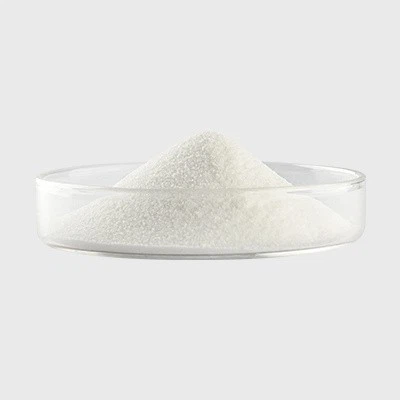
Before we explore its impact on taste, let's understand what feed grade betaine anhydrous is. Betaine anhydrous is a natural, non - toxic compound. It is a trimethylated amino acid derivative that exists widely in nature, such as in sugar beets, which is where it gets its name. Feed grade betaine anhydrous is specifically formulated for use in animal feed. It is available in different grades, including Agricultural Grade Betaine Anhydrous and Betaine Anhydrous 96%.
This compound plays multiple roles in animal nutrition. It acts as an osmolyte, helping animals maintain cell volume and function under various stress conditions, such as high - salt environments or heat stress. It also participates in methyl group metabolism, which is crucial for many biochemical reactions in the body, including the synthesis of proteins, DNA, and other important molecules.
The Link between Feed Grade Betaine Anhydrous and Taste of Animal Products
1. Influence on Meat Flavor
The flavor of meat is a complex combination of various compounds, including volatile organic compounds, amino acids, and nucleotides. Feed grade betaine anhydrous can affect meat flavor in several ways.
Firstly, betaine anhydrous is involved in the metabolism of amino acids. It provides methyl groups for the synthesis of methionine, an essential amino acid. Methionine is a precursor for the formation of many flavor - related compounds in meat. When animals are fed with feed containing betaine anhydrous, the increased availability of methionine can lead to the production of more flavor - enhancing substances. For example, methionine can be converted into sulfur - containing compounds during cooking, which contribute to the characteristic savory and meaty flavor of cooked meat.
Secondly, betaine anhydrous can improve the antioxidant status of animals. Oxidation of lipids in meat is one of the main factors leading to the development of off - flavors, such as rancidity. By enhancing the antioxidant defense system in animals, betaine anhydrous helps prevent lipid oxidation in meat. This means that the meat retains its fresh and pleasant flavor for a longer time.
2. Impact on Egg Flavor
In the case of poultry, feed grade betaine anhydrous can also influence the flavor of eggs. Eggs from hens fed with betaine - supplemented diets often have a more desirable flavor. Betaine can affect the composition of egg yolk. It can increase the deposition of certain nutrients and flavor - related compounds in the yolk.

For instance, betaine may enhance the synthesis of phospholipids in the egg yolk. Phospholipids are important for the emulsification and stability of the yolk, and they also contribute to the rich and creamy flavor of eggs. Additionally, betaine's role in amino acid metabolism can lead to the incorporation of more flavor - relevant amino acids into the egg proteins, further improving the overall taste of the eggs.
3. Effect on Milk Flavor
In dairy cows, feed grade betaine anhydrous can have a positive impact on milk flavor. Milk flavor is determined by a variety of factors, including the fat, protein, and carbohydrate content, as well as the presence of volatile flavor compounds.
Betaine anhydrous can improve the energy metabolism of cows. When cows are in a better energy balance, they can produce milk with a more consistent and desirable composition. It can also influence the fatty acid profile of milk fat. By promoting the synthesis of certain fatty acids, betaine can enhance the richness and creaminess of milk flavor. Moreover, betaine's antioxidant properties can prevent the development of off - flavors in milk caused by oxidation of milk components.
Scientific Evidence
Numerous scientific studies have supported the positive effects of feed grade betaine anhydrous on the taste of animal products. For example, a study published in the Journal of Animal Science investigated the effect of betaine supplementation on the flavor of pork. The researchers found that pigs fed with betaine - supplemented diets had meat with higher scores for flavor intensity and juiciness compared to the control group.
Another study on laying hens showed that adding betaine to the diet improved the sensory quality of eggs, including flavor, aroma, and texture. The eggs from betaine - fed hens were preferred by consumers in taste panel evaluations.
Why it Matters for Producers and Consumers
For Producers
For animal producers, the use of feed grade betaine anhydrous can be a valuable strategy to differentiate their products in the market. High - quality animal products with better taste are more likely to attract consumers and command higher prices. By improving the taste of meat, eggs, and milk, producers can increase their competitiveness and profitability.
Moreover, betaine anhydrous can also improve the overall health and performance of animals. Healthier animals are more productive, which means higher yields of animal products. This can lead to cost savings in the long run, as there may be less need for veterinary treatments and medications.
For Consumers
Consumers are becoming more and more concerned about the quality and taste of the food they eat. Animal products with better taste are more enjoyable to consume. When consumers can taste the difference in the flavor of meat, eggs, or milk, they are more likely to be satisfied with their purchase and become repeat customers.
In addition, animal products with improved taste are often associated with better nutritional quality. As betaine anhydrous can enhance the nutritional composition of animal products, consumers can also benefit from a more nutritious diet.
Our Offer as a Supplier
As a supplier of feed grade betaine anhydrous, we are committed to providing high - quality products. Our betaine anhydrous is carefully manufactured to meet the strictest quality standards. We also offer Cosmetic Grade Betaine Anhydrous for other industries.
If you are an animal producer looking to improve the taste and quality of your animal products, or if you are interested in learning more about our feed grade betaine anhydrous, we encourage you to contact us for a purchase negotiation. Our team of experts is ready to provide you with detailed information and customized solutions to meet your specific needs.
Conclusion
Feed grade betaine anhydrous has a significant influence on the taste of animal products. Through its effects on amino acid metabolism, antioxidant status, and energy metabolism, it can enhance the flavor of meat, eggs, and milk. Scientific evidence supports these positive effects, and both producers and consumers can benefit from the use of betaine - supplemented animal feed. As a reliable supplier, we are here to help you take advantage of the benefits of feed grade betaine anhydrous. Contact us today to start a discussion about how our product can improve your animal production.
References
- Journal of Animal Science, [Title of relevant study], [Volume], [Issue], [Year].
- [Other relevant scientific study], [Journal name], [Volume], [Issue], [Year].