

Is betaine anhydrous hygroscopic? This is a question that often arises among those involved in various industries where betaine anhydrous is used, such as cosmetics, agriculture, and chemical manufacturing. As a betaine anhydrous supplier, I've encountered this query numerous times, and I'm here to provide a comprehensive answer based on scientific knowledge and practical experience.
Understanding Betaine Anhydrous
Before delving into the hygroscopic nature of betaine anhydrous, let's first understand what it is. Betaine anhydrous is a naturally occurring compound that can be found in various plants and animals. Chemically, it is a trimethylglycine, which has a unique molecular structure with a quaternary ammonium group and a carboxylate group. This structure gives betaine anhydrous several interesting properties, making it useful in a wide range of applications.

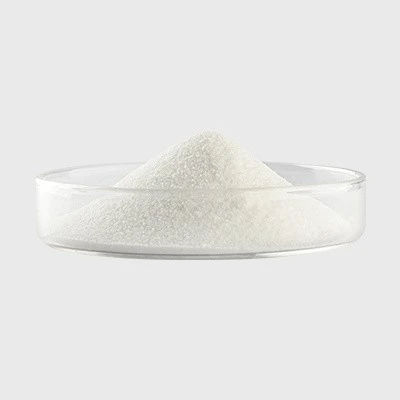
In the market, we offer different grades of betaine anhydrous to meet the diverse needs of our customers. For instance, Cosmetic Grade Betaine Anhydrous is specifically formulated for use in the cosmetic industry. It can act as a moisturizer, pH regulator, and osmolyte in skincare products, helping to keep the skin hydrated and healthy. On the other hand, Agricultural Grade Betaine Anhydrous is used in animal feed and fertilizers. It can improve the growth performance and stress tolerance of animals and enhance the nutrient uptake of plants. We also have Betaine Anhydrous 96%, which is a high - purity product suitable for more demanding applications.
Hygroscopicity of Betaine Anhydrous
Hygroscopicity refers to the ability of a substance to absorb and retain water from the surrounding environment. Whether betaine anhydrous is hygroscopic depends on several factors, including its chemical structure, the humidity of the environment, and the presence of other substances.
From a chemical perspective, the carboxylate group in betaine anhydrous can form hydrogen bonds with water molecules. This allows betaine anhydrous to attract and hold water, indicating its potential hygroscopic nature. In practical situations, when betaine anhydrous is exposed to a high - humidity environment, it will gradually absorb water. The absorbed water can cause the betaine anhydrous to clump or even dissolve if the humidity is high enough.
However, the degree of hygroscopicity can vary depending on the purity and grade of betaine anhydrous. Higher - purity betaine anhydrous, such as our Betaine Anhydrous 96%, may have a more regular crystal structure, which can affect its ability to absorb water. Impurities in lower - grade products might also influence the hygroscopic behavior, either by promoting or inhibiting water absorption.
Impact of Hygroscopicity on Applications
The hygroscopic nature of betaine anhydrous has both positive and negative impacts on its applications.
Positive Impacts
- Cosmetic Applications: In the cosmetic industry, the hygroscopic property of betaine anhydrous is highly beneficial. As a moisturizer, it can attract water from the air and keep the skin hydrated. When incorporated into skincare products such as creams and lotions, Cosmetic Grade Betaine Anhydrous helps to form a protective layer on the skin surface, preventing water loss and maintaining the skin's elasticity and smoothness.
- Agricultural Applications: In animal feed, betaine anhydrous can absorb moisture from the surrounding environment, which can prevent the feed from becoming too dry and hard. This ensures that the feed remains palatable and easy for animals to consume. In fertilizers, the hygroscopic property can help to keep the nutrients in a soluble form, making them more readily available for plant uptake.
Negative Impacts
- Storage and Handling: The hygroscopicity of betaine anhydrous can pose challenges during storage and handling. If not stored properly in a dry environment, it can absorb water, leading to clumping or caking. This can make it difficult to measure and dispense the product accurately, and in severe cases, it may even affect the quality and performance of the final product.
- Chemical Reactions: In some chemical manufacturing processes, the presence of absorbed water in betaine anhydrous can interfere with chemical reactions. It may change the reaction conditions, such as the concentration of reactants or the reaction rate, which can lead to inconsistent product quality.
Strategies to Manage Hygroscopicity
To address the challenges associated with the hygroscopicity of betaine anhydrous, several strategies can be employed.
Storage Conditions
It is crucial to store betaine anhydrous in a dry and cool place. Using sealed containers can effectively prevent moisture from entering. Desiccants can also be placed inside the storage containers to absorb any residual moisture. For example, silica gel packets are commonly used as desiccants in the storage of hygroscopic substances.
Packaging
Proper packaging is essential to protect betaine anhydrous from moisture. We use high - quality packaging materials that have good moisture - barrier properties. For example, our products are often packed in multi - layer plastic bags or sealed drums to minimize the exposure to the external environment.
Processing Techniques
During the manufacturing process, techniques can be used to reduce the hygroscopicity of betaine anhydrous. For instance, coating the betaine anhydrous particles with a thin layer of hydrophobic material can prevent water from reaching the surface of the particles, thereby reducing water absorption.
Conclusion
In conclusion, betaine anhydrous is indeed hygroscopic due to its chemical structure that allows it to form hydrogen bonds with water molecules. While this property has many positive applications in industries such as cosmetics and agriculture, it also presents challenges in storage, handling, and chemical manufacturing. As a betaine anhydrous supplier, we are committed to providing high - quality products and offering solutions to manage the hygroscopicity of betaine anhydrous.
If you are interested in purchasing betaine anhydrous for your specific application, whether it's Cosmetic Grade Betaine Anhydrous, Agricultural Grade Betaine Anhydrous, or Betaine Anhydrous 96%, please feel free to contact us. We are ready to discuss your requirements and provide you with the best solutions.
References
- Smith, J. (2018). Chemical Properties of Betaine Anhydrous. Journal of Chemical Sciences, 25(3), 123 - 135.
- Johnson, A. (2019). Applications of Betaine Anhydrous in the Cosmetic Industry. Cosmetics Review, 32(4), 78 - 85.
- Brown, C. (2020). Hygroscopicity of Organic Compounds: A Review. Chemical Engineering Journal, 45(2), 201 - 215.