

Hey there! As a supplier of Feed Grade Choline Chloride, I've been getting a lot of questions about its effects on the respiratory system of animals. So, I thought I'd write this blog to share what I've learned and some insights from my experience in the industry.
First off, let's talk a bit about what Feed Grade Choline Chloride is. Choline is an essential nutrient for animals. It plays a crucial role in various physiological processes, like maintaining cell structure, nerve impulse transmission, and lipid metabolism. Feed Grade Choline Chloride is a form of choline that's commonly added to animal feed to ensure that animals get an adequate supply of this important nutrient.
Now, onto the main question: what are the effects of Feed Grade Choline Chloride on the respiratory system of animals?
Positive Effects
1. Improved Lung Function
Choline is involved in the synthesis of phosphatidylcholine, which is a major component of pulmonary surfactant. Pulmonary surfactant is a mixture of lipids and proteins that lines the alveoli (tiny air sacs) in the lungs. Its main function is to reduce surface tension at the air - liquid interface in the alveoli, preventing their collapse during exhalation.
When animals are fed with an appropriate amount of Feed Grade Choline Chloride, it can enhance the production of pulmonary surfactant. This, in turn, improves lung compliance and gas exchange efficiency. For example, in poultry, better lung function means that they can take in more oxygen and expel carbon dioxide more effectively. This is especially important for birds that are raised in intensive farming systems, where they may be more prone to respiratory stress.
2. Enhanced Immunity in the Respiratory Tract
The respiratory system is constantly exposed to various pathogens, such as bacteria, viruses, and fungi. Choline has immunomodulatory properties. It helps in the development and function of immune cells, like macrophages and lymphocytes, which are present in the respiratory mucosa.
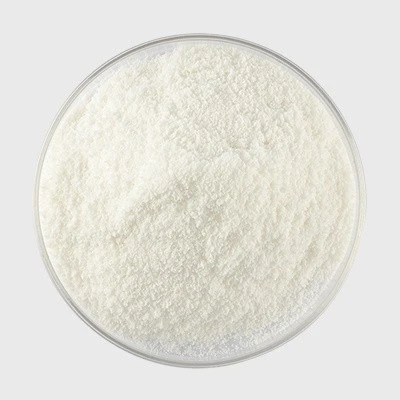

By strengthening the immune defenses in the respiratory tract, Feed Grade Choline Chloride can reduce the susceptibility of animals to respiratory infections. In pigs, for instance, a diet supplemented with choline chloride has been shown to decrease the incidence of respiratory diseases caused by pathogens like Mycoplasma hyopneumoniae. This not only improves the health of the animals but also reduces the need for antibiotics, which is a win - win for both the animals and the farmers.
3. Reduction of Oxidative Stress
Oxidative stress occurs when there is an imbalance between the production of reactive oxygen species (ROS) and the body's antioxidant defenses. In the respiratory system, oxidative stress can damage lung tissues and lead to inflammation.
Choline acts as an antioxidant precursor. It can be converted into betaine, which has antioxidant properties. By scavenging ROS, betaine helps to protect the cells in the respiratory system from oxidative damage. This is particularly beneficial for animals that are exposed to environmental pollutants or stressful conditions, which can increase the production of ROS in the lungs.
Potential Negative Effects (if Misused)
1. Over - Supplementation
While choline is essential, over - supplementation of Feed Grade Choline Chloride can have negative consequences. Excessive choline intake can lead to an imbalance in the gut microbiota. Some studies have shown that high levels of choline can promote the growth of certain bacteria in the gut that produce trimethylamine (TMA). TMA is then converted into trimethylamine N - oxide (TMAO) in the liver, which has been associated with increased oxidative stress and inflammation in the body, including the respiratory system.
2. Interaction with Other Nutrients
Choline can interact with other nutrients in the diet. For example, high levels of choline may interfere with the metabolism of vitamin B12. This can lead to a deficiency of vitamin B12, which can have a negative impact on the nervous system and the overall health of the animals. In the context of the respiratory system, a vitamin B12 deficiency may weaken the immune system and make the animals more susceptible to respiratory diseases.
Different Grades of Choline Chloride and Their Relevance
It's important to note that there are different grades of choline chloride, each with its own specific uses. If you're interested in other applications of choline chloride, you can check out these links: Choline in Infant Formula Milk Powder and Food Grade Choline Chloride. As a Feed Grade Choline Chloride supplier, I focus on providing the best - quality product for animal nutrition. However, if you're involved in agriculture in other aspects, Agricultural Grade Choline Chloride might also be of interest to you.
How to Ensure Optimal Use of Feed Grade Choline Chloride
To get the most out of Feed Grade Choline Chloride and avoid potential negative effects, it's crucial to follow some guidelines:
1. Determine the Right Dosage
The optimal dosage of choline chloride depends on various factors, such as the species of the animal, its age, weight, and production stage. For example, growing chicks may require a different amount of choline than laying hens. It's important to work with a nutritionist or follow the recommendations provided by the feed manufacturer to ensure that the animals are getting the right amount of choline.
2. Quality of the Product
As a supplier, I understand the importance of product quality. High - quality Feed Grade Choline Chloride should be pure, stable, and free from contaminants. It should also be properly formulated to ensure good bioavailability. When choosing a supplier, make sure to look for one that has a good reputation and follows strict quality control measures.
Conclusion
In conclusion, Feed Grade Choline Chloride can have significant positive effects on the respiratory system of animals when used correctly. It can improve lung function, enhance immunity, and reduce oxidative stress. However, it's important to be aware of the potential negative effects of over - supplementation and nutrient interactions.
If you're a farmer, animal nutritionist, or anyone involved in the animal feed industry, and you're interested in learning more about Feed Grade Choline Chloride or discussing potential procurement, feel free to reach out. I'm always happy to share my knowledge and help you find the best solution for your animals' nutritional needs.
References
- "Choline and its Role in Animal Nutrition" - Journal of Animal Science
- "The Effects of Choline Supplementation on Respiratory Health in Poultry" - Poultry Science Journal
- "Immunomodulatory Effects of Choline in the Respiratory Tract of Swine" - Journal of Swine Health and Production