

Choline chloride is a water - soluble vitamin - like essential nutrient that plays a crucial role in various physiological processes. In recent years, it has gained significant attention in the sports field due to its potential benefits for athletes. As a reliable choline chloride supplier, I am eager to explore the topic of the optimal dosage of choline chloride for sports use.
The Role of Choline Chloride in the Body
Choline chloride is involved in multiple important functions within the human body. Firstly, it is a key component of cell membranes. Phosphatidylcholine, a major phospholipid in cell membranes, is synthesized from choline. This helps maintain the integrity and fluidity of cells, which is vital for proper cellular function, including nutrient uptake and waste removal.
Secondly, choline is essential for the synthesis of acetylcholine, a neurotransmitter involved in muscle contraction, memory, and learning. Adequate levels of acetylcholine are necessary for efficient nerve - muscle communication, which is particularly important for athletes during high - intensity physical activities.
In addition, choline participates in the metabolism of homocysteine. High levels of homocysteine in the blood are associated with an increased risk of cardiovascular diseases. By helping to convert homocysteine into other beneficial compounds, choline chloride can contribute to maintaining a healthy cardiovascular system, which is a significant advantage for athletes.
Benefits of Choline Chloride for Sports Performance
- Improved Muscle Function
- As mentioned earlier, acetylcholine is essential for muscle contraction. Supplementing with choline chloride can ensure an adequate supply of acetylcholine, leading to more efficient muscle contractions. This can result in increased strength, power, and endurance during sports activities. For example, in strength - training exercises, athletes may be able to lift heavier weights or perform more repetitions with better form.
- Enhanced Cognitive Function
- The brain also relies on acetylcholine for optimal function. During sports, athletes need to make quick decisions, react to stimuli, and maintain focus. Choline chloride supplementation can support cognitive function, allowing athletes to stay mentally sharp during competitions. This is especially important in sports that require high - level strategic thinking, such as basketball or tennis.
- Reduced Fatigue
- Choline is involved in energy metabolism. It helps in the transportation of fatty acids into the mitochondria, where they are oxidized to produce energy. By improving energy production, choline chloride can delay the onset of fatigue during prolonged physical activities. Athletes may be able to train or compete for longer periods without feeling overly tired.
Determining the Optimal Dosage
The optimal dosage of choline chloride for sports use can vary depending on several factors.
- Age and Gender
- Generally, adult males may require a slightly higher dosage of choline chloride than adult females. According to the Institute of Medicine, the adequate intake (AI) of choline for adult men is 550 mg per day, while for adult women, it is 425 mg per day. However, these are general recommendations for overall health and may need to be adjusted for athletes.
- Older athletes may also have different requirements. As the body ages, the ability to absorb and utilize nutrients may decline. Therefore, older athletes may need a slightly higher dosage to achieve the same benefits as younger ones.
- Sport Type and Intensity
- Athletes engaged in high - intensity, endurance - based sports such as long - distance running, cycling, or triathlons may benefit from higher dosages of choline chloride. These sports place significant demands on the body's energy systems and cognitive function. A dosage in the range of 600 - 1000 mg per day may be appropriate for such athletes.
- On the other hand, athletes involved in short - burst, power - based sports like sprinting or weightlifting may require a relatively lower dosage. A dosage of 400 - 600 mg per day may be sufficient to support muscle function and cognitive performance during these activities.
- Dietary Intake
- If an athlete's diet is rich in choline - containing foods such as eggs, liver, and soybeans, they may need a lower dosage of choline chloride supplementation. Conversely, if their diet is low in choline, a higher supplementary dosage may be necessary to reach the optimal level.
Our Choline Chloride Products
We offer a variety of choline chloride products to meet different needs.
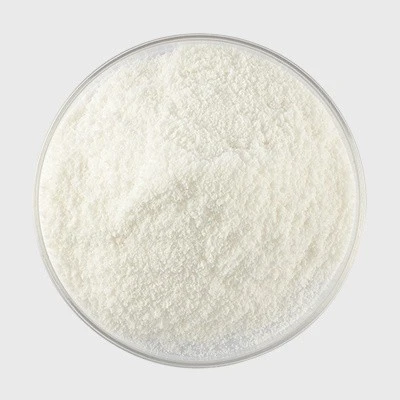

- Agricultural Grade Choline Chloride
- This grade of choline chloride is mainly used in the agricultural industry. It can be added to animal feed to improve the growth and health of livestock and poultry. Although it is not directly for human sports use, it shows our expertise in choline chloride production and quality control.
- Food Grade Choline Chloride
- Our food - grade choline chloride is suitable for human consumption. It meets strict food safety standards and can be used in food supplements for athletes. The high - quality ingredients ensure that athletes can safely and effectively supplement their choline intake.
- Feed Grade Choline Chloride
- Similar to agricultural - grade choline chloride, feed - grade choline chloride is used in animal feed. However, it also reflects our ability to produce choline chloride with consistent quality and purity, which is an important factor in all our products.
How to Use Choline Chloride for Sports
When using choline chloride for sports, it is important to follow some guidelines.
- Start with a Low Dosage
- It is recommended to start with a lower dosage, such as 400 mg per day, and gradually increase it based on individual response. This allows the body to adapt to the supplement and reduces the risk of potential side effects.
- Timing of Supplementation
- Taking choline chloride before a workout can help enhance performance during the activity. It can also be taken with meals to improve absorption. For athletes with long - duration training sessions, a split - dose approach (taking a portion before the workout and another portion during or after) may be beneficial.
- Combination with Other Nutrients
- Choline chloride can be combined with other sports - related nutrients such as caffeine, creatine, and beta - alanine. These combinations may have synergistic effects, further improving sports performance. However, it is important to consult a sports nutritionist or healthcare professional before combining multiple supplements.
Safety and Side Effects
Choline chloride is generally considered safe when taken within the recommended dosage range. However, some individuals may experience side effects, especially at high dosages.
- Gastrointestinal Issues
- High doses of choline chloride may cause gastrointestinal discomfort, such as nausea, vomiting, and diarrhea. These side effects are usually mild and can be reduced by adjusting the dosage or taking the supplement with food.
- Fishy Body Odor
- In some cases, excessive choline intake can lead to a fishy body odor. This is due to the breakdown of choline into trimethylamine, which has a characteristic fishy smell. Reducing the dosage can usually resolve this issue.
Conclusion
Determining the optimal dosage of choline chloride for sports use is a complex process that depends on multiple factors such as age, gender, sport type, and dietary intake. As a choline chloride supplier, we are committed to providing high - quality products that can support athletes' performance. Whether you are an athlete looking to improve your performance or a sports nutritionist seeking reliable supplements, we can offer the right choline chloride solution for you. If you are interested in our choline chloride products for sports use, please feel free to contact us for more information and to discuss your specific needs.
References
- Institute of Medicine. Dietary Reference Intakes for Thiamin, Riboflavin, Niacin, Vitamin B6, Folate, Vitamin B12, Pantothenic Acid, Biotin, and Choline. Washington, DC: The National Academies Press; 1998.
- Blusztajn, J. K. (1998). Choline and human nutrition. Annual review of nutrition, 18(1), 293 - 321.
- Zeisel, S. H., & da Costa, K. A. (2009). Choline: an essential nutrient for public health. Nutrition reviews, 67(11), 615 - 623.