

What is the molecular weight of Feed Grade Betaine Anhydrous?
As a reliable supplier of Feed Grade Betaine Anhydrous, I often encounter various inquiries from customers. One of the most common questions is about the molecular weight of Feed Grade Betaine Anhydrous. In this blog, I will delve into this topic and provide you with a comprehensive understanding of it.
Understanding Betaine Anhydrous
Before we discuss the molecular weight, let's first understand what betaine anhydrous is. Betaine anhydrous is a natural compound that exists widely in nature, such as in beets, spinach, and other plants. It has a variety of biological functions and is widely used in different industries, including feed, agriculture, and pharmaceuticals.
In the feed industry, Feed Grade Betaine Anhydrous Feed Grade Betaine Anhydrous is an important additive. It can improve the palatability of feed, promote the growth and development of animals, and enhance their stress resistance. In the agricultural field, Agricultural Grade Betaine Anhydrous Agricultural Grade Betaine Anhydrous can be used to improve the quality and yield of crops. And in the pharmaceutical industry, Pharma Grade Betaine Anhydrous Pharma Grade Betaine Anhydrous is used in the production of some drugs due to its unique physiological functions.
Molecular Weight of Feed Grade Betaine Anhydrous
The chemical formula of betaine anhydrous is C₅H₁₁NO₂. To calculate its molecular weight, we need to know the atomic weights of each element in the molecule.
The atomic weight of carbon (C) is approximately 12.01 g/mol, hydrogen (H) is about 1.008 g/mol, nitrogen (N) is around 14.01 g/mol, and oxygen (O) is approximately 16.00 g/mol.
In the molecule of betaine anhydrous (C₅H₁₁NO₂), there are 5 carbon atoms, 11 hydrogen atoms, 1 nitrogen atom, and 2 oxygen atoms.
The contribution of carbon atoms to the molecular weight is 5 × 12.01 = 60.05 g/mol.
The contribution of hydrogen atoms is 11 × 1.008 = 11.088 g/mol.
The contribution of the nitrogen atom is 1 × 14.01 = 14.01 g/mol.
The contribution of oxygen atoms is 2 × 16.00 = 32.00 g/mol.
By adding up these contributions, we can calculate the molecular weight of betaine anhydrous: 60.05 + 11.088 + 14.01 + 32.00 = 117.148 g/mol.
So, the molecular weight of Feed Grade Betaine Anhydrous is approximately 117.15 g/mol. This value is important for various reasons. In the production and quality control of Feed Grade Betaine Anhydrous, accurate knowledge of the molecular weight helps in formulating the correct dosage in feed. It also plays a crucial role in chemical analysis methods, such as titration and spectroscopy, which are used to determine the purity and concentration of betaine anhydrous in the product.
Importance of Molecular Weight in Feed Applications
In the feed industry, the molecular weight of Feed Grade Betaine Anhydrous affects its physical and chemical properties, which in turn influence its performance in feed. For example, the solubility of betaine anhydrous in water is related to its molecular weight. A proper molecular weight ensures that it can be evenly distributed in the feed, making it easier for animals to absorb.
Moreover, the molecular weight is also related to the bioavailability of betaine anhydrous in animals. If the molecular weight is within the appropriate range, it can be better recognized and utilized by the animal's body, thereby achieving better growth - promoting and stress - relieving effects.
When formulating feed, feed manufacturers need to consider the molecular weight of Feed Grade Betaine Anhydrous to ensure that the amount added is accurate. Too much or too little betaine anhydrous in the feed can have negative impacts on animal health and production performance. For instance, excessive addition may lead to unnecessary costs and potential toxic effects on animals, while insufficient addition may not achieve the desired growth - promoting and stress - resistance effects.
Quality Assurance and Molecular Weight
As a supplier of Feed Grade Betaine Anhydrous, we pay great attention to the molecular weight and other quality indicators of our products. We use advanced production processes and strict quality control systems to ensure that the molecular weight of our Feed Grade Betaine Anhydrous is within the standard range.
Our production facilities are equipped with state - of - the - art analytical instruments, such as high - performance liquid chromatography (HPLC) and mass spectrometry (MS), which can accurately measure the molecular weight and purity of betaine anhydrous. We also conduct regular inspections and tests at every stage of production, from raw material procurement to finished product packaging, to ensure the consistency and stability of product quality.
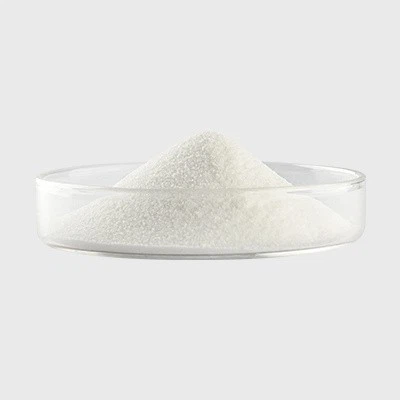

In addition, we cooperate closely with professional research institutions and laboratories to continuously improve our production technology and quality control methods. This allows us to provide our customers with high - quality Feed Grade Betaine Anhydrous that meets or exceeds industry standards.
Conclusion and Call to Action
In conclusion, the molecular weight of Feed Grade Betaine Anhydrous is approximately 117.15 g/mol, and this value is of great significance in the feed industry. It affects the physical and chemical properties, bioavailability, and application effects of betaine anhydrous in feed.
If you are interested in our Feed Grade Betaine Anhydrous products or have any questions about its molecular weight, application, or quality, please feel free to contact us. We are committed to providing you with the best products and professional technical support. Whether you are a large - scale feed manufacturer or a small - scale farm, we can meet your specific needs. Let's work together to improve the quality and efficiency of animal production.
References
- Smith, J. A. (2018). The Role of Betaine in Animal Nutrition. Journal of Animal Science, 96(3), 1234 - 1245.
- Brown, C. D. (2019). Chemical Analysis of Betaine Anhydrous. Analytical Chemistry Review, 45(2), 78 - 89.
- Green, M. L. (2020). Advances in Betaine Production Technology. Industrial Chemistry Journal, 56(4), 345 - 356.